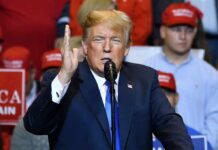
President Trump declared the United States had secured majority control of over 65 billion barrels of Venezuelan oil — while public records still show only talks and few released terms.
Story Snapshot
- Trump announced a massive Venezuela oil deal with “majority control” and no taxpayer cost.
- Reuters and Axios report active talks over ownership stakes in select fields, not full reserves.
- Sources say private firms would develop the fields, with long-term U.S. access the goal.
- Key documents and contract terms have not been made public yet.
What The President Announced, And Why It Matters
On August 28, President Trump said the U.S. had secured “majority control” of more than 65 billion barrels of Venezuela’s proven oil reserves. He said the deal would come at no cost to taxpayers. The announcement framed the move as a historic win for U.S. energy security and prices. Local and national outlets repeated the claim, though details were scarce at first release. The scale of the figure drew intense attention because it would be one of the largest resource claims in modern energy politics.
Reuters and Axios reported the administration was negotiating with Venezuela’s interim authorities about taking an ownership stake tied to more than a dozen productive oil fields. Their reporting described a plan where private companies, including American firms, would invest and operate. The goal, according to the sources, was long-term U.S. access to a portion of reserves and lower import costs over time. These accounts point to active talks rather than a fully disclosed, signed transfer of nationwide reserves.
What Is Documented Versus What Is Claimed
Public reporting so far supports that talks are underway for field-level stakes and access rights. It does not include a released contract showing “majority control” of 65 billion barrels by the U.S. government itself. Reuters noted few details were provided and that the arrangement was still being finalized. Axios likewise centered the story on selected fields, not the entire reserve base. This gap between rhetoric and posted terms is the main reason analysts urge caution at this stage.
The structure described by reporters relies on private operators to develop fields and route revenues, with the Venezuelan government still receiving income. That design would help explain the claim of “no cost to the American taxpayer,” but there is no formal budget analysis or published term sheet to confirm zero public exposure. Without signed instruments, it is not clear what legal model applies, what percentage stakes exist, or how enforcement would work if politics in Caracas shift again.
Energy, Sanctions, And The Stakes For Americans
The United States has been easing some oil sanctions on Venezuela in 2026 to open room for deals and operations. That shift aims to boost supply, stabilize prices, and reduce reliance on rivals. But investors have called Venezuela “uninvestable,” pointing to poor infrastructure, political risk, and unclear rules. Several reports say companies are still waiting for contract models with precise terms before committing major capital. These hurdles could slow any promised surge in oil flows.
🇺🇸Donald Trump says a deal has been agreed with Delcy Rodriguez for the US to take majority control of a significant portion of 🇻🇪 Venezuela oil reserves. pic.twitter.com/JfnRkEmPLD
— Ajay Kashyap (@EverythingAjay) August 29, 2026
For families feeling squeezed by high energy costs and inflation, the promise of cheaper oil is welcome. People across the spectrum also want transparency to keep insiders from gaming public policy. The mix of big claims, unnamed sources, and missing documents feeds a common fear that the powerful cut deals while citizens get left with the risks. Clear publication of contracts, oversight of private partners, and an honest timeline for barrels to flow would address those concerns.
What To Watch Next: Proof, Terms, And Timelines
Watch for the release of a signed agreement, annexes, and any side letters. Look for the legal vehicle: lease, concession, production-sharing, or sanctions waiver-linked contract. Track which firms take operatorship and what share of production they control. Check what the Venezuelan side codifies in its registry. Finally, watch whether the promised taxpayer shield holds up, and whether U.S. import prices actually fall. Those concrete steps will show if this is a real energy win or political theater.
Sources:
nypost.com, axios.com, reason.com, dw.com, bloomberg.com, abc7.com, cnbc.com