A massive wall of mud and rock crashed into a river on the Nepal-China border, killing scores of people and leaving hundreds of tourists missing in one of the deadliest Himalayan floods in years.
Story Snapshot
- A glacier collapse sent floodwaters through the Nepal-Tibet border region on August 26, killing at least 95 to 98 people, according to Reuters.
- Hundreds of tourists remain unaccounted for, along with local residents and workers near project sites.
- Officials suspect an earthquake triggered the collapse, which then set off catastrophic flooding downstream.
- The disaster fits a growing pattern of deadly glacial floods that have repeatedly struck this same border area.
Wall of Mud Slams Into Border Villages
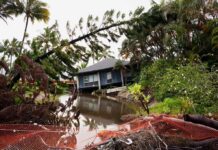
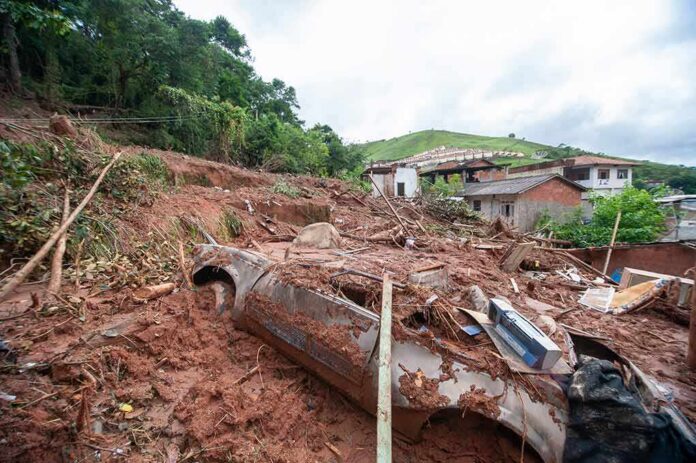
A huge wall of mud and rock broke loose and fell into a river along the Himalayan border between Nepal and China’s Tibet region on August 26. The collapse triggered catastrophic flooding on the Nepali side, sweeping away villages and project sites near the border crossing. Surveillance video showed people fleeing seconds before the mudslide hit the crossing point, giving almost no warning to those in its path.
Reuters reported at least 95 people killed, with officials later raising the toll to 98 as search crews worked through debris fields. China’s state broadcaster also reported casualties on the Tibetan side, showing the disaster struck both countries at once. The death count is likely to keep changing as rescue teams reach areas cut off by damaged roads and bridges.
Officials Point to Glacier Collapse and Possible Earthquake
Investigators believe an earthquake shook the region and triggered part of a glacier to collapse into the Lhende Khola river in Nepal, setting off the flood. Nepal’s National Disaster Risk Reduction and Management Authority later said it tentatively linked the disaster to the rupture of a Tibetan glacier lake, a process known as a glacial lake outburst flood. The agency’s director said officials still could not confirm exact casualty numbers as search work continued.
This event follows a similar flood in July 2026, when a supraglacial lake drained in Tibet and sent water surging into Nepal’s Bhote Koshi River, killing at least nine people and leaving dozens missing. That earlier flood also swept away a bridge and vehicles near the same border crossing, showing how often this stretch of river has been hit in recent months.
Search Continues for Missing Tourists
Hundreds of tourists remain missing after the flood struck popular travel routes near the border. Rescue teams from Nepal’s army and police have been searching river banks and damaged buildings for survivors. Reports on social media have named specific missing travelers, including a group of Canadians, showing the disaster’s reach beyond Nepal and China alone.
More than 360 killed and over 1,400 missing in devastating flash floods on Nepal-China border https://t.co/vMXxdjDack
— TVI Today (@TVIToday) August 27, 2026
Local officials in Rasuwa district, where much of the damage occurred, said the flood struck the main market area around 9 a.m. local time, catching residents and shop owners off guard. Hydropower projects and market buildings in Syabrubesi and Timure suffered heavy damage, cutting off power and supply routes for nearby communities.
A Recurring Threat Across the Himalayas
This flood fits a well-documented pattern in the region. Scientists at the International Centre for Integrated Mountain Development have tracked more than 25,000 glacial lakes across the Hindu Kush Himalaya, with dozens flagged as dangerous in the exact river basins where Nepal, Tibet, and India meet. Researchers have warned for years that warming temperatures are speeding up glacier melt, raising the odds of sudden, deadly floods like this one.
Despite years of study identifying these glacial lakes as high-risk, no early warning system caught this flood before it hit. That gap raises hard questions for both governments about whether known hazards are being tracked closely enough to protect people living downstream, a concern shared by residents on both sides of the border who now face the task of rebuilding.
30 Canadians missing after flash floods in Nepal and China, officials say https://t.co/slcoEa036P
— CTV News (@CTVNews) August 27, 2026
Sources:
youtube.com, reuters.com, x.com, myrepublica.nagariknetwork.com, kathmandupost.com, newindianexpress.com