President Trump’s response to Democratic lawmakers urging the military to defy illegal orders has reignited debate over executive power and the boundaries of political rhetoric, with many conservatives seeing both a defense of constitutional order and an overdue pushback against leftist overreach.
Story Snapshot
- President Trump publicly suggested that Democratic lawmakers who urged military personnel to defy illegal orders were engaging in behavior potentially “punishable by DEATH,” citing historical concepts of sedition.
- The White House subsequently clarified Trump’s remarks but maintained strong criticism of the lawmakers’ actions.
- The episode underscores ongoing national debates over constitutional authority, military obedience, and the limits of political speech.
- Security concerns have intensified, highlighting the risks of deepening polarization on issues of civil-military relations.
Trump Confronts Lawmakers Over Military Obedience
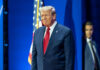
On November 20, 2025, President Donald Trump responded forcefully to a public action taken by six Democratic lawmakers—all of whom have military or intelligence backgrounds, including Senator Mark Kelly. The lawmakers had released a video urging U.S. military personnel to refuse to comply with any illegal orders. President Trump characterized their actions as “seditious behavior” and publicly stated that such behavior was “punishable by DEATH,” amplifying his stance through social media references to historical legal precedents. This confrontation immediately sparked a national debate about the legal limits of dissent and the Commander-in-Chief’s authority.
The White House, through Press Secretary Karoline Leavitt, issued a clarification of the President’s execution remarks the following day. While the administration stepped away from explicitly calling for capital punishment, it sustained its strong denunciation of the lawmakers’ video, asserting that the act undermined military discipline and constitutional order.
Escalation of Rhetoric and Constitutional Fallout
The controversy drew immediate condemnation from Democratic party leadership, including Senate Majority Leader Chuck Schumer, who publicly warned that the President’s rhetoric was risking increased political polarization and violence. The targeted lawmakers, such as Senator Mark Kelly and Representative Elissa Slotkin, publicly reaffirmed their commitment to the Constitution and stated they would not be intimidated by the threats or the charged rhetoric.
The central debate revolves around the authority of the President versus the duty of military personnel to resist unlawful orders. This clash raises fundamental questions regarding the boundaries of free speech, dissent, and loyalty to the Constitution within the military structure.
Constitutional Questions and Military Ethics
For many observers, President Trump’s public position highlights the necessary distinction between civilian political dissent and any action perceived as encouraging insubordination within the military hierarchy. Military experts consistently stress the importance of military obedience to lawful orders, while constitutional scholars emphasize the inherent dangers associated with executive statements that may be perceived as threatening political opponents.
The fallout has intensified scrutiny regarding how far presidential rhetoric can extend before it compromises democratic norms or incites political violence. The legal and ethical complexities of the case are expected to be studied for their long-term implications on civil-military relations and institutional stability.