Russia opened a three-day vote to fill all 450 seats in its national parliament, locking in a schedule set by the Kremlin and its election commission.
Story Snapshot
- Voting runs September 18–20 to elect 450 State Duma lawmakers.
- The Central Election Commission approved the three-day format in June.
- President Vladimir Putin urged citizens to vote in a national address.
- Polling places first opened in Russia’s Far East regions on Friday.
What Is Happening and When
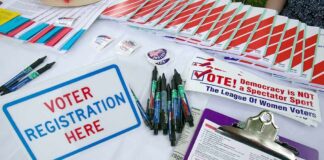
Russia began parliamentary voting on Friday, September 18, starting a three-day process to choose the 450 members of the State Duma, the lower house of parliament. Authorities planned the schedule months in advance. An executive order set the election date, and the Central Election Commission later structured it across three days. State media reported that the first polling places opened in the Kamchatka Territory and the Chukotka Autonomous Region because of time zones in the Far East.
The Central Election Commission said on June 17 that members voted to approve a three-day voting window for the Duma and other concurrent contests. The chair said the measure passed with fourteen in favor and one abstention. The format mirrors recent national votes that spread balloting across a long weekend. Officials say that approach aims to improve access for voters across the country’s vast distances and time zones, and to manage heavy traffic at polling places.
How the Vote Is Structured
Russians are choosing 450 lawmakers using a mixed system. Half the seats come from party lists, and half from single-member districts, according to official descriptions published by state outlets. Major wire services matched those numbers in their briefings on the contest. This structure has been in place in recent cycles and shapes how parties campaign. It blends nationwide support tallies with head-to-head local races for district seats.
President Putin used a televised message this week to call on citizens to “exercise your constitutional right” and vote during the three-day window, naming September 18, 19, and 20 as the polling days. The appeal framed the election as a routine national duty. Reuters likewise described the event as a three-day parliamentary election starting Friday and noted the Kremlin’s push for participation across the country.
Turnout Goals and Context
The three-day schedule also serves a turnout goal. Multiple outlets reported that officials spread voting across three days to boost participation among more than 100 million eligible voters. The longer window offers more time to reach voters who work odd hours or live far from polling places. Authorities have used similar timelines in prior national votes, signaling that this approach has become standard practice in Russia.
Putin has cast his vote online as Russia begins a three-day parliamentary election.
The vote will determine the 450-seat State Duma and is the first parliamentary election since Russia's full-scale invasion of Ukraine in 2022.
Putin has framed the election as a measure of… pic.twitter.com/7Kyoqy9ZCE
— APT News (@APT__News) September 18, 2026
At the start of voting, authorities and news outlets had not published certified turnout or results, which is normal this early in the process. The reporting so far focuses on the timeline, the rules, and the basic facts of how balloting works. As in past cycles, final certified numbers will arrive after polls close and counts are complete. For now, the clearest facts center on when and where people are voting and how seats will be assigned.
Sources:
youtube.com, en.iz.ru, apnews.com, fakti.bg, 1news.az, iz.ru