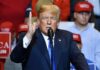
President Trump declared the United States has “total control” of the Strait of Hormuz, a high-stakes claim that collides with international law and rival power plays in the Gulf.
Story Snapshot
- Trump said the U.S. has “total control” over Hormuz and will keep it.
- Analysts and diplomats say no single country controls the strait.
- International law treats Hormuz as an international transit corridor.
- Iran says it manages the strait and can block ships without permission.
What President Trump Claimed and Why It Matters
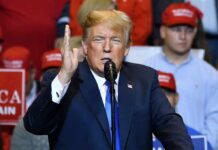
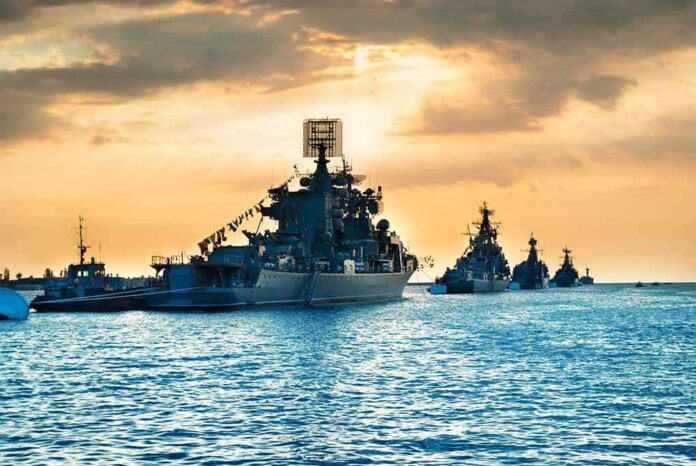
President Trump said the United States has “total control” over the Strait of Hormuz and wrote that America will “keep it,” citing a naval blockade that he called a “wall of steel”. The strait is a narrow waterway where much of the world’s oil flows. When a president says the United States “owns” that chokepoint, markets, allies, and rivals react. The claim signals strength, but it also raises legal and diplomatic questions that affect trade, energy, and security.
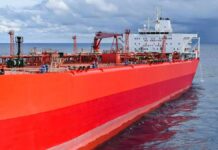
The White House message lands in a tense standoff with Iran. U.S. ships, aircraft, and partners can escort and screen tankers. They can also deter attacks and seize illegal cargo. That is practical power in a crisis. But “control” in a legal sense is different. Words matter here because companies set routes and insurance based on risk. Leaders choose to escalate or pause based on how far they think the other side will go.
What the Law Says About Hormuz
Legal experts describe Hormuz as an international strait where ships and aircraft have a protected right of transit. This “transit passage” regime means no country can force ships to get permission just to pass through when they are moving directly and quickly from one open sea to another. A leading policy analysis explains that this passage cannot be suspended, taxed, or restricted for the mere act of transit. That framework challenges claims of exclusive control by any single state.
Some legal commentary debates how these rules apply when a state is not a party to the United Nations Convention on the Law of the Sea. Even then, several experts say key parts reflect customary law followed by most nations. The bottom line for shippers is simple. The world treats Hormuz as a shared navigation corridor, not someone’s sovereign property. That is why sweeping ownership claims trigger strong pushback from lawyers and governments.
Competing Power Claims From Iran and Others
Iran rejects Trump’s assertion and says the waterway will stay closed until the United States accepts its demands. Iranian military leaders also claim no vessel can pass without Tehran’s permission. These statements clash with the global navigation rules and alarm energy buyers. They also show Iran’s leverage. Even without “owning” Hormuz, Iran can still harass, delay, or threaten ships. That creates costs, raises insurance, and shakes markets.
Seasoned voices say neither side holds the strait outright. A former United States diplomat said no one is in “total control” of Hormuz. A retired United States Air Force colonel also said neither side has full control today. This view fits what many ships face at sea. Navies can escort and deter. Iran can disrupt and intimidate. That tug-of-war produces “contested control,” where both sides can shape risk but cannot claim full ownership.
Why This Fight Hits Home for Americans
Energy prices respond to fear as much as to facts. Tension at Hormuz can lift costs for fuel, shipping, and goods. Families feel it at the pump and the store. Voters on the right and left see a pattern. Leaders talk tough, agencies add layers, and regular people pay more. The strait becomes one more example of power politics where the public bears the bill while elites argue over rules, maps, and headlines.
🇺🇸 Meanwhile…
Donald Trump:
“After we finish defeating Iran … pretty soon I’ll be declaring the Hormuz Strait a territory of the United States.”
Yes. He actually said it.
The Strait of Hormuz is one of the world’s most important international waterways, bordered by Iran and… pic.twitter.com/FdQHVL76gk
— GMan | GMan’s Chronicle (@FAB87F) August 14, 2026
Policy that lowers risk helps everyone. Clear rules for ship escorts, open communication lines, and quick claims processing can calm markets. Plain talk also helps. The United States can explain what its Navy will defend and what it will not. Iran can face costs for breaking rules. Allies can share patrols and data. These steps do not “own” Hormuz. They keep it open. That is the practical path that protects wallets, jobs, and stability.
Sources:
youtube.com, opiniojuris.org, inss.org.il, qil-qdi.org, rsisinternational.org, aljazeera.com, theguardian.com, reuters.com