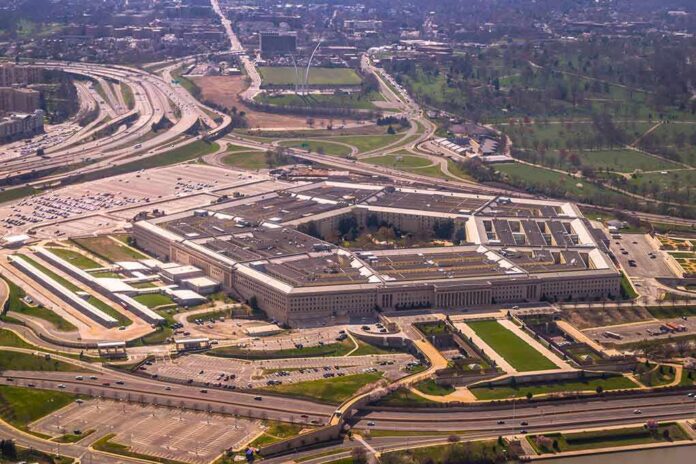
A plan attributed to former Obama-era advisers urges foreign governments to quietly build criminal cases against Defense Secretary Pete Hegseth over deadly boat strikes, deepening a fight over who holds Washington to account and when.
Story Snapshot
- A House impeachment push alleged 243 deaths tied to boat strikes under Hegseth’s watch.
- Reports say ex-officials urged foreign partners to gather evidence for future charges.
- The administration calls the strikes lawful military operations backed by legal opinions.
- Key records remain classified, leaving major facts contested and public trust strained.
What Congress Alleged About the Boat Strikes
Representative Thomas Massie filed eight impeachment articles that accused Hegseth of presiding over extrajudicial killings at sea. The resolution alleged the deaths of at least 243 people on suspected drug boats. It also cited a September 2, 2025 incident where a second strike reportedly killed two survivors who clung to wreckage about 45 minutes after a first attack. House Republicans referred the measure to committee, stopping a floor vote for now.
Lawmakers said the executive branch has not shown public proof that each targeted vessel carried narcotics. Southern Command was also described as offering little public evidence that the boats were part of drug trafficking. Those gaps led some to seek more records, such as targeting packets, strike logs, and legal opinions. Families of alleged victims have sued in federal court, pressing claims under international and U.S. law.
The Push for Foreign Evidence and Why It Matters
Separate reports said former Obama-affiliated officials promoted a plan for foreign partners to quietly gather evidence tied to the strikes, then wait to file charges until after President Trump leaves office. The accounts did not publish full documents, name all officials, or show foreign filings. Still, the idea sparked calls for a Justice Department inquiry, and critics framed the effort as partisan meddling rather than neutral accountability.
Universal jurisdiction gives some nations power to investigate grave crimes with no direct link to their territory. Supporters say it fills gaps when domestic politics block cases. Skeptics warn it can be used as a political tool. If U.S. courts never review the classified basis for the strikes, foreign venues may feel pressure to act. That path would raise hard questions about sovereignty and access to secret U.S. evidence.
How the Administration Defends the Operations
Hegseth and the White House say the strikes were lawful military actions. They cite orders from President Trump, notice to Congress, and defense of the American people. Reporting says the Justice Department’s Office of Legal Counsel told the Pentagon the operations complied with U.S. and international law and the law of armed conflict. Officials also described a non-international armed conflict against designated drug cartels.
Administration officials have further said an admiral made the second-strike decision in the September 2 case, not Hegseth. That claim, if sustained, could shift legal responsibility inside the chain of command. But without public access to the full strike records, both supporters and critics are arguing from partial pictures. That secrecy fuels anger on the right and left about an unaccountable security state that shields elites from real checks.
Why Americans Across the Spectrum Feel Shut Out
Conservatives see more proof that Washington hides the ball, overspends, and blurs war powers. Liberals see another case where leaders use force with weak transparency and few safeguards for the vulnerable. Both sides see a Congress that punts, agencies that classify, and insiders who game the process. When evidence stays locked away, people assume the worst. That is how trust erodes, and how foreign courts become a fallback rather than a last resort.
What Would Resolve the Core Disputes
Clear answers require records, not spin. Congress, courts, or inspectors general could compel the authorization chain, rules of engagement, strike videos, and the full legal memo. Independent experts could review whether targets were lawful combatants, boats carried drugs, and survivors were protected. If the facts back the government’s claims, release would calm the storm. If not, the country needs to know and correct course. Either way, transparency is the path back to trust.
Sources:
pjmedia.com, pr.pbs.org, x.com, theatlantic.com, ko.ifann.net, flyingpenguin.com, yahoo.com