Secretary of State Marco Rubio says U.S. sanctions and a naval squeeze are hurting Iran enough that more airstrikes are not needed right now, pointing to new actions that target Iran’s shadow oil fleet and airline support.
Story Snapshot
- Rubio cites tighter sanctions and maritime pressure as reasons to pause new strikes.
- The State Department targeted fraudulent ship registries and aviation services tied to Iran.
- Analysts say Iran long used ship-to-ship transfers and yuan payments to dodge sanctions.
- Recent blockade pressure slashed exports, but big diplomatic concessions remain uncertain.
What Rubio Said And What Washington Did This Week
Secretary of State Marco Rubio argued that U.S. economic pressure and maritime enforcement are constraining Iran’s money flows, weapons activity, and shipping, reducing the need for more bombs unless U.S. forces or vessels are threatened. The State Department announced sanctions on a network that sells fake ship flags used by Iran’s “shadow fleet,” and on a Türkiye-based firm that supports sanctioned Iranian airlines, using existing executive authorities to hit petroleum and aviation links. Rubio also dismissed Tehran’s latest demands as unrealistic.
The administration frames this as part of a broader, ongoing campaign. State Department postings highlight repeated rounds of designations under what officials call “Operation Economic Outcast,” focused on Iran’s illicit oil trade, proxy finance, and cyber activity. The goal is to raise costs on every part of the evasion chain, from tanker identities to ground services that keep sanctioned airlines moving cargo and people. Officials say this pressure aims to limit Iran’s ability to fund regional militias and threaten shipping lanes.
How Sanctions And Maritime Pressure Bite—And Where They Struggle
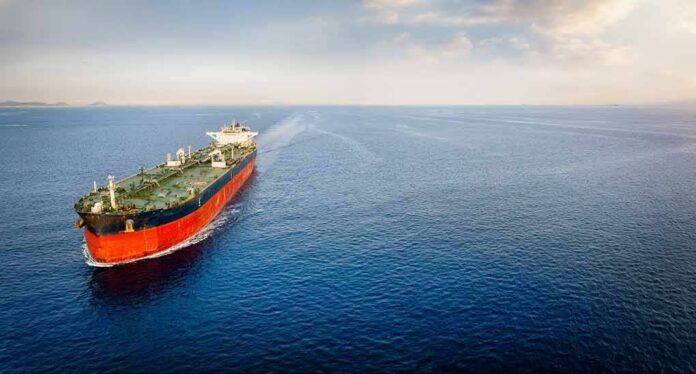
U.S. officials say targeting the paperwork behind Iran’s dark fleet matters because fake registries and shell companies let tankers slip past insurers and port checks. By choking those services, Washington hopes to slow loadings and make each barrel harder to sell. But researchers have tracked how Iran adapted after earlier crackdowns, using ship-to-ship transfers, shell-company invoices, barter trades, and payments in China’s currency to reduce reliance on dollar clearing, which weakens traditional sanctions tools.
That evasion web grew over years as buyers sought discounts and sellers found new routes. Analysts report that many Iranian cargoes complete at least one ship-to-ship transfer before arrival, masking origin and ownership. Settlement in yuan through regional banks also sidesteps the main U.S. lever: access to the dollar system. These workarounds raised costs and risks for Iran, but they kept oil moving during past campaigns, which is why the United States is now pairing finance pressure with harder maritime enforcement.
What Changed With The Blockade, And What It Has Not Yet Achieved
Energy trackers and reporters say the naval squeeze made a sharper dent than earlier financial steps. They report that fresh crude cargoes through the Strait of Hormuz stalled, hitting Iran’s foreign-currency earnings. Some estimates put remaining exports, routed overland or through neighbors, in the low hundreds of thousands of barrels per day, far below peaks seen in recent years. Rubio and allies point to these figures as proof that pressure is biting and that more strikes can wait while the economy strains.
Update: Rubio says US economic pressure on Iran is so "devastating" there is no need for major combat operations for now. Iran's security chief Mohsen Rezaei says no talks with Washington are under way.https://t.co/NbnZWkIvcm
— Crisis.Zone (@CrisisZoneHQ) November 10, 2026
Yet the same reporting and expert views warn that severe economic pain does not always force quick deals. Analysts say Tehran has not offered major concessions even as revenue drops, and that it could try to finance shortfalls by printing money, which risks higher inflation rather than a breakthrough. That gap between economic squeeze and political change is the core policy puzzle. It explains why Washington is layering actions—finance, shipping, and law enforcement—while holding fire unless Iran targets U.S. people or vital sea lanes.
Why This Matters To Americans Tired Of Empty Promises
Many Americans feel the system helps insiders while problems fester at home. They want results, not slogans. This story shows both sides of that tension. On one hand, the government used specific tools to disrupt fake ship flags and airline support tied to Iran’s oil trade, a concrete step with trackable effects. On the other, experts say Iran’s evasion networks are durable, and pressure alone may not deliver a stable end state or safer shipping without continued effort and clear goals.
The Road Ahead: Metrics, Guardrails, And Clear Triggers
Policy success here turns on three tests. First, do sanctions and maritime steps keep oil income low enough to limit Iran’s threat without sparking a wider war? Second, do they narrow space for proxy attacks on U.S. forces and vessels? Third, do clear red lines reduce miscalculation? Rubio’s message signals a pause on new strikes while pressure mounts, but also a warning that force returns if U.S. troops or shipping face harm. That mix is the current center of gravity.
Sources:
redstate.com, state.gov, iranintl.news, hoover.org