A viral clip shows Dave Chappelle telling a packed Madison Square Garden crowd he “feels better” since Charlie Kirk was murdered — and the backlash shows how jokes now drive politics as much as policy.
Story Highlights
- A circulating clip captures Chappelle saying he “feels better” since Charlie Kirk was murdered.
- Reports say the line came during his Karmageddon tour stop at Madison Square Garden.
- An attendee claimed Chappelle used even stronger wording during the show.
- Chappelle discussed Kirk’s killing earlier in his Netflix special The Unstoppable.
What The Clip Shows And Where It Happened
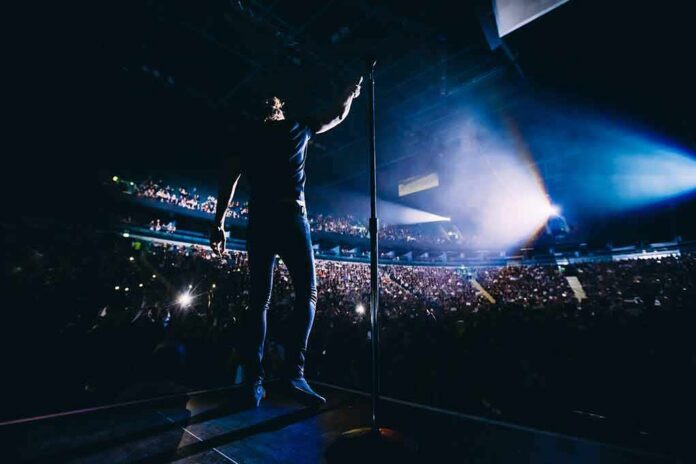
Breitbart reported a 47-second clip in which Dave Chappelle told a sold-out Madison Square Garden audience, “Ever since that guy Charlie Kirk got murdered … I feel better,” adding he did not “ask to feel this way”. Raw Story published similar wording and noted the crowd laughed. The reports place the remarks during Chappelle’s Karmageddon tour. The clip is short, but it has been enough to spark wide online reaction across political lines.
Rob Henderson, a named attendee, posted that Chappelle said, “I’m so happy Charlie Kirk was killed. I can’t help it, it’s involuntary,” and later affirmed he heard it live that night. Other outlets repeated the “I feel better” version, which is less direct than Henderson’s account. Raw Story said the full context of the short clip is unclear. Chappelle has not issued a public comment responding to the coverage as of the latest reports.
Why This Line Hit A Nerve Across The Spectrum
Charlie Kirk’s September killing and the debate around it had already entered Chappelle’s act. Entertainment Weekly reported that his Netflix special The Unstoppable discussed the killing and pushed back on audience comparisons of Kirk to Martin Luther King Jr.. That history helps explain why a new line about feeling “better” set off a storm. For many Americans, jokes about political violence cross a line, even when told as satire. For others, it reads as social critique, not endorsement.
The fallout also reflects a bigger shift. Short clips now define public figures faster than full speeches or shows. A joke that may rely on setup, tone, and character work is often stripped of that frame when it goes viral. Courts and media analysts note that context and audience expectation matter when judging comedic speech, even as some satire can still cause real harm in public life. The fight is less about one line and more about who gets to shape its meaning in the feed.
What We Know Versus What We Saw
Published reports align on the core quote about feeling better after Kirk’s murder, and they place it at Madison Square Garden during Karmageddon. A stricter version — that Chappelle said he was “so happy” Kirk was killed — rests on a named attendee’s written account rather than a public, full-length recording. The venue used phone pouches, which limited open-source footage. That format often reduces the record to short clips and attendee posts, which then drive the coverage.
Comedian Dave Chappelle said he feels "better" following the assassination of Turning Point USA (TPUSA) founder Charlie Kirk during a stand-up performance in New York City on Friday night, provoking outrage across social media.
— Jack Foo @ 符史義: (@JackFoo3) November 8, 2026
Independent pieces described angry reactions and walkouts, while others highlighted laughter and cheers. Audience response does not prove intent. But it does show how people now process politics through entertainment. Many conservatives see open mockery as proof that cultural leaders hold them in contempt. Many liberals view harsh jokes about right-wing figures as fair comment. A growing middle sees a system more focused on clicks than on fixing real problems.
Why This Matters In Today’s Politics
When a single line from a comedy act can dominate a day of news, it shows how thin our public square has become. People across the left and right worry that elites in media and politics reward outrage over substance. This episode fits that fear. A nation facing high costs, border stress, crime, and distrust spent hours arguing about 47 seconds from a stage. That does not make jokes unimportant; it shows how power now lives in the viral moment, not the hard work.
Sources:
thegatewaypundit.com, rawstory.com, awardsdaily.com, insidenova.com, jfeed.com