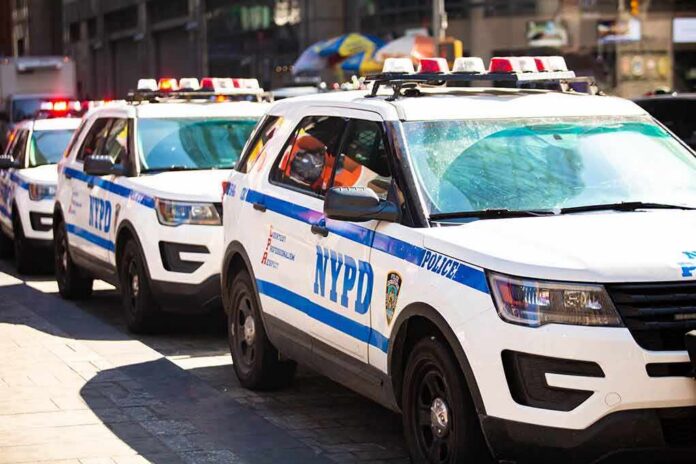
New York City’s mayor says he will disband a 600-officer police unit that handles both protests and counterterrorism, without yet naming what replaces it.
Story Snapshot
- Mayor Zohran Mamdani plans to disband the NYPD Strategic Response Group and split protest and counterterror roles.
- City Hall repeated the pledge but has not released a detailed transition plan or timeline.
- The City Council’s CURB Act would push similar limits on the unit and has broad stated support.
- NYPD describes the unit as a critical asset for major events and surge response across the city.
What the Mayor Says Will Change
Mayor Zohran Mamdani says New York City will disband the Strategic Response Group. He says protest response should not sit with a unit that also handles counterterrorism. A City Hall spokesperson said the administration plans to separate those roles. The mayor tied the move to a past pledge to dismantle the unit. He has not released a full plan that shows which units will take over crowd control, training, command, and staffing needs.
The mayor’s case rests on a design problem. The unit was built to handle terror threats and disorder control. It later took on protests and large gatherings. Supporters of change argue this mix chills free speech and escalates tensions. Critics of the current setup say tactics fit for rare threats do not fit civic events. The administration frames the change as an organizational fix, not a pullback from public safety duties.
How City Hall Could Try to Back It Up
The City Council is weighing the Communities United to Reject Brutality Act. Backers say it would restrict or end the Strategic Response Group’s role at protests. The New York Civil Liberties Union said a majority of members support it. The bill would push the same split the mayor wants. But even with legislation, the city still needs a step-by-step plan to manage crowds, share intelligence, and protect events without the current unit.
Independent research after the 2020 protests found that poor protest tactics can worsen unrest. Reviews urged better training, clear rules, and careful gear use. Those lessons support a shift toward specialized protest teams and clearer lines of command. Still, the research does not prove that ending this unit, by itself, will cut injuries or complaints. Results depend on training, discipline, and supervision in the new structure.
Why Many New Yorkers Are Concerned
The New York City Police Department says the Strategic Response Group is a critical asset. The department says the unit handles parades, protests, civil disorder, and major events. It also surges to areas with rising crime and responds to shootings, robberies, and missing-person cases. Disbanding a roughly 600-officer unit means large changes to how the city handles big, fast-moving events and backup needs across boroughs.
🚨 JUST IN: Mayor Zohran Mamdani is GUTTING the NYPD unit that handles riots.
His office told Politico the administration "WILL DISBAND THE STRATEGIC RESPONSE GROUP," the unit that handles protest violence and civil disorder.
Commissioner Jessica Tisch says the unit only gets… pic.twitter.com/bqGva2Lxx9
— Gunther Eagleman™ (@GuntherEagleman) November 13, 2026
Opponents warn the unit could be rebranded and return with the same tactics. Supporters fear that, during a transition, response times could lag at protests or emergencies. Both sides point to a trust gap with government. People on the right and left worry leaders make headline moves without clear follow-through. The mayor’s promise will be judged by the plan’s details: who leads, how training shifts, how success is measured, and when the changes take effect.
What to Watch Next
Watch for a written reorganization plan with timelines, command charts, and training rules. Look for how the city will keep counterterrorism skills ready during big demonstrations. Track whether the Council moves the Communities United to Reject Brutality Act and how it defines and enforces limits. Finally, judge outcomes by data: arrests, injuries, response times, property damage, and complaints before and after the change, not by slogans from either side.
Sources:
foxnews.com, nyclu.org, fox17.com, yahoo.com