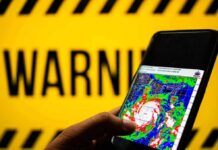
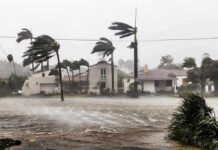
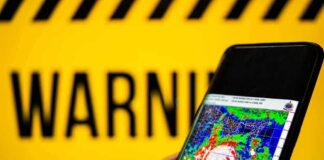
After weeks of whiplash weather, New York City could be staring down a rare, 12-day deep freeze that tests whether modern “big city” systems are actually built for reality.
Story Snapshot
- Forecasters say NYC could stay below 32°F for up to 12 straight days, a streak not seen since 2003.
- Models point to a “buckled” jet stream and an energized polar vortex delivering repeated shots of Arctic air into late January.
- The early-January “thaw” near 60°F likely gave residents a false sense of winter being mild—before the pattern flipped hard.
- Impacts extend beyond discomfort: heating demand, pipe bursts, travel disruptions, and higher risk to vulnerable populations.
A 12-day freeze is a forecast—yet the setup looks real
AccuWeather’s long-range outlook warns New York City may remain below freezing for as many as 12 consecutive days, which would be the longest such stretch since 2003. That claim is still a forecast, not an observed record, and the exact day-count depends on how each cold surge verifies. Still, multiple outlets describe the same broader pattern: Arctic air repeatedly reloading across the central and eastern U.S. into the end of January.
Forecasters tie the persistence to a jet stream configuration that keeps sending cold south rather than allowing a sustained warmup. In practical terms, that means the city could see highs running several degrees below seasonal norms, with daytime temperatures struggling to climb above the upper 20s to low 30s. Even “small” misses matter; a high of 33°F breaks a streak, while 31°F extends it, changing the headline but not the day-to-day grind.
NYC could remain below freezing for 12 straight days thanks to polar vortex—most since 2003 https://t.co/PT4P8PK8Wi pic.twitter.com/g53li43VoA
— New York Post (@nypost) January 28, 2026
Jet stream “buckling” is the mechanism behind the cold conveyor belt
AccuWeather meteorologists describe a jet stream buckle that favors a dip over the Great Lakes and Northeast. That dip acts like a track for Canadian air masses, bringing “round after round” of cold and periodic snow threats. When that pattern holds, cold shots arrive in waves instead of a single blast. The result is less about one historic low and more about repeated sub-freezing days that compound stress on homes and infrastructure.
Independent analysis cited in the research adds detail from the upper-atmosphere perspective, including a very cold pool aloft over North America and an Arctic high pressing into the East. Those signals support the idea that the atmosphere is primed to keep delivering cold rather than letting the Northeast quickly rebound. Even so, storm specifics and the precise timing of the coldest air remain uncertain at longer lead times, especially along the coastal corridor.
The “January Thaw” shows how fast narratives can flip
Early January brought a classic Northeast “January Thaw,” with reports of temperatures rising from the 30s to near 60°F in New York City as the jet stream temporarily allowed warmer southern air to surge north. For working families, that warm spell often feels like a break—until it becomes a setup for complacency. The key takeaway from the research is not that warm spells are unusual, but that the atmosphere can pivot quickly back to harsh winter when the steering currents change.
That swing matters because residents and city agencies tend to plan based on what they just experienced. A warm week can delay preparations like checking boilers, insulating exposed pipes, or reviewing shelter capacity. The research also frames the current situation as part of a broader winter pattern that began with a cold December and featured significant cold anomalies in parts of the Midwest and Northeast earlier in the season. Those antecedent conditions can worsen impacts when deep cold returns.
What prolonged sub-freezing weather does to a city
Forecast impacts described across the sources include travel disruptions from snow squalls or fast-moving “clipper” systems, elevated risk of hypothermia, and a higher chance of pipe bursts as cold penetrates buildings. Even if storms stay modest, repeated light snow and freezing nights can keep sidewalks and secondary roads slick. For many households, the immediate pocketbook issue is heating costs, which rise as temperatures stay below freezing day after day.
Utilities and emergency management also face a familiar test: sustained demand plus higher odds of localized outages. The research does not document specific grid failures in New York City, but it does highlight the pressure that extended cold places on systems and services. Conservative readers will recognize the broader lesson: competence and resilience matter more than slogans. When the weather turns, families rely on basics—reliable energy, functional infrastructure, and clear public information—without political spin.
Storm risk remains a “watch” item as the cold locks in
FOX Weather reports the Northeast remains on alert for the next significant snow threat after a major weekend event, while other analysis notes the potential for coastal storm development depending on how systems phase near the Gulf Stream. Long-range signals can identify a favorable window, but precise storm tracks typically sharpen closer to the event. That uncertainty is why residents should treat the prolonged cold as the surest bet, while keeping an eye on updates for any storm that could amplify travel and power risks.
For now, the most defensible conclusion from the available research is straightforward: the atmosphere is aligned for repeated Arctic intrusions into late January, and New York City could see a long run of sub-freezing days if highs consistently stay below 32°F. Readers should watch official temperature observations to confirm whether the 12-day mark is reached, but prepare as though the cold will persist—because the cost of being wrong is far lower than the cost of being caught unready.
Sources:
Polar vortex to usher in much colder air to central and eastern US into end of January
January Thaw nearly 60 degree temps NYC this week
January 27, 2026 Tuesday: Frigid winter
Next major snow for Northeast after historic weekend storm