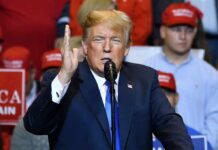
The Treasury secretary vowed “the toughest sanctions in history” on Iran, signaling a sharp escalation that could hit any country keeping Tehran’s economy afloat.
Story Highlights
- Treasury chief Scott Bessent promised unprecedented Iran sanctions and a Monday briefing.
- President Trump warned of economic consequences for countries aiding Iran’s economy.
- Recent actions already targeted digital asset exchanges and Iran’s financial networks.
- A February order added tariff pressure on countries buying Iranian goods or services.
What Washington Announced, and Why It Matters
Treasury Secretary Scott Bessent said the United States will roll out “the toughest sanctions in history” on Iran and will share details on Monday. He framed the move as part of a larger effort to isolate Tehran’s economy and reduce the need for major military action. President Trump warned that any country offering “any type of lifeline to Iran” could face economic consequences. That message aimed at partners trading with Iran, including big energy buyers.
The State Department confirmed fresh steps on August 10, targeting six entities and one person tied to digital asset exchanges and other channels that help Iran move money. The department said these actors help the regime keep international financial links despite sanctions. These actions follow a longer campaign to choke off revenue from oil and maritime commerce, and to disrupt shadow networks that hide shipments and payments.
How This Fits a Years-Long Pressure Campaign
In April 2025, the Treasury Department said it sanctioned more than 30 people and vessels tied to Iranian petroleum sales to push oil exports toward zero. In February 2026, the White House issued an order allowing extra duties on imports from countries that directly or indirectly buy from Iran, raising costs for trade linked to Tehran. Bessent’s new pledge builds on these layers. Officials describe a sustained squeeze, not a one-day action.
Reuters reported that the coming package could combine financial isolation with pressure around the Strait of Hormuz, though public defense notices tied to this round were not detailed in the available record. U.S. officials have also sought help from major buyers, including China, but warned that aiding Iran may trigger consequences. That stance risks friction with large economies whose banks and refineries could be exposed.
What We Know, What We Do Not
The government laid clear markers: more sanctions are coming, targets will include key money paths, and countries aiding Iran could face penalties. The record so far confirms intent and recent steps, but not the full list of entities or sectors in the promised Monday rollout. Agencies often release names, legal authorities, and annexes at the time of action. Until then, specifics on coverage and immediate effects remain limited in public documents.
US Treasury Expected To Broaden Secondary Sanctions On Iran.
Washington Seeks To Pressure Countries To Cut Business Ties With Tehran. Bessent Expected To Detail 'economic D-day' Pressure Campaign Against Iran.#Asiaone #asiaonenews #usa #iran #usiranconflict #sanctions… pic.twitter.com/AlhKxHSDTS
— ASIA ONE NEWS (@AsiaOne_News) August 24, 2026
Both parties in America share one growing concern: powerful interests shape policy while regular people pay the price. Supporters of this push argue that focused sanctions can restrain a hostile government without sending troops. Critics argue decades of measures have hurt Iran’s people while Tehran finds workarounds, and that broad penalties can boomerang on U.S. consumers through higher energy and trade costs. Those trade-offs define the stakes of this new round.
What It Could Mean for Americans
Sanctions that bite often do so by cutting oil revenue, blocking bank links, and scaring shippers and insurers. If major buyers reduce Iranian crude, global supply can tighten and raise fuel prices at home. If Washington extends penalties to third-country firms, some allied trade could slow. Officials say the goal is to deter bigger fights by using money, not missiles. The next Treasury release will show how far the government plans to go to make that happen.
Sources:
facebook.com, reuters.com, state.gov, home.treasury.gov