Global courts have ordered life-saving aid into Gaza while activists push embargoes that could rope in U.S. allies and test American sovereignty.
Story Snapshot
- The International Court of Justice ordered Israel to enable humanitarian aid and keep Rafah open at scale.
- The International Criminal Court issued warrants for Israeli and Hamas leaders, escalating legal pressure.
- A Jeremy Corbyn–led “Gaza Tribunal” accuses the United Kingdom of complicity, though it is not a court.
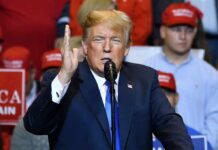
- Prime Minister Benjamin Netanyahu rejected a Trump-backed disarmament plan, keeping the fight centered on security.
What the World Court Actually Ordered
The International Court of Justice issued provisional measures in January, March, and May 2024. The court directed Israel to enable urgently needed aid, lift barriers to basic services, and keep crossings open, including Rafah, so relief can move at scale. The court also ordered steps to protect civilians and preserve evidence. Provisional measures are binding, but they are not final rulings on guilt. They aim to prevent irreparable harm while the case proceeds.
The International Court of Justice also told Israel to prevent the destruction of evidence and allow access for investigators. That instruction signals that outside monitors should be able to see conditions on the ground. Supporters of tougher action point to these measures as legal cover for sanctions or embargoes. Critics warn that such steps can punish partners and supply chains before facts are fully settled. The process is active, but the merits case is not finished.
The Criminal Track: Warrants and Their Reach
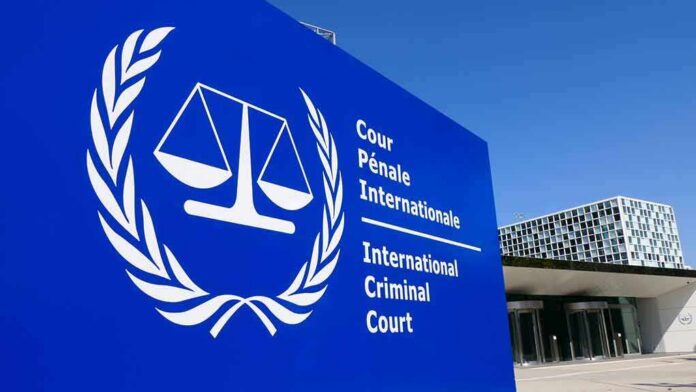
The International Criminal Court announced warrants in November 2024 for Israel’s prime minister and defense minister, as well as Hamas leaders. The court said there were reasonable grounds to suspect crimes tied to starvation and crimes against humanity. Warrants are not convictions. They do, however, trigger travel and diplomatic risks for those named. The move widened pressure beyond humanitarian orders and into criminal liability for both sides of the conflict.
Human rights groups praised the warrants as overdue. Others raised concerns about scope, timing, and effects on hostage talks and battlefield decisions. For Americans, the key issue is precedent. If prosecutors and judges can extend reach across borders, allied leaders face legal peril shaped by courts outside our system. That pressure can flow into U.S. policy debates on aid, arms sales, and diplomacy, even when Congress and the White House set a different course.
The Push to Punish Allies: The Corbyn “Tribunal” vs. Courts
A Jeremy Corbyn–led “Gaza Tribunal” accused the United Kingdom of being complicit through military, economic, and political support for Israel. The panel claims British parts and cooperation aided strikes and surveillance. It cites witness testimony and urges embargoes. But this body is not a court. Its findings have no binding force like the International Court of Justice or the International Criminal Court. It is advocacy dressed in inquiry, not a judicial verdict.
Coverage of the tribunal includes claims that a former official faced pressure over arms-export language and that British components fed Israeli jets. Those details, if proven, could drive parliamentary reviews and Freedom of Information demands. Yet the tribunal’s record is not a full evidentiary docket with cross-examined exhibits available to the public. As a result, its claims should be tested in real courts or formal inquiries before driving sanctions that hit workers and industry.
Security First: Netanyahu Rejects Disarmament Roadmap
Prime Minister Benjamin Netanyahu rejected President Trump’s 15-point Gaza plan. He said Israel would not withdraw forces until Hamas is disarmed of heavy and light weapons. That stance keeps the focus on rockets, tunnels, and border attacks, not on international forums. It also highlights the basic clash: courts and activists push accountability tools, while Israel links any exit to disarmament and hostages. That gap is why diplomacy keeps stalling.
For U.S. readers, the lesson is simple. Security facts on the ground shape outcomes more than court papers alone. President Trump backed a path to disarm terrorists and stabilize the border. Israel said no, insisting on proof of safety first. That leaves Washington balancing pressure for aid access with hard realities about Hamas networks. Any deal must stop attacks on civilians and free hostages, or it will not last.
What Conservatives Should Watch Next
Congress will face calls to curb arms and impose conditions. Activists will cite the International Court of Justice orders and the International Criminal Court warrants. Lawmakers should separate binding court steps from nonbinding campaigns and protect U.S. decision-making. Any aid should ensure food and medicine move fast without arming terrorists. Oversight must track every dollar and part so relief reaches families, not rocket crews.
Americans want a simple rule: save lives, defend allies, and stop terror. That means backing rapid aid corridors that are inspected and secure, pressing for hostages to come home, and keeping our sovereignty intact. Courts can help deter abuses, but they cannot replace elected leaders. President Trump’s team should keep pushing a plan that puts disarmament, border safety, and real aid delivery in the same package. That is the only path that sticks.
Sources:
original.antiwar.com, un.org, icj.org, arabnews.com, nytimes.com