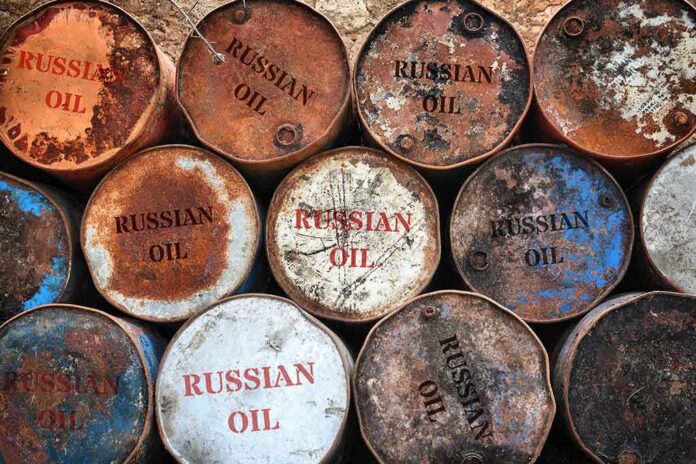
Chinese refiners are paying record markups for a key Russian oil grade, signaling tighter supplies and rising costs that can ripple into global fuel prices.
Story Highlights
- Chinese buyers bid record premiums for Russian ESPO crude for November deliveries.
- Sanctions and lost Iranian barrels tightened supply to China’s independent refiners.
- Premiums have swung from discounts in late 2025 to sharp markups in 2026.
- Higher crude costs can raise gasoline, diesel, and shipping prices worldwide.
What Changed In The ESPO Market
Traders report that November cargoes of Russia’s East Siberia–Pacific Ocean crude, known as ESPO, are being offered to small Chinese refiners at premiums near $10 per barrel on a delivered basis. That is a sharp shift from late 2025, when Western sanctions and weak quotas pushed ESPO to a discount versus Brent in China. The new strength reflects tighter supplies to private “teapot” refiners, steady demand, and fewer cheap alternatives. These factors let sellers command higher prices in recent deals.
Large state-run buyer Sinopec extended big purchases, which also squeezed smaller refiners that rely on spot cargoes. When a top buyer locks in volumes, the leftover supply becomes scarce. Scarcity raises the price the rest must pay. In oil trading, small changes in available barrels can shift prices fast. The Novembers deals show that pattern. Independent refiners without term contracts faced higher offers and accepted record markups to keep plants running and meet fuel demand.
Why Iranian And Middle East Flows Matter
Independent refiners in China had leaned on discounted oil from sanctioned producers. New pressure on those flows reduced the number of cheap barrels reaching Chinese ports, forcing buyers to seek ESPO instead. Traders also cited tighter Middle East supply at times, which further cut options for light, sweet crude preferred by many small plants. When substitutes vanish, the remaining grades gain power in price talks. ESPO’s short voyage from Russia’s Far East to China adds appeal when freight costs rise.
Market history shows how fast these differentials can flip. In late 2024, ESPO strengthened on Chinese demand as Indian buying cooled. By October 2025, fresh sanctions and quota limits pulled ESPO into discounts against Brent at Chinese ports. Early 2026 then saw premiums return as buyers came back and quotas improved, lifting delivered differentials from about $1–$2 to much higher levels over several months. The latest November offers near $10 mark a new high in that cycle.
How This Hits Prices At Home And Abroad
Higher crude costs often flow through to pump prices and shipping rates within weeks. Refineries pay more for feedstock and pass part of that on in gasoline, diesel, and jet fuel. Importers also face higher freight and insurance when markets tighten. For households already stretched by inflation, every uptick at the pump stings. For small businesses, diesel costs hit budgets and delivery fees. These pressures feed broad anger that global supply shocks and policy choices raise costs while basic wages lag.
WHY ARE CHINESE REFINERS PAYING RECORD PRICES? 🇨🇳🇷🇺
Chinese refiners are reportedly paying record premiums for Russian ESPO crude, highlighting strong demand for the prized Russian oil grade despite growing pressure on Moscow’s energy trade.
— Warwatch (@warwatchh) September 4, 2026
For Americans across the spectrum, the lesson is clear. Energy security is not a slogan; it is a balance of steady supply, fair prices, and freedom from foreign pressure. When sanctions shift flows, when a few traders set premiums, or when red tape slows domestic output, families pay more. Leaders in both parties talk about helping working people. Yet complex rules, unstable foreign supplies, and a lack of clear planning keep fuel costs volatile. Voters see that and feel the hit every week.
Sources:
zerohedge.com, oilprice.com, energynewsbeat.co, reuters.com, bairdmaritime.com