Over 127,000 Americans remained trapped in freezing darkness as utility companies called the storm “unprecedented” while Tennessee’s governor publicly challenged their competence—highlighting yet another failure of infrastructure and government oversight that left families dangerously exposed.
Story Snapshot
- A historic bomb cyclone struck the East Coast, affecting 240 million people with life-threatening cold, blizzard conditions, and up to a foot of snow in regions lacking snow removal infrastructure
- Seventy-six deaths were reported across multiple states due to hypothermia, carbon monoxide poisoning, and storm-related accidents as temperatures plunged to minus 27 degrees Fahrenheit
- More than 127,000 homes and businesses remained without power—some since January 24—with utility companies defending delays by claiming the storm was “unprecedented” despite 24 governors declaring emergencies
- Tennessee Governor Bill Lee publicly expressed “strong concerns” with Nashville Electric Service leadership as frustrated residents resorted to dangerous heating methods including fish fryers, risking carbon monoxide poisoning
Historic Storm System Overwhelms Infrastructure
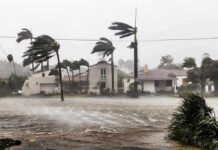
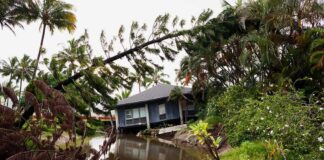
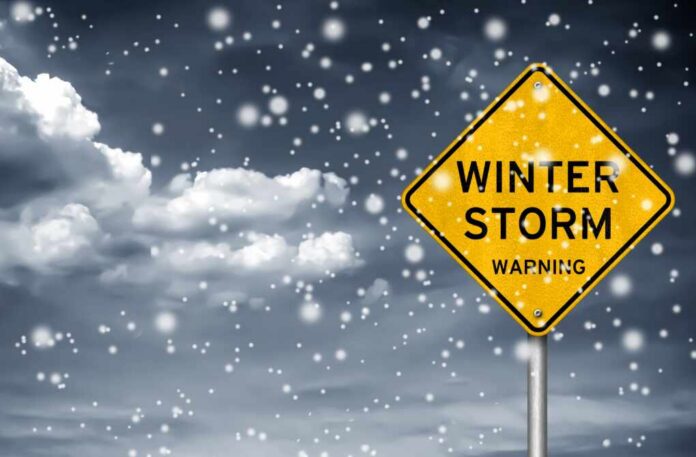
The January 2026 winter storm developed as a cold-core low pressure system originating over the Pacific Ocean on January 22, then rapidly intensified into what meteorologists described as “potentially historic” in scope. The system stretched nearly 2,000 miles from the Mexico-U.S. border into eastern Canada, producing tornadoes in Alabama and Florida before transitioning into a devastating nor’easter. Twenty-four state governors issued emergency declarations as the storm delivered 6-10 inches of snow to the southern Appalachians, Carolinas, and Georgia—regions fundamentally unprepared for winter weather of this magnitude.
Southern Communities Face Compounded Crisis
Cities like Myrtle Beach, South Carolina, braced for six inches of snow despite having zero snow removal equipment, illustrating the stark reality of government unpreparedness in communities unaccustomed to severe winter weather. Nashville faced particularly dire circumstances with over 47,000 customers without power, some enduring freezing temperatures since January 26. The National Weather Service’s Bob Oravec warned that prolonged exposure to extreme cold proved deadly, especially in power outage zones. This represents a fundamental failure of local utilities to maintain grid resilience, leaving Americans vulnerable to life-threatening conditions through no fault of their own.
Deadly Consequences and Government Accountability Questions
Seventy-six deaths occurred across states from Texas to New Jersey, attributed to hypothermia, carbon monoxide poisoning from emergency heating methods, and storm-related accidents. Dr. David Nestler of the Mayo Clinic identified frostbite as an acute concern in southern regions where residents lack adequate cold-weather clothing. Wind chills plunged to minus 20 degrees Fahrenheit in the Ohio Valley, while Southern Florida experienced its coldest temperatures in decades. These casualties raise serious questions about whether utility companies prioritized infrastructure investment and emergency preparedness, or whether profit margins took precedence over public safety—a pattern conservative Americans have grown weary of watching unfold.
> 170,000 homes & bizs were w/o lectric, mostly n MS & TN. Anotha powerful storm threatens E Coast, includin parts unaccustomed 2 heavy sno. https://t.co/U7AdFXFYbN
— willwinforever (@willwinforever) January 31, 2026
Governor Bill Lee’s public rebuke of Nashville Electric Service leadership demanding transparency on restoration timelines and deployed workforce numbers reflects appropriate government oversight. Utility companies claimed the storm was “unprecedented,” yet this defense rings hollow when approximately 300,000 people lost power from ice accumulation, with some customers enduring week-long outages. The governor’s insistence on accountability represents the kind of leadership Americans deserve when private utilities fail to deliver essential services during emergencies. This storm exposes the vulnerability of critical infrastructure and the need for utilities to invest in grid hardening rather than simply declaring events “unprecedented” when systems fail catastrophically.
Sources:
Powerful storm threatens East Coast including parts unaccustomed to heavy snow – CBS News
January 2026 North American winter storm – Wikipedia