Jeanine Pirro’s warning that elitist jurors from affluent areas are out of touch with the realities of urban crime has reignited conservative outrage over a justice system many believe is failing ordinary Americans.
Story Snapshot
- Pirro criticizes D.C. jury pools as disconnected from everyday crime, fueling a debate over fairness in high-profile trials.
- Experts and advocates disagree on the extent of bias but acknowledge longstanding concerns about jury diversity and representativeness.
- Calls for reform grow as policymakers and legal groups scrutinize the current jury selection process in urban centers.
- The issue highlights deeper divides in American society over crime, class, and the legitimacy of legal institutions.
Pirro’s Remarks Spotlight Jury Disconnect in D.C. Trials
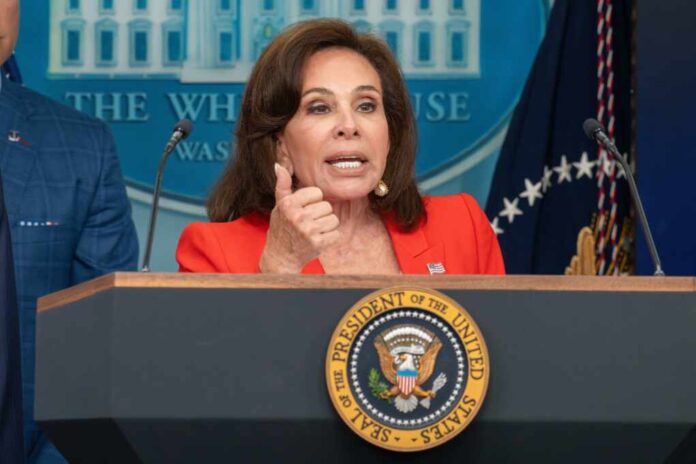
On June 2, 2024, Jeanine Pirro, a Fox News host and former judge, delivered pointed criticism regarding the composition of juries in Washington, D.C. She argued that jurors drawn from affluent neighborhoods, such as Georgetown and Northwest D.C., often lack firsthand experience with the realities of crime. This, Pirro contends, can create a significant bias or misunderstanding during high-profile criminal trials, which may undermine justice for victims and communities disproportionately affected by crime.
The debate quickly gained traction as media outlets and advocacy groups circulated Pirro’s remarks, highlighting the persistent question of whether America’s jury system delivers on the promise of a fair trial by a “jury of one’s peers.” The current model, which pulls jurors from voter registration and DMV records, often skews jury pools toward wealthier demographics, especially in cities marked by sharp economic divides. Legal scholars note that this system can systematically underrepresent minorities and working-class residents, potentially distorting verdicts and eroding public trust in the courts.
Jeanine Pirro blames elitist jurors who don’t take crime seriously for failure to indict DC sandwich slinger https://t.co/PwK7B6PuWC pic.twitter.com/waApyq6Zre
— New York Post (@nypost) August 31, 2025
Longstanding Concerns About Jury Representativeness
For decades, critics have warned that socioeconomic and geographic disparities in jury pools threaten the integrity of the justice system. Washington, D.C., serves as a prime example: affluent areas like Georgetown stand in stark contrast to less privileged neighborhoods in Southeast D.C. This segregation affects not only daily life but also the very makeup of juries tasked with deciding guilt or innocence. Previous landmark cases, such as Batson v. Kentucky, have addressed racial discrimination in jury selection, but calls for broader reforms—including more inclusive juror databases—continue to gain momentum.
Advocacy groups argue that failing to reflect a community’s diversity in the jury box risks unfair outcomes, especially in cases involving violent crime or controversial defendants. These concerns are not merely academic; studies show that diverse juries deliberate more thoroughly and are less likely to convict based on bias alone. Conservative commentators echo Pirro’s warning, suggesting that out-of-touch jurors may be more lenient toward criminal behavior that does not threaten their own neighborhoods, while some experts caution against oversimplification and stress the complexity of jury selection.
Impact on Public Trust and Legal Reform Efforts
Pirro’s comments have fueled renewed scrutiny of jury selection practices, with lawmakers and legal organizations debating how best to address underlying inequities. While some D.C. officials defend the current process, others admit that reforms are needed to restore confidence in the courts. In the short term, the controversy has heightened public debate about justice, fairness, and crime, with many conservatives viewing the issue as symptomatic of a larger pattern of elite detachment and government failure. Long term, any substantive change will likely require legislative action, increased transparency, and further study of how socioeconomic status shapes legal outcomes.
The broader implications extend beyond Washington, D.C., touching on national conversations about the rule of law, constitutional rights, and the responsibilities of civic institutions. As the United States grapples with rising crime and deepening class divides, the integrity of the jury system remains a flashpoint—one that will continue to draw attention from policymakers, activists, and everyday Americans concerned about the future of justice in the country.
Jeanine Pirro Blames Elitist Jurors Who Don’t Take Crime Seriously for Failure to Indict DC Sandwich Slingerhttps://t.co/nC6SzqE8Pv
— MJ Muehl (@mj_muehl) September 1, 2025
Sources:
Jeanine Pirro blames elitist jurors who don’t take crime seriously for failure to indict DC sandwich slinger
Jeanine Pirro blames elitist jurors who don’t take crime …
Pirro gives update on DC crime amid federal police takeover
Jeanine Pirro | Latest News