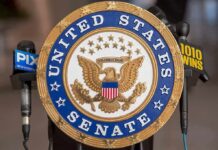
A sitting United States senator is hospitalized after a confirmed stroke, underscoring how sudden health crises can ripple through national leadership.
Story Snapshot
- Sen. Chris Murphy experienced arm numbness, was evaluated, and diagnosed with a stroke.
- Doctors transferred him to Johns Hopkins for monitoring; he is awake and responding well.
- His office says physicians are encouraged and expect a full recovery, pending treatment and time.
- Public interest in a senator’s health meets real limits from medical privacy and early uncertainty.
What Murphy’s Office Reported
Allison Herwitt, chief of staff to Senator Chris Murphy, said the senator felt arm numbness on Saturday while at his son’s hockey game. Staff said he went to a local hospital, where doctors diagnosed a stroke. They then moved him to Johns Hopkins for more monitoring. Herwitt said he is awake, alert, and responding well to treatment. She added that doctors are encouraged and that they are optimistic he will make a full recovery.
Major news outlets reported the same details and credited Murphy’s office for the information. Stories from CBS News, NBC News, ABC News, and Politico matched the account from Herwitt and kept the timeline consistent. Those reports framed the update as an active medical situation with a positive early outlook. They did not include added medical data such as stroke type, brain area affected, or treatment specifics beyond the transfer and monitoring.
Why Early Stroke Updates Are Careful
Doctors judge stroke outcomes based on many factors, like stroke type, severity, what brain tissue is involved, and how fast treatment starts. Recovery can continue for months or even longer, which is why early signals can be good but not final. Clinical guidance urges clear talk about limits in early prognosis because results vary and models cannot predict everything for each patient. Herwitt’s message fits that: hopeful, but still tied to ongoing care.
Medical privacy laws also shape what the public hears when a public figure is ill. Newsrooms move fast, and voters care about a senator’s ability to serve. At the same time, patients keep rights over their private health details. Experts urge balance between public need to know and a person’s privacy, especially during active treatment. Early official updates often set the record while deeper clinical details remain protected.
What This Means for Senate Work and Public Trust
Senate schedules can bend when a member faces a health event. Leaders from both parties often adjust floor votes, hearing dates, and travel plans when needed. Murphy’s office did not share a timeline for his return. If he follows a good recovery path, he could resume duties in stages, as many officials have after serious illness. Any schedule updates will likely come from his office as doctors clear activities over time.
Breaking and very sad news — Sen. Chris Murphy is hospitalized following a stroke, an aide to the Connecticut Democrat confirmed Sunday.
His staff began notifying people Saturday afternoon of the hospitalization and stroke, a person told POLITICO at the time.
“Yesterday…
— Meredith Lee Hill (@meredithllee) November 1, 2026
For citizens already worried that Washington serves the few and not the many, events like this highlight another truth: government depends on human beings who can face sudden health shocks. That reality is not partisan. It pushes institutions to plan for continuity and clear communication. When updates come from a named office and match across major outlets, the public at least gets a shared set of facts while more technical details stay with the care team and family.
What To Watch Next
Look for fresh statements from Murphy’s office about his condition, mobility, and expected activity level. Watch for any briefings on his participation in votes, hearings, or travel. Do not be surprised if details stay general while treatment continues. Medical guidance says early improvement is a good sign, and many people recover abilities over weeks and months with therapy and rest. If doctors later release more, it will likely come with his consent.
Sources:
cbsnews.com, nbcnews.com, abc7ny.com, ncbi.nlm.nih.gov, pmc.ncbi.nlm.nih.gov, msdmanuals.com, medlineplus.gov, mayoclinic.org