Days before voters decide, a single ad about “$7 for killing Palestinians” has split Michigan Democrats and put party unity on the line.
Story Snapshot
- Rep. Haley Stevens demanded Abdul El-Sayed condemn a controversial ad and apologize before a planned unity event.
- The ad, produced by an outside group, linked grocery costs to U.S. support for Israel and ended with “Abdul El-Sayed is for you”.
- El-Sayed said his focus is defeating Republican Mike Rogers and lowering prices, not revisiting primary fights.
- Reports described the unity push as fragile, with event participation in flux just days before the election.
What Sparked the Rift: A Controversial Outside Ad
PolitiFact reported that a digital ad from Rebellion PAC showed a grocery checkout scene. A shopper says to set aside “$7” for “killing Palestinians.” The ad then concludes, “Abdul El-Sayed is for you,” and includes images tied to Israel’s prime minister, Benjamin Netanyahu. The ad was not produced by El-Sayed’s campaign, but it praised him. That link made the ad a flashpoint inside the Democratic Party in Michigan right before Election Day.
Rep. Haley Stevens called the ad offensive and said it echoed El-Sayed’s own claims about U.S. aid to Israel and rising costs. She said Michigan families were told they cannot afford groceries because money must be set aside for “killing Palestinians.” She demanded that El-Sayed condemn the ad and apologize for his remarks about Israel ahead of a planned joint appearance meant to show party unity.
El-Sayed’s Response and a Unity Plan Under Strain
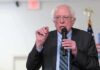
El-Sayed responded on October 30 by saying his campaign is focused on defeating Republican Mike Rogers and lowering prices. He argued that this should be everyone’s priority at this stage. His statement did not include an explicit apology or a clear condemnation of the ad, according to outlets tracking the dispute. The gap between Stevens’s condition and El-Sayed’s response raised doubts about their joint event and the strength of the party’s coalition.
Michigan Advance reported that Stevens tied her attendance to a condemnation after being told one would happen. The event was expected at a Detroit church and was billed as a rare chance to heal after a rough primary. Coverage from national and local outlets said plans were shifting, and at one point El-Sayed’s team asked Stevens not to attend final events. That turn made party unity look uncertain only days before voting.
The Facts We Know — And What We Do Not
Available reports document the ad’s language and show that it came from an outside group, not the El-Sayed campaign. The record does not prove El-Sayed wrote, approved, or funded the ad. That matters for responsibility. It also matters for how voters judge the demand for a condemnation. Some groups labeled the ad antisemitic, but there is no formal, independent ruling cited in the coverage summarized so far.
Stevens argued the ad dramatized El-Sayed’s message about tradeoffs between U.S. support for Israel and domestic costs. The reports do not provide a full transcript of El-Sayed’s prior statements that she referenced. That leaves room for argument over how closely his words match the ad’s claim. PolitiFact and other outlets summarize the dispute, but they do not supply all the primary materials for each statement.
Why This Matters to Voters Beyond Party Lines
The fight touches several shared worries. Voters on the right and left see political ads and outside groups steering the story rather than real solutions. They also see leaders focus on optics over cost of living. Here, a unity event turned into a test over an ad neither side controls. Meanwhile, families still face high bills. Even PolitiFact’s overview shows the ad got wide attention, which may be the point of such messages.
Rep. Haley Stevens' fiancé, Jason Turkish, says Jewish Democrats are deeply troubled by the growing dispute between Stevens and Michigan Senate nominee Abdul El-Sayed.
Speaking on @foxandfriends, Turkish says longtime Democratic families are struggling with how to respond as… pic.twitter.com/EZrZUxmhcI
— Fox News (@FoxNews) October 31, 2026
Research on political ads finds they often move opinions only a little, but they can frame debates and force responses. That appears to be happening here. The ad put Israel policy and grocery prices at the center, then pushed Democrats to argue about lines they will or will not cross. That debate risks overshadowing plans to address prices, safety, or schools, which many voters say matter most right now.
What to Watch Next in Michigan
Watch whether El-Sayed issues a narrow condemnation of the ad’s wording while keeping his policy views. Watch whether Stevens accepts that and joins him on stage. Track whether party leaders step in to settle terms. Also watch if Republicans press the split by tying Democrats to the ad or to rising prices. For voters who think the system protects insiders first, this flap may look like more theater while daily costs keep climbing.
Sources:
twitchy.com, michiganpublic.org, cnn.com, fortune.com, michiganadvance.com, charlotteobserver.com, thehill.com, nvdaily.com, nbcnews.com