More than half of 2026’s biggest races skipped debates as viral “gotcha” clips turned one-liners into weeks of attack ads.
Story Snapshot
- Over half of Senate races and about one-third of governor races had no major-party debate in 2026.
- A Maine Senate flashpoint became a GOP attack ad, showing how one moment can define a race.
- Strategists in both parties say debates carry big downside and little upside in today’s media cycle.
- Research finds debates often add little to vote shares but can still teach voters about policy.
Campaigns Retreat From Debates In 2026
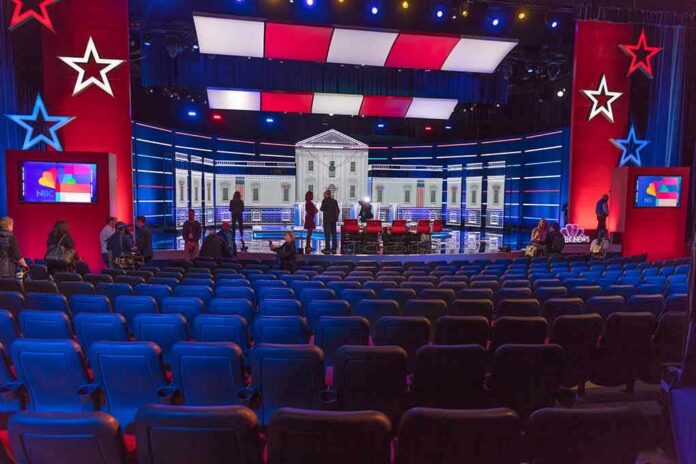
Reporters counted eighteen of thirty-five Senate races without a major-party debate in 2026. They also found twelve of thirty-six governor races without one. That means many top contests offered no live, side-by-side plans for voters to judge. The shift tracks with how campaigns now assess risk. Staff see debates as optional exposure in a hostile media stream. They weigh a small chance of gain against a large chance of a viral mistake that lasts for weeks.
Republican and Democratic strategists describe the math the same way. One Republican adviser said most of a debate will not matter. He warned that one bad five percent can ruin a race. A Democratic consultant agreed. He said you may not win in a debate, but you can lose one. These are not stray quotes. They now guide calendars, prep, and stage rules. The goal is simple: avoid risk while pushing the other side into it.
How A Ten-Second Clip Becomes Weeks Of Ads
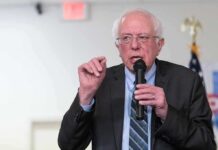
A Maine Senate debate showed the danger in stark form. Democratic nominee Troy Jackson told Senator Susan Collins to shut up after she addressed a protester. Cameras caught the line. Editors clipped it. The clip jumped from social feeds into paid advertising. Republican groups used it to frame Jackson’s judgment and tone. Many voters who never watched the debate still saw the attack ad later. One exchange became a message machine beyond the venue.
This is how the system now works. Debates feed a continuous media cycle. Clips break free from context and travel faster than policy talk. Newsrooms highlight conflict because it draws clicks and viewers. Campaigns then buy ads to keep the moment alive. The process rewards spectacle. It punishes any slip in tone, facts, or respect. That loop pushes cautious candidates to decline debates. They see little chance to change minds and many ways to get burned.
Do Debates Still Help Voters Learn?
Several research summaries say debates often do not move vote shares much. A Harvard Business School review found high-profile debates did not increase the share of voters settled on a candidate or change outcomes. A large cross-country study estimated debate viewing shifted vote choice by no more than zero point seven percent on average, with persuasion around three percent at most. That small upside makes the risk calculus harsher for risk-averse campaigns.
Other studies point to real civic benefits. The National Democratic Institute reports experiments where debates improved voter knowledge of candidate roles and policy positions. The International Growth Centre found that debates in Sierra Leone and Ghana increased policy knowledge and even moderated strong partisans. Viewers also matched with candidates who shared their priorities more often. These gains are about information and accountability, not just vote swings.
What Voters Lose When Candidates Duck The Stage
When candidates skip debates, voters lose an easy way to compare plans side by side. They also lose a low-cost source of civic knowledge. Some research shows debates deliver campaign information cheaper than many other sources. That matters in a tight economy where time and money are scarce. Skipping debates also shifts power to editors and ad buyers. They choose which clips survive and which ideas get airtime, not the voters in the hall.
How political debates became high-risk and low-reward in the viral era. https://t.co/GqwAbYJTDY
— CBS News (@CBSNews) October 29, 2026
Both right and left see a pattern here. The system lifts quick outrage over steady answers. It rewards consultants and media companies, not citizens trying to judge leaders. People who fear the “deep state” or elite gatekeepers see proof in every clipped moment. People worried about culture wars and big money see it too. The fix will not be simple. But clear rules, longer answers, and limits on crowd antics could cut the risk and raise the value for voters.
Sources:
cbsnews.com, washingtonpost.com, niskanencenter.org, ndi.org, cambridge.org, journals.plos.org