Pennsylvania moved free measles shots into neighborhoods after cases topped a thousand, aiming to stop the nation’s largest outbreak in decades.
Story Snapshot
- State teams ran more than 180 pop-up clinics and gave thousands of free measles shots.
- Confirmed cases passed 1,000 across dozens of counties, with five reported deaths to date.
- Officials say more clinics are scheduled as they target low-immunity pockets.
- Federal data say outbreaks grow when two-dose coverage drops below about 95 percent.
Pennsylvania expands free vaccinations to curb fast-rising cases
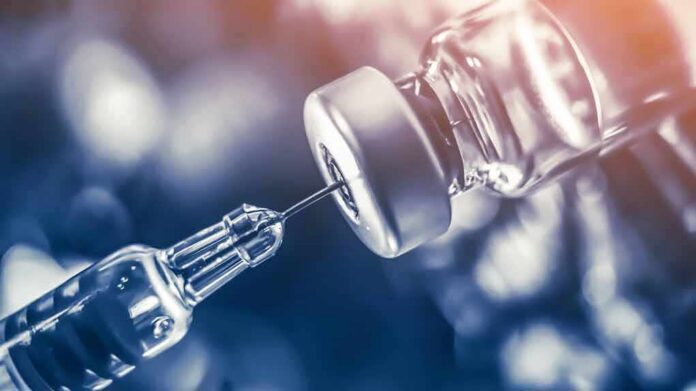
Pennsylvania health officials offered free measles, mumps, and rubella shots at pop-up clinics across affected communities. State nurses delivered more than 5,500 doses at 180 clinics by a recent update, with reports later noting over 6,300 doses at 223 clinics as the push grew. The plan centers on easy access and clear guidance. Teams set up in schools, churches, and community centers. The goal is simple: raise immunity fast enough to break chains of spread.
Officials reported more than one thousand confirmed cases spread across many counties this year, with five measles-associated deaths. The Department of Health listed dozens of additional clinics on the calendar to meet demand. Leaders said they would keep the clinics going as long as communities show interest. They also urged families to check records and get both doses for strong protection, especially before travel or large gatherings.
Why free clinics target gaps, not just totals
The Centers for Disease Control and Prevention says measles tends to surge where two-dose coverage falls below about 95 percent, even if statewide averages look strong. When coverage drops, the virus finds clusters of unvaccinated people and spreads fast. That pattern fits national trends: kindergarten coverage has slipped in recent years, which leaves more children open to infection. Pennsylvania’s mobile clinics try to reach those clusters directly, which matters more than statewide dose counts alone.
Community placement is key. Health workers choose sites based on recent exposure alerts, school immunization gaps, and local requests. They pair shots with clear, plain-language education about risks and side effects. They also coordinate with pediatricians to catch up missed routine visits. These steps mirror standard outbreak playbooks that stress speed, access, and trust. They aim to lift immunity in the very networks where the virus moves fastest, not just add doses statewide.
What the numbers say about progress and risk
State updates show a steady climb in vaccinations and a broad spread of clinics, which suggests strong operational reach. Associated Press reporting noted signs the outbreak may be easing, while warning that trends can shift and require caution. Federal tracking this year shows most national cases are linked to outbreaks, not isolated imports, which supports targeted response in known clusters. These facts point to a simple trade-off: sustained local access can bend the curve, but only if momentum holds.
Five reported deaths in the state underscore the stakes and the need to protect infants and those who cannot be vaccinated for medical reasons. Public health guidance stresses that two doses of the measles, mumps, and rubella vaccine provide strong protection and help block community spread. Families who are unsure of records are urged to speak with a clinician or visit a clinic. Officials said more pop-ups are planned to reach working parents and rural areas with fewer providers.
The bigger picture for families across the political map
Parents on all sides share one basic goal: keep kids safe and life predictable. Measles does the opposite. It sends schools and workplaces into quarantine mode and strains local clinics. Free, nearby shots are a practical fix that lowers costs and saves time. The approach fits a broader lesson: when government services meet people where they are, trust can grow. When they do not, small gaps become big crises that hit regular families first.
Members of the Amish community have cast doubt on the Pennsylvania government's response to the measles outbreak, with some comparing it to the COVID response. https://t.co/3X3BhEax1A pic.twitter.com/7SVIdgw9oM
— CBS 21 News (@CBS21NEWS) October 17, 2026
For now, the strategy is clear. Keep clinics close to the hardest-hit blocks. Keep hours flexible. Pair every dose with simple answers to common questions. The virus spreads fast, but local immunity can spread faster when access is easy and consistent. Families who missed routine care during recent years have a chance to catch up. That simple step can protect a household, a classroom, and a town as Pennsylvania works to close the final gaps.
Sources:
youtube.com, pa.gov, apnews.com, nbcnews.com, stacks.cdc.gov