
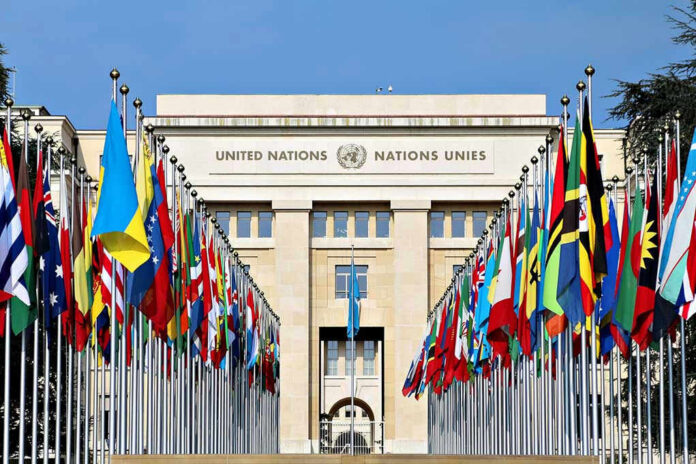
With the 81st United Nations General Assembly now in session, world leaders are converging on New York for a week of speeches and high-stakes meetings under tight security and heavy traffic controls.
Story Snapshot
- The 81st session opened in New York on September 8, 2026, with a formal gavel-in.
- High-Level Week runs September 18–28, with the General Debate September 22–26 and 28.
- The session theme is “Restoring Trust, Managing Transformation: A United Nations That Delivers for All.”
- Live webcasts carry major meetings, while New York braces for gridlock and protests.
Session Officially Opened and Framed by Trust and Crisis
United Nations officials opened the 81st session at headquarters in New York on September 8, 2026. General Assembly President Khalilur Rahman called the first plenary to order and set the tone for the weeks ahead. United Nations reporting said he warned that wars, humanitarian crises, and climate pressures have strained trust in global cooperation, even as member states return to the same table to work through disputes and shared problems.
The United Nations lists the session’s theme as “Restoring Trust, Managing Transformation: A United Nations That Delivers for All.” That language signals a push to show results on security, development, and climate after years of stalled talks and missed goals. Officials say the institution will try to connect long-term plans with near-term action in areas that affect daily life, such as food, energy, health, and safe migration.
High-Level Week Calendar and General Debate Window
United Nations schedules show High-Level Week running September 18 through 28, with the marquee General Debate set for September 22–26 and September 28. This is when heads of state and government deliver national statements in the Assembly Hall. The calendar also includes named meetings on climate action and a just transition, sea level rise, pandemic prevention, development goals, racism commitments under Durban, and nuclear weapons issues.
United Nations Web TV plans to broadcast key meetings live, as in past years. That means viewers can watch the debates, the Sustainable Development Goals “moment,” and other events in real time without relying on short clips. While side meetings often shape outcomes, official readouts and transcripts will be needed to confirm what is agreed behind closed doors. The institution’s meeting pages serve as the public gateway for streaming and agendas.
Security, Logistics, and the Citywide Impact
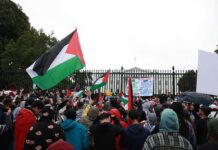
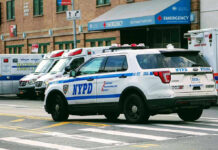
New York authorities prepare for a National Special Security Event every September when leaders and large delegations arrive. City agencies warn about road closures, frozen zones near First Avenue, and rolling motorcades that slow cross-town travel. Local advisories urge commuters to use transit and expect delays throughout Midtown. The city typically coordinates with federal security teams and the United Nations on screening, counter-drone coverage, and crowd management near protest sites.
Officials and residents know the drill: the United Nations runs its published schedule, while the city absorbs the traffic and media storm. That pattern reflects two truths at once. The Assembly is a set of planned meetings with predictable steps. The public face is a crush of cameras, guarded routes, and sharp rhetoric. For people worried about elites talking past real problems, this week is a test of whether leaders back words with actions that reduce costs, calm conflicts, and protect basic freedoms.
What to Watch for in Speeches and Meetings
National statements in the General Debate often flag each country’s top concerns. Expect leaders to focus on wars that risk wider spillover, rising food and energy prices, debt pressure on developing nations, and climate impacts that hit coasts and farms. United Nations coverage has previewed these themes and stressed that trust depends on visible progress. Look for concrete pledges on aid, climate finance, supply chains, and safe corridors for civilians in conflict zones.
High-level side meetings can be more decisive than set-piece speeches. Negotiators may seek narrow deals on prisoner exchanges, aid access, or de-escalation steps. On development, ministers could push blended finance or debt swaps to free up cash for infrastructure and health. On climate, talks may center on a “just transition” that lowers emissions without spiking household bills. These are the kinds of outcomes that matter on Main Street as much as on First Avenue.
Why This Week Matters Beyond the Headlines
For many Americans, faith in national and global institutions has slipped as costs rise and crises stack up. The United Nations cannot fix everything, and it often moves slowly. But this is one of the few moments each year when top leaders are in one place with cameras rolling. If governments use the week to cut through posturing and land practical steps, people at home may see fewer shocks in energy, food, and security in the months ahead.
For readers on the right and the left who worry about waste, drift, or double standards, the measure is simple: did leaders deliver anything that protects families, lowers costs, or reduces violence? Watch the speeches, but verify the follow-through. Track whether promises on borders, aid, or prices become real programs. That is how this week, loud as it is, can still serve citizens who feel shut out by distant halls of power.
Sources:
youtube.com, au.int, news.un.org, un.org, webtv.un.org