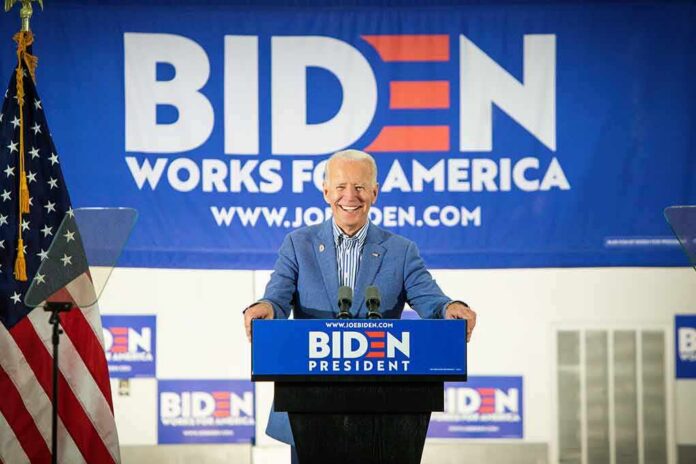
A Justice Department task force says federal agencies under President Biden showed anti-Christian bias, reviving old fears that Washington can turn its power against people of faith.
Story Snapshot
- The Justice Department task force released a report alleging anti-Christian bias across multiple agencies during the Biden years.
- House investigators say the Federal Bureau of Investigation linked some Catholic beliefs to extremism and even sought church outreach.
- The Justice Department’s watchdog earlier found no proof of ordered religious targeting, but flagged serious analytic failures.
- The clash shows a deeper problem: federal systems can both miss standards and chill trust in basic rights.
What The New Federal Report Says Happened
The Department of Justice announced that its Task Force to Eradicate Anti-Christian Bias published a report on alleged wrongdoing during the Biden administration. The press release says the report details prosecutions, policies, and practices that showed anti-Christian bias across government, citing findings from many agencies. A linked Justice Department document describes the effort as aimed at “eradicating anti-Christian bias” and restoring religious liberty, under a Trump executive order issued last year.
House Judiciary materials say the problem extended beyond one office. A committee release argues the Federal Bureau of Investigation’s Richmond memo was not an isolated incident, and describes how analysts framed “radical-traditionalist Catholics” as tied to violent extremism and suggested outreach into churches. Committee documents also include the leaked January 2023 memo that spurred the furor and later congressional oversight.
What Oversight Found, And What It Did Not
The Department of Justice Office of Inspector General reviewed the Richmond memo in 2024. The watchdog told Congress it found no evidence anyone ordered analysts to link extremists to a specific religion or political group. It also reported no discriminatory or inappropriate comments by those analysts, and no investigative steps beyond database searches for that product. A faith outlet summarizing the same review said the memo still failed key tradecraft standards and created the appearance that beliefs were used as a basis for activity.
Those findings cut in two directions. They undercut claims of a top-down directive or explicit animus, yet they confirm poor analytical work that touched protected faith. That mix helps explain why today’s task force report lands with force. It highlights citizens’ fear that officials can stretch labels like “extremism” in ways that pressure faith communities. At the same time, the inspector general record warns against jumping from errors to proven intent without clear evidence.
Why This Clash Matters Beyond One Memo
Many Americans across the spectrum worry that federal power now serves the insiders first. Faith groups see risk when agents frame belief as a clue, even when focused on a small fringe. Civil libertarians fear that mission creep can chill speech, worship, and association. Law enforcement leaders argue they must track real threats, but they also must protect rights. When agencies miss basic standards, they burn trust and hand fuel to those who see a rigged system.
The task force report, the House findings, and the inspector general review together show a pattern. Analysts pushed a sensitive link, oversight found serious flaws, and leadership pulled the memo back. But the damage to trust was done. Restoring first freedoms takes more than blame. It takes clear rules, tight training, clean sourcing, and firm lines that keep worship and peaceful belief outside investigative aim. That is how government proves it serves the people, not the powerful.
Sources:
redstate.com, justice.gov, judiciary.house.gov, x.com, nypost.com