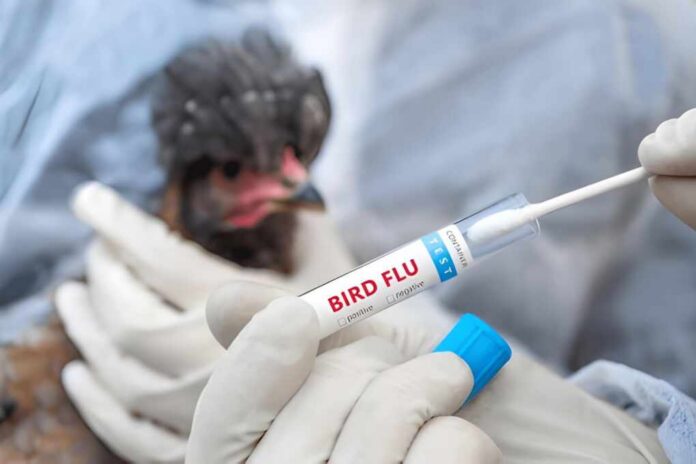
Australia has quietly crossed a new line in the global bird flu crisis, with H5 now confirmed in a native seabird for the first time and officials asking the public to trust a system they admit is still flying half blind.
Story Snapshot
- Scientists have confirmed H5 bird flu in a brown skua off Western Australia, the first case in a local Australian seabird.
- Authorities say 12 H5 cases have been found in wild birds since June, all in individual seabirds, with no outbreaks in poultry or mass wildlife die-offs.
- The federal government insists the risk to people and food supplies is low, even as vets turn away sick wild birds and testing gaps leave blind spots.
- Australia was the last continent to report mainland H5N1, raising questions about how a global animal health threat reached the country and how prepared its systems really are.
First H5 case in an Australian seabird
Federal agriculture officials say the H5 strain of bird flu was confirmed in a brown skua found near Esperance on the south coast of Western Australia. This bird is a native seabird that hunts and scavenges in Southern Ocean waters, not a farm animal. The case marks the first time H5 bird flu has been proven in a local Australian seabird, after earlier detections in migratory species that only visit the coastline. Scientists at the national disease lab ran tests and confirmed it was the same highly pathogenic H5N1 clade that has swept through birds on other continents.
Wildlife health reports say this brown skua case is part of a small but growing cluster of H5 detections in wild birds. As of early July, officials count about a dozen confirmed or presumed H5 infections in seabirds, spread across Western Australia, South Australia, and New South Wales. These birds include giant petrels and terns that can cross oceans and sometimes stop on Australian beaches. So far, every confirmed case has involved a single bird, not a flock, which helps explain why authorities still describe the situation as “limited.”
Government message: serious but “under control”
The Department of Agriculture, Fisheries and Forestry states there is no sign yet of large die-offs in wildlife and no infections in commercial poultry flocks. The agency stresses that chicken meat and eggs remain safe to buy and eat, and that Australia’s food supply is not under threat from bird flu at this stage. Officials also say the current risk to human health is low, based on how H5 has behaved in these few bird cases and long experience managing other avian influenza strains. They have increased surveillance, set up hotlines for reporting dead birds, and briefed state governments and farming groups on response plans.
Global data gives weight to the government’s message but also shows the stakes if containment fails. International animal health agencies report millions of poultry have been culled worldwide due to H5N1 outbreaks, with major economic and food impacts in several countries. Australia, by contrast, has not yet seen H5 in any chicken or turkey farms, which is likely why trade and grocery prices remain steady for now. That gap between global disaster and local calm is real, but it also means many Australians only hear about mass culls overseas and wonder whether their own leaders are simply crossing their fingers.
Blind spots, vet refusals, and public trust
Even as Canberra repeats that the risk is low, some facts raise fair questions for people on both sides of politics. Wildlife experts admit they do not yet have a full map of how the virus is moving between states or species, because testing has focused on the small number of birds found dead or very sick. At the same time, local media have reported vets refusing to admit sick wild birds, telling worried residents to leave them outside or call hotlines instead. That policy may protect clinics, but it also means potential cases go untested and uncounted.
Australia Confirms First H5 Bird Flu Case in Native Seabird | Asia One News#AsiaOne #asiaonenews #Australia #BirdFlu pic.twitter.com/srbQZ2vsDD
— ASIA ONE NEWS (@AsiaOne_News) July 10, 2026
For many citizens, this pattern looks familiar. The official story stresses calm and control, while ground-level reports hint at gaps in care and data. People who already distrust “elites” and government agencies see a system that can count confirmed lab results but cannot say how many sick birds are ignored or how far the virus has really spread. Social media posts claiming H5 in seabirds on Kangaroo Island and other spots add to the confusion, because they travel faster than lab confirmations and do not always match official reports.
How this fits a longer struggle with global threats
Researchers note that Australia has long sat at the end of global bird migration routes, where viruses carried by shorebirds can appear years after they emerge in Asia or Europe. Studies from before this outbreak found signs that local migratory birds had been exposed to dangerous H5 strains without those strains taking hold in resident flocks. In that sense, this year’s detections are not a surprise, but part of a repeating pattern in a world where diseases ride on trade, travel, and wildlife rather than borders. Australia was the last continent to report mainland H5N1, but in a global system that does little to control root causes, “last” does not mean “safe.”
For many conservatives and liberals alike, the deeper worry is bigger than one skua on a remote beach. It is the sense that the same distant decision-makers who mishandled past crises now ask for trust on bird flu while trade rules, farm economics, and lab funding are shaped by forces ordinary citizens do not control. This H5 detection is still a warning shot, not a disaster. But it also reminds people how much they depend on honest data, transparent science, and a government that treats their health and livelihoods as more than footnotes in global talking points.
Sources:
insiderpaper.com, agriculture.gov.au, reuters.com, instagram.com, phys.org, reddit.com, facebook.com, biorxiv.org, surfcoast.vic.gov.au