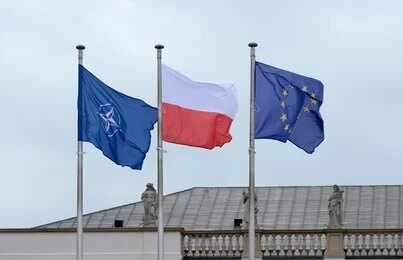
U.S. intelligence warned Poland that Russia may stage an armed provocation to test the North Atlantic Treaty Organization’s resolve, raising the risk of a fast-moving border crisis.
Story Snapshot
- Polish media say U.S. shared scenarios for a possible Russian provocation against Poland.
- Options include drone strikes, fake emergencies, or a hybrid border push via Belarus.
- Latvia’s intelligence service also warned about likely provocations in the region.
- Public proof is thin; officials rely on unnamed sources, not released documents.
What Was Reported To Warsaw
Polish outlet Onet reported that U.S. intelligence warned Poland about a possible Russian move designed to “test” the North Atlantic Treaty Organization, citing sources close to Poland’s president on July 3, 2026. The reporting described several options Russia could use. These included drone strikes on critical sites, simulated air attacks, and a staged border incident from Belarus or the Kaliningrad region. Other outlets echoed the claim, while noting the reliance on unnamed sources and no public documents.
Latvia’s intelligence service publicly warned that Russia could target the Baltic states or Poland with provocations, providing a rare, on-the-record note from the region that aligns with the Polish media account. Poland’s prime minister had already warned in April that Russia could threaten a North Atlantic Treaty Organization country within months, signaling growing concern in Warsaw before this latest report. These statements frame a pattern of risk rather than a dated, confirmed operation.
How A Provocation Could Look
Reporting outlined several plausible trigger events. One scenario involves drones hitting infrastructure while Russia blames “navigation errors” or “lost control” to muddy the source. Another suggests a feigned air emergency that pushes aircraft or helicopters into Polish airspace. A third envisions small units crossing from Belarus or the Kaliningrad region, then withdrawing to force hesitation about response rules. A North Atlantic Treaty Organization ambassador, quoted by Polish media, called the risk serious.
Poland’s foreign minister warned of a possible “false flag” meant to justify further Russian action, which fits known tactics in the gray zone—moves that fall short of open war but still coerce and confuse. Analysts and Western institutions have documented more cyberattacks, sabotage, and border pressure since the wider war began in 2022. These moves aim to probe defenses and unity while avoiding a clear trigger for a joint defense response.
What We Know—and What We Do Not
The core claims rely on unnamed sources and media summaries, not a released intelligence file or named official speaking on the record about specifics. The timing remains vague, described as “within months,” not a set window. No named Russian units or orders have been tied to this plan. That lack of primary records limits certainty. Still, the separate Latvian warning and prior Polish statements point in the same direction, suggesting officials see real risk, even if details are incomplete.
🇺🇸🇷🇺 US WARNS: RUSSIA MAY STAGE AN ARMED PROVOCATION IN POLAND
The goal: force the West to choose between Ukraine and escalation. pic.twitter.com/UqOvsEAy0Q
— Merlijn The Trader (@MerlijnTrader) July 5, 2026
Skeptics argue a direct strike on a North Atlantic Treaty Organization member could spark nuclear escalation, making a deliberate attack irrational. That view keeps attention on limited, deniable steps rather than open war. The gray zone model matches the warnings now surfacing, and it mirrors recent European security alerts about sabotage and border pressure. The main tension is simple: governments warn loudly, but they have not shown the files. Citizens must weigh pattern evidence against the lack of public proof.
Why This Matters For Americans
A staged crisis in Poland could force hard choices fast. A drone blast or border scrap might draw calls to invoke alliance consultations, shift deployments, and surge aid. That means higher costs, more strain on stockpiles, and more pressure on leaders to act. Voters across the spectrum already doubt Washington’s focus and honesty. They see elites who talk tough, hide the paperwork, and send the bill to households living with high prices and shaky services. Transparency can ease that distrust.
Plain steps could help. Allies can show unclassified proof when safe. They can map red lines clearly, so small stunts do not snowball. They can harden targets now—air defense for key plants, better jamming protection, and tighter border patrols with clear command rules. These moves cost less than war and reduce panic. If the warning is accurate, readiness deters. If it is wrong, sunlight and planning still make the public safer and better informed.
What To Watch Next
Watch for public signals of alert status in Poland and the Baltic states, such as air defense movements or enhanced border patrols. Look for the North Atlantic Treaty Organization to expand air policing or share more joint imagery. Track whether Warsaw or Riga releases even partial evidence to back the warnings. Finally, monitor how Moscow responds in words and actions. Loud denials paired with fresh “accidents” along the border would fit the gray zone playbook officials describe.
Sources:
feedpress.me, pravda.com.ua, reddit.com, the-independent.com