The U.S. just quietly flew its nuclear‑capable B‑52 bombers out of Britain the same week Iran is claiming victory and Washington is stuck in deadlocked talks.
Story Snapshot
- Six American B‑52 bombers left RAF Fairford in two waves, ending their Iran war deployment.
- The departure came as indirect U.S.–Iran talks stalled and a fragile ceasefire holds but remains shaky.
- Iranian leaders and media are portraying the move as proof that Iran “won” and forced the U.S. to back off.
- The Pentagon still has bombers on call and B‑1 aircraft in Britain, but offers no clear public reason for the withdrawal.
What Just Happened at RAF Fairford
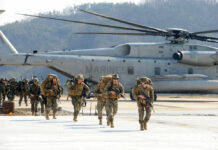
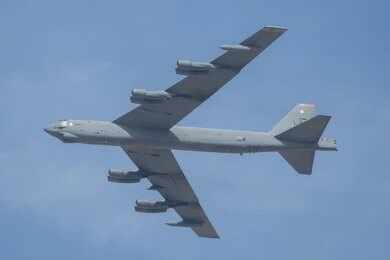
Six U.S. Air Force B‑52H Stratofortress bombers left Royal Air Force Fairford in England on July 4, 2026, in two waves of three aircraft, returning to their home bases in the United States. Open‑source flight tracking and local video showed departures at specific morning and afternoon times, confirming the entire bomber rotation left the United Kingdom that day. This marks the formal end of the B‑52 deployment that had been tied to the recent U.S. air campaign against Iranian targets.
Earlier in the spring, Royal Air Force Fairford had become a forward war hub, hosting up to fifteen B‑1B Lancer bombers and eight B‑52H bombers at the peak of operations against Iran. British leaders had allowed U.S. forces to use their bases for what they called defensive missions aimed at Iranian missiles, and news footage showed the heavy bombers coming and going as deadlines and threats flew on both sides. Now the B‑52s are gone, although a contingent of B‑1B bombers reportedly remains at the base.
Ceasefire, Deadlocked Talks, and Clashing Stories
The timing of the withdrawal lines up with a fragile ceasefire and the end of a round of indirect U.S.–Iran talks, reported to have taken place in Doha. Both sides had recently promised to stop tit‑for‑tat strikes after new attacks risked breaking the truce, and there has been no large‑scale bombardment of Iran since the April 8 ceasefire took effect. Yet sources describe the talks as “deadlocked,” with Iranian officials accusing Washington of failing to honor a fourteen‑point memorandum.
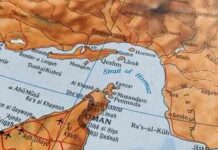
Iran’s top command, through the Katam al‑Anbia Central Headquarters, has issued harsh warnings, claiming full sovereignty over the Strait of Hormuz and threatening a rapid and forceful military response if its demands are ignored. Gulf countries and the United States have rejected Iran’s push for transit fees on shipping through the strait, keeping a core dispute alive even as the bombers leave Britain. Lebanese politics and the role of the group Hezbollah are also listed among unresolved ceasefire points, which means the wider regional conflict is far from settled.
Is This De‑escalation, Retreat, or Just Repositioning?
Many headlines frame the exit as “after Iran war deployment,” hinting at de‑escalation, but the U.S. military has not publicly explained why the bombers were pulled. Commentators note that the Pentagon still can send B‑52, B‑1, and B‑2 bombers from bases in the continental United States, so America’s ability to strike Iran has not truly shrunk. One analysis even says the United States “failed to achieve decisive outcomes through force,” suggesting critics will spin the withdrawal as backing down after an inconclusive campaign.
🇺🇸 U.S. PULLS B-52 BOMBERS FROM UK BASE AFTER IRAN MISSION
A fleet of six U.S. Air Force B-52 Stratofortress strategic bombers has departed RAF Fairford in the United Kingdom, concluding a high-tempo deployment that coincided with the recent U.S. strikes on Iran.
The withdrawal… pic.twitter.com/p8hY0of4qn
— Mossad Commentary (@MOSSADil) July 2, 2026
Iranian state‑linked media are already claiming that “Iran won the war against the U.S.” and pointing to the bomber departure as proof that Washington blinked first. Social posts and videos describe President Trump as “spooked” by Iran’s threats, feeding a story that the administration is reacting out of fear instead of following a clear plan. On the other side, some defense reports stress that bombers remain in Europe and can launch from afar, supporting a counter‑story that this is a tactical pivot, not surrender.
Why This Matters for Americans Who Feel the System Is Failing
For many Americans, this bomber shuffle looks like more of the same pattern: big, dangerous deployments in far‑off wars, followed by sudden, unexplained drawdowns that ordinary citizens never get a straight answer about. Research on past troop withdrawals shows how leaders and media can frame the same move as either smart diplomacy or an enemy victory, shifting public opinion by double‑digit percentages. That framing game lets elites protect their image while regular people are left confused about what was achieved and at what cost.
Conservatives upset about endless wars and liberal “globalism” see another case where Washington spends billions projecting power but cannot deliver clear wins or lasting security. Liberals worried about “America First” and growing inequality see the military muscle flexed abroad while basic needs at home go unmet, reinforcing their sense that foreign policy serves the powerful first. Both sides can agree on one thing here: the government moves nuclear‑capable bombers in and out of Europe, risks a war with Iran, and then offers almost no honest explanation to the public when the plan suddenly shifts.
From Hard Power to Quiet Deals?
Defense studies argue that the United States has been slowly shifting in some regions from hard military power toward more quiet diplomatic tools, especially when long wars fail to deliver clear victories. The end of the B‑52 deployment from Britain could fit that pattern, with Washington looking for an off‑ramp from a dangerous showdown while keeping strike options in reserve. But without open records on the Doha talks or a clear statement from the Department of Defense, citizens are asked to trust a system that many already see as serving insiders more than voters.
Sources:
19fortyfive.com, artsakh.news, twz.com, af.mil, youtube.com, facebook.com, instagram.com, time.com, brookings.edu, iss.europa.eu, cfr.org, defensepriorities.org