As Winter Storm Fern looms large, a state of emergency threatens to cripple essential services, exposing vulnerabilities in our preparedness.
Story Highlights
- Winter Storm Fern prompts widespread states of emergency across the U.S.
- Store shelves are being emptied as panic buying spreads.
- Utility companies brace for potential outages and infrastructure stress.
- Governors urge residents to prepare for possible extended isolation.
Panic Buying as Winter Storm Approaches
As Winter Storm Fern approaches, a wave of panic buying has swept across the United States, emptying store shelves of essentials. With the storm expected to affect up to two-thirds of the country’s population, residents from the South to the Northeast are scrambling to secure necessities. Grocers and hardware stores report shortages, particularly in food, water, and storm supplies. This consumer behavior, reminiscent of previous emergencies, underscores the public’s heightened anxiety over potential disruptions.
In response to the storm’s impending arrival, several state governors have declared states of emergency. These declarations empower officials to mobilize resources and coordinate responses to the anticipated extreme weather. Governors have urged residents to prepare for extended periods without power and limited mobility due to dangerous road conditions. This proactive stance reflects lessons learned from past disasters, highlighting the importance of preparedness in safeguarding public safety.
Winter storm hits 40 states as polar vortex sends temperatures to -50°F
14 states declare state of emergency from Texas to New York
2,300+ flights canceled, widespread power outages expected from ice
Canada also in deep freeze, the 🅱️iggest North American storm in years pic.twitter.com/ufycF7M4nl
— Boi Agent One (@boiagentone) January 23, 2026
Utility Companies Prepare for Infrastructure Stress
Utility providers are on high alert as Winter Storm Fern threatens to test the resilience of power grids across affected regions. CenterPoint Energy in Houston, with over 3,300 employees mobilized, asserts that the system is stronger following improvements made since the 2021 Texas freeze. However, concerns remain about ice accumulation and the potential for power outages, particularly in the South and Southeast. Louisiana has deployed 5,000 power line workers as part of their emergency response strategy.
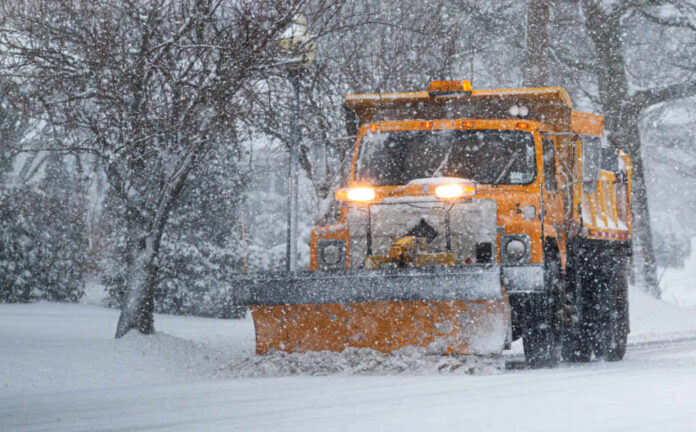
Transportation departments are pre-treating roads with salt brine to mitigate ice formation. Crews in states from Oklahoma to North Carolina are working tirelessly to ensure roads remain passable. Despite these efforts, officials caution that travel could become treacherous, urging residents to stay home once the storm hits. This coordinated approach aims to minimize disruptions and protect public safety during the storm’s peak.
Impact and Future Implications
The short-term impacts of Winter Storm Fern include potential supply chain disruptions, transportation paralysis, and power infrastructure stress. Retailers face inventory depletion, while utility companies brace for challenges posed by extreme weather conditions. In the long term, the economic costs could rival those of hurricanes, with significant implications for infrastructure repair and insurance claims. The public health risks associated with prolonged outages and extreme cold further underscore the storm’s potential severity.
Beyond immediate concerns, the storm’s scale and the response effort may set new benchmarks for emergency preparedness and inter-state collaboration. As communities brace for impact, the lessons learned will likely shape future strategies for dealing with large-scale weather events. The emphasis on preparedness, infrastructure resilience, and public safety will continue to guide policy decisions in the face of natural disasters.
Sources:
Business Insider: Winter Storm Fern Snowstorm Preparation Photos
AOL Lifestyle: Grocery Stores Face Empty Shelves
Christian Index: Huge US Winter Storm to Bring Crippling Snow, Sleet, and Ice