Russia’s FSB launches a criminal probe against Telegram founder Pavel Durov, accusing him of enabling terrorism—a stark reminder of how governments worldwide crush free speech under the guise of security, much like the censorship battles conservatives fought against Big Tech overreach.
Story Snapshot
- Russian FSB opens criminal case against Durov on February 24, 2026, for Telegram’s alleged role in 153,000 crimes, including deadly attacks.
- Telegram ignored over 150,000 content removal requests since 2022, prompting 55% speed throttling to force users to state-controlled Max app.
- Durov calls charges politically motivated to suppress dissent and impose surveillance, echoing global threats to privacy and liberty.
- Actions target Telegram’s uncensored channels popular for opposition voices amid Kremlin fears of protests and mobilization.
FSB Accusations and Criminal Probe
Russia’s Federal Security Service announced on February 24, 2026, a criminal investigation into Pavel Durov for facilitating terrorism via Telegram. State media reports link the app to 153,000 crimes since 2022, including the March 2024 Crocus City Hall attack that killed 145, assassinations of Darya Dugina and General Igor Kirillov. FSB claims Telegram serves as a tool for NATO and Ukrainian intelligence operations. Roskomnadzor issued over 150,000 ignored requests for illegal content removal. This personal targeting of Durov marks escalation from past blocks.
Escalating Restrictions and Throttling Tactics
Russia throttled Telegram speeds by 55% in early February 2026, following call restrictions in August 2025. Unlike the failed 2018-2020 full block, current measures combine technical degradation with criminal charges to push adoption of the Kremlin-backed Max messenger. Max integrates state services but permits data handover to authorities, admitting insecurity for military use. Kremlin portrays Durov as foreign-influenced, justifying controls amid wartime information lockdowns post-Ukraine invasion.
Durov’s Defense and Historical Tensions
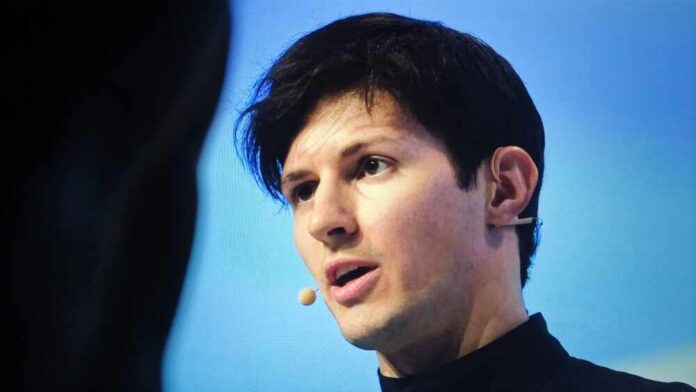
Pavel Durov, Telegram founder who fled Russia in 2014 over refusals to censor opposition on VK, rejects charges as political. He posted on X that Russia fears its people, aiming to suppress free speech and force Max usage. Durov visited Russia over 50 times from 2015-2021 amid partial reconciliation, but post-2022 invasion blocks of Facebook, Instagram, and Signal renewed clashes. His 2024 French detention led to moderation improvements, blocking 34 million groups in 2025, yet Russia presses on.
Impacts on Users and Broader Free Speech Concerns
Millions of Russian users face disrupted access, risking protests if blocks intensify; journalists and activists lose a key uncensored tool amid mobilization fears. Short-term forces Max migration, eroding privacy; long-term boosts state surveillance and sets precedents for holding CEOs liable. Conservatives see parallels to U.S. fights against government overreach and Big Tech censorship, where platforms evaded accountability. Independent analyses frame this as Kremlin speech suppression despite FSB terrorism claims.
Sources:
Russia opens criminal case against Telegram’s Durov for ‘promoting terrorism’ (Euronews)
Russia charges Telegram founder Pavel Durov with facilitating terrorism (Meduza)