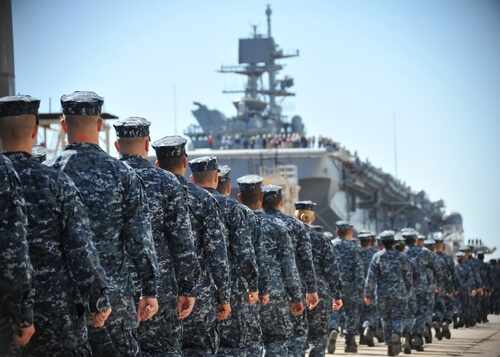
The U.S. military is preparing to seize Iran-linked oil tankers and commercial vessels in international waters within days, marking a dramatic escalation in naval confrontation that could disrupt global oil markets and spark military retaliation in one of the world’s most strategic chokepoints.
Story Snapshot
- U.S. Marine Corps preparing maritime raids to board and seize Iran-linked tankers in Strait of Hormuz within days
- Operations target vessels suspected of transporting illicit oil and weapons through international waters
- Strait of Hormuz controls 20% of global oil supply, raising concerns over price spikes and supply disruptions
- Trump administration intensifying pressure on Iran’s shadow fleet evading sanctions through “ghost tankers”
Trump Administration Readies Aggressive Naval Interdiction
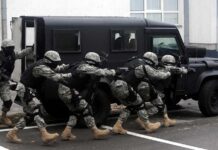
The Wall Street Journal reported on April 18, 2026, that U.S. military forces are preparing to board Iran-linked oil tankers and seize commercial ships in international waters, focusing on vessels transiting the Strait of Hormuz. Anonymous U.S. officials confirmed the Marine Corps will lead maritime raids targeting ships suspected of carrying oil or weapons as part of Iran’s sanctions-evasion operations. This represents a significant departure from routine naval patrols, signaling imminent enforcement action designed to disrupt Tehran’s illicit revenue streams and weapons proliferation networks.
Strategic Chokepoint at Center of Confrontation
The Strait of Hormuz serves as a critical transit route for approximately 20 percent of the world’s oil supply, making it a perpetual flashpoint in U.S.-Iran tensions. Iran has historically threatened to close the strait during periods of heightened conflict, most notably during tanker seizures in 2019 involving British-flagged vessels. The current U.S. preparations build on decades of naval operations in the region, including the 1980s Tanker War during the Iran-Iraq conflict. Iran allegedly operates a shadow fleet of “ghost tankers” that conduct illicit oil exports under sanctions, creating an ongoing cat-and-mouse game with Western enforcement efforts.
Economic and Military Risks Escalate
The planned interdictions carry substantial short-term risks, including immediate disruption to tanker traffic and potential retaliatory actions by Iran against commercial shipping or U.S. military assets. Oil importers, exporters, and shipping firms face heightened seizure risks and insurance costs, while Gulf states confront renewed security concerns in their territorial waters. Economists warn that any confrontation in the strait could trigger oil price volatility affecting consumers worldwide. Politically, the operations reinforce the Trump administration’s maximum-pressure campaign against Iran while testing the limits of international maritime law regarding seizures in international waters.
Questions Remain Over Operational Scope and Legal Authority
Despite the Wall Street Journal’s reporting, no official Pentagon confirmation has been issued, leaving critical details uncertain. The reliance on anonymous officials raises questions about operational security and the potential for diplomatic objections from nations whose flagged vessels might be targeted. The legal framework for seizing commercial ships in international waters remains complex, particularly regarding evidence standards for establishing Iran linkages. While U.S. naval superiority in the region is unquestionable, the absence of public justification leaves room for international criticism. This operation reflects growing frustration among Americans who see government action against foreign adversaries as necessary but question whether such confrontations serve ordinary citizens or merely advance the agendas of defense contractors and Washington power brokers invested in perpetual Middle East entanglements.
U.S. MILITARY PREPARES TO BOARD IRAN-LINKED SHIPS IN COMING DAYS, OFFICIALS SAY- WSJ
— CGTN America (@cgtnamerica) April 18, 2026
The coming days will reveal whether these preparations translate into actual seizures and how Iran responds to what Tehran will certainly characterize as piracy. For Americans already struggling with inflation and economic uncertainty, the prospect of renewed Middle East tensions threatening energy prices represents yet another consequence of decades-long foreign policy decisions made by elites disconnected from Main Street concerns. Whether justified by national security imperatives or driven by geopolitical gamesmanship, the boardings underscore the enduring reality that working families ultimately bear the costs of Washington’s conflicts through higher prices at the pump and the risk of broader military escalation.
Sources:
Fortune – US military prepares to board Iran-linked ships in coming days
Times of Israel – US readying to start boarding Iran-linked ships in the coming days