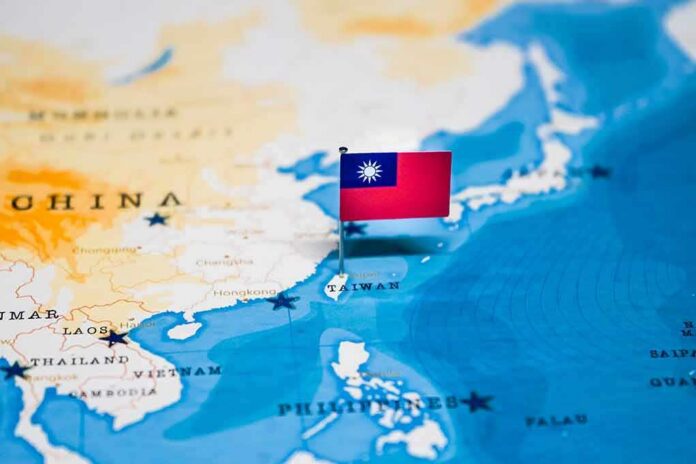
China’s new coast guard patrols east of Taiwan are turning routine “law enforcement” into a quiet test of who really controls key Pacific waters.
Story Snapshot
- China says its coast guard is doing routine law-enforcement patrols east of Taiwan, not military moves.
- Taiwan is shadowing the ships and calling the operation a political push to expand Beijing’s control.
- The patrols are happening in waters important for global trade and for any future U.S. or allied support to Taiwan.
- Analysts warn this “new normal” at sea shows how a crisis could start without a single shot being fired.
China’s Coast Guard Moves East of Taiwan
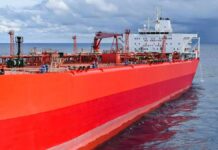
China’s coast guard has begun regular patrols in waters east of Taiwan, describing them as routine law-enforcement operations under China’s jurisdiction. Chinese spokesmen say the Xiushan ship group has taken over from an earlier Daishan formation to keep enforcing what Beijing calls navigation order and safety in the area. One patrol saw the ships drifting more than 150 nautical miles east of Lanyu, also known as Orchid Island, while Taiwan’s coast guard tracked them closely and reported their positions. China frames these actions as protecting fishermen and shipping, not as military pressure.
Taiwan strongly rejects this explanation and says China has no right to enforce laws in these waters. Taiwan’s coast guard has deployed its own vessels to sail alongside and monitor the Chinese ships, aiming to show the area is not uncontested. Officials in Taipei argue that the patrols are really about expanding China’s reach and testing how far it can push without open conflict. They see this as part of a larger pattern in which Beijing uses civilian or law-enforcement ships to make new claims at sea instead of sending warships.
Taiwan’s Response and Rising Regional Alarm
Taiwan’s defense and coast guard leaders have called the patrols east of the island a “provocative act” and a political operation. During an earlier surge in June, Taiwan’s coast guard said it had “expelled” Chinese vessels from restricted waters, and later confirmed those ships had left and were heading east. Taipei now regularly shadows the Chinese patrols and has even invited foreign lawmakers to ride along on its own coast guard vessels, hoping to show allies what Chinese pressure looks like up close. These steps reflect deep concern that what starts as “law enforcement” could evolve into a blockade-style squeeze.
Western governments are paying attention as well, because these same waters are key routes for Pacific trade and for any support to Taiwan in a crisis. Officials in the United States, Britain, France, and Germany have all expressed alarm over the new patrol pattern and the way it shifts the focus from Taiwan’s crowded western Strait to its eastern lifeline. Analysts say China is signaling a “new normal” in which its coast guard will continue operating between roughly 70 and 120 nautical miles off Taiwan’s east coast, inside the island’s claimed exclusive economic zone. That raises questions about who sets rules in these sea lanes that carry energy, food, and manufactured goods for many countries.
Gray-Zone Pressure and What It Means for Ordinary Americans
Experts describe these patrols as part of China’s “gray-zone” tactics, where it uses coast guard and other non-navy ships to apply steady pressure without crossing the line into open war. On June 1, for example, a China Coast Guard formation sailed about 52 nautical miles southeast of Lanyu and, for the first time, openly claimed “law enforcement” powers in Pacific waters near Taiwan. Soon after, China’s Ministry of Transport ran a “special maritime traffic enforcement” operation across more than 1,000 nautical miles, hailing 198 ships and demanding crew and destination information, while surveying undersea cables. Taiwan’s foreign ministry called this “illegal enforcement,” saying Beijing was trying to turn open seas into its own controlled zone.
In response to the China Coast Guard (CCG) claiming today (31st) that the "Xiushan Fleet conducted routine law enforcement patrols in waters east of Taiwan," Taiwan’s Coast Guard Administration (CGA, the Taiwan Coast Guard) has dispatched the Taipei and other vessels to maintain… pic.twitter.com/LvitItndvI
— CoastGuardTW (@CGAOAC118) July 31, 2026
For Americans watching from home, this can feel far away, but it touches many of the same worries people have about unaccountable power and creeping control. When one country starts checking papers on passing ships in contested waters and calling it “routine,” it looks a lot like government overreach at sea. These routes carry goods that feed into U.S. supply chains, energy prices, and the cost of living, which families on both the left and the right already feel. If gray-zone moves in the Pacific raise shipping risks or insurance costs, everyday Americans could see those pressures show up later at the gas pump and the grocery store.
Competing Claims, Unclear Rules, and the Risk of Miscalculation
China’s official language focuses on sovereignty and maritime rights, not on military threats, which lets Beijing argue it is simply enforcing its laws. At the same time, none of the public reporting so far shows a widely accepted legal basis for China to police waters east of Taiwan in this way. Taiwan describes much of the area as within its own exclusive economic zone and says any Chinese law-enforcement there is a violation. This clash of narratives turns basic issues—like who can talk to a passing cargo ship or survey cables on the seabed—into tests of control.
That is where small steps can snowball. A radio demand for ship data, a claim of “routine patrols,” or a warning from Taiwan’s coast guard might not sound dramatic, but together they build a new normal that changes facts on the water. If a collision or misunderstanding occurs during one of these patrols, it could drag in allies and spike tensions fast, even though no one planned a war. Many Americans already feel that distant elites play power games while ordinary people pay the price. This east-of-Taiwan standoff is another reminder that quiet moves on a map can shape energy costs, supply chains, and security far beyond Asia.
Sources:
insiderpaper.com, aljazeera.com, reuters.com, nytimes.com, dw.com, youtube.com, taipeitimes.com, english.aawsat.com