Russian spies plotted a fake assassination on Viktor Orbán to rig Hungary’s election, exposing Moscow’s desperate grip on its EU puppet amid President Trump’s strengthening NATO stance.
Story Highlights
- Russia’s SVR proposed “Gamechanger” fake attack on Orbán to boost his failing polls before April 12, 2026, vote.
- Authenticated SVR document obtained by European intelligence reveals shift from economic woes to security fears.
- Orbán’s Fidesz trails Péter Magyar’s Tisza Party; no attack executed, Kremlin calls it disinformation.
- Deep Russia-Hungary ties via energy deals threaten EU/NATO unity, echoing globalist overreach conservatives oppose.
SVR’s “Gamechanger” Proposal Details
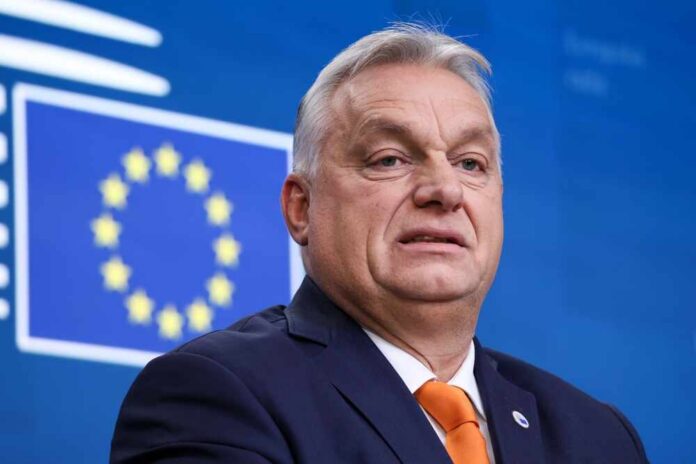
Russia’s SVR Foreign Intelligence Service drafted the “Gamechanger” plan in February 2026. Operatives noted 52.3% nationwide dissatisfaction with Orbán, rising to 50.8% in Fidesz rural bases. The internal document, authenticated by a European intelligence service, targeted Directorate MS for active measures. It aimed to stage a fake assassination attempt on Hungarian Prime Minister Viktor Orbán. This would pivot the April 12 parliamentary election from economic failures and corruption to national security themes. The Washington Post revealed the plot on March 21, 2026. No execution occurred, protecting democratic processes.
Orbán’s Moscow Ties Fuel the Plot
Viktor Orbán’s Fidesz party has ruled Hungary since 2010, building energy deals with Russia despite EU sanctions after the 2022 Ukraine invasion. These ties position Hungary as Moscow’s foothold in NATO and the EU, securing veto power on key decisions. EU subsidy cuts over democratic backsliding worsened Hungary’s economy, fueling voter discontent. Challenger Péter Magyar’s Tisza Party leads polls with an anti-corruption platform. Russia backs Orbán through social media portraying him as a sovereignty defender while smearing Magyar as a Brussels puppet.
Election Interference and Denials
Hungary banned three Ukrainians on March 19, 2026, for alleged threats against Orbán’s family, heightening security rhetoric. The plot story broke days later, prompting Kremlin spokesman Dmitry Peskov to dismiss it as disinformation. Orbán’s office labeled it pro-Ukrainian propaganda. Ex-Hungarian intelligence officer Andras Telkes described Fidesz panic, stating Russians would do anything to keep Orbán in power. European officials confirm ongoing Russian operations, including hacks and GRU arrivals, undermining EU cohesion.
Precedents include Hungarian plans to seize Ukrainian assets and briefings to Russian Foreign Minister Lavrov. These actions signal hybrid warfare tactics that erode national sovereignty, much like the globalist schemes President Trump dismantled at home.
Implications for Europe and America
Short-term, the unexecuted plot intensifies scrutiny on election meddling as Orbán trails in polls. Long-term, it spotlights Russia-Hungary energy dependence, risking further EU sanctions and NATO distrust. Hungarian voters face disinformation barrages; Tisza candidates endure smears. This weakens Western unity against Russian aggression, a threat President Trump’s policies counter by prioritizing American interests and strong alliances. Conservatives see parallels to past overreach, urging vigilance against foreign influence in free elections.
Sources:
Russian intelligence plotted fake attack on Orbán to sway election campaign
Russian intelligence planned fake assassination attempt on Orban
Russia planned spoof hit on Orbán as election gamechanger
Hungarian government denies WP article on Russia’s plans to stage assassination attempt on Orban