Vice President JD Vance publicly blamed the Iran war for Republicans losing both chambers of Congress, spotlighting a rift inside the party over why voters turned away.
Story Snapshot
- Vance said Republicans lost Congress because of the Iran war and voter backlash.
- President Trump called Vance’s explanation “largely true” while defending the war’s necessity.
- Ted Cruz countered that the top reason was cost of living pain facing working families.
- Both views reflect a broader fight over the party’s direction ahead of 2028.
What Vance Said And Why It Matters
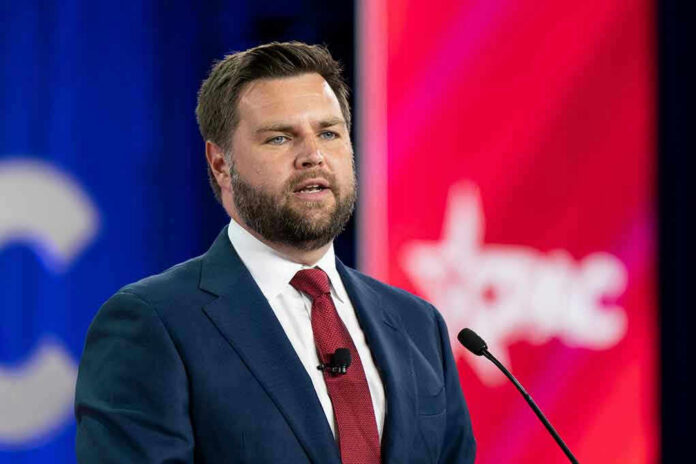
On November 4, Vice President JD Vance posted that “the reason we lost is the war,” tying Republican defeats to the Iran conflict. He said pollsters told him that many 2024 Trump-Vance voters switched to Democrats in 2026. He warned that supporting the war meant accepting long-term losses in the Senate. President Trump said the claim was “largely true,” but he also said the conflict was necessary and that he would choose it again.
Vance’s message reached beyond blame. He linked a foreign policy choice to a measurable political cost. That framing resonated because the party lost control of both the House and the Senate. The claim also exposed strain inside the administration. It endorsed a hard lesson on voter anger while keeping faith with a policy many on the right still back. That tension set off a new round of soul-searching among Republicans.
Cruz’s Counter: It’s The Cost Of Living
Senator Ted Cruz offered a different diagnosis. He said voters were most upset about the cost of living. He listed groceries, gas, insurance, and energy bills as top concerns. He cited figures saying about thirty percent of voters picked those costs as their number one issue. He argued that tariffs and the Iran war made prices worse, but that everyday affordability drove the turn against Republicans this year.
Cruz urged Republicans to rebuild around policies that lower prices fast. He pointed to pressure on blue-collar, rural, young, Hispanic, and evangelical voters. He warned that people are falling behind, with signs like high gas prices and rising repossessions. He said the party must deliver visible gains that working families can feel, not just talk about growth numbers or culture fights that do not cut a bill at home.
What The Evidence Can And Cannot Prove Right Now
Vance’s claim rests on an election-night post and unnamed pollsters. The reports do not identify the firms, methods, or crosstabs. That leaves open how much the war, versus other issues, moved votes. Still, his remark tied directly to the loss of both chambers and to President Trump’s partial agreement, which makes the war factor hard to dismiss entirely. The evidence is real, but it is not complete or conclusive by itself.
Cruz’s case relies on public statements, a podcast episode, and media summaries. His focus on prices aligns with what many families feel. It also matches a long record that midterms often punish the president’s party during times of economic stress. But Cruz’s specific figures and rankings come through secondary outlets, not a released data set. His argument is plausible and concrete, yet still needs detailed, public backing.
Why This Fight Resonates Beyond Party Lines
Many Americans see a government that struggles to listen and deliver. War can feel distant until costs show up at the pump or in the grocery aisle. Vance links foreign policy to ballot-box pain. Cruz centers the wallet and weekly bills. Together, they show how choices in Washington flow into kitchen-table life. Both sides also hint at a larger worry: leaders pursue big moves, but regular people pay, and then get told to wait longer for relief.
Pete Hegseth is beginning to look like Donald Trump's sacrificial offering following the Republican midterm catastrophe. With JD Vance openly blaming the Iran war for the defeat, the political temptation is obvious: dismiss the Defence Secretary, blame the execution of the war… pic.twitter.com/CwimUJFpCr
— Mark Lambert (@sitsio) November 6, 2026
The path forward likely runs through proof, not posture. That means releasing polling and district data that test war attitudes against vote shifts. It means measuring price trends where Republicans fell hardest. It also means clear goals voters can track: lower gas prices by a set target, faster permitting for energy, or a plan to end the conflict. Voters across the spectrum will judge by results they can see and bills they can pay.
Sources:
facebook.com, bbc.com, politico.com, people.com, lemonde.fr, dallasnews.com, cleveland.com, ca.news.yahoo.com, wfmd.com, mynews4.com, foxnews.com, detroitnews.com