Michigan Senate candidate Abdul El-Sayed turned Dolly Parton’s death into a campaign talking point about “poverty” and “inequality,” and country music fans are not having it.
Quick Take
- Abdul El-Sayed, the Democrat running for Senate in Michigan, posted a tribute to Dolly Parton hours after her death that framed her legacy around poverty and inequality.
- He quoted her song “Coat of Many Colors” right after making the political point, drawing accusations that he used her death to score points.
- Critics across conservative media, including RedState and Townhall, say El-Sayed barely knows Parton’s music and exploited her passing for attention.
- President Trump ordered flags flown at half-staff for a week to honor Parton, a stark contrast in tone that made El-Sayed’s post stand out even more.
El-Sayed Frames Country Icon’s Death Around Politics
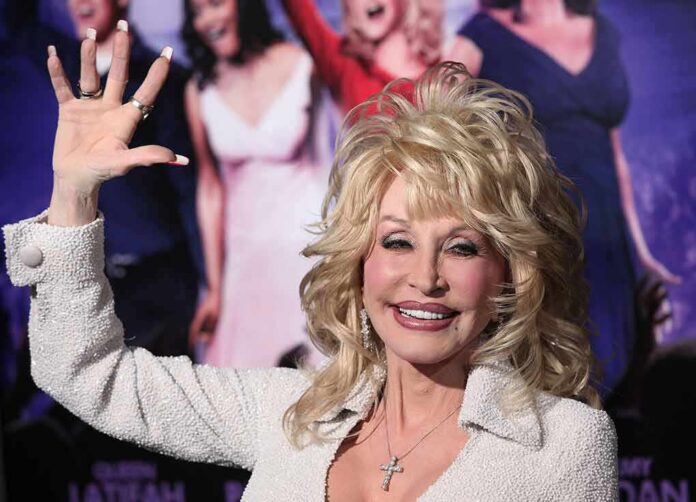
Dolly Parton died on August 25, 2026, at age 80, and tributes poured in from fans, celebrities, and lawmakers across the political spectrum. Abdul El-Sayed, the Democrat nominee for Senate in Michigan, posted his own tribute on social media that same day. Instead of simply honoring her music or her generosity, he chose to frame her legacy through the lens of “poverty, inequality, and struggle.”
El-Sayed wrote that Parton “used her gift for music to highlight the challenges of poverty, inequality, and struggle in ways that uplifted and inspired working people.” He followed that line with a quote from her classic song “Coat of Many Colors,” a track about growing up poor in the Smoky Mountains. Fox News and other outlets confirmed the post’s wording and structure, noting he paired the political framing directly with the lyric quote.
Critics Call It a Political Stunt
The backlash came fast. RedState reported that El-Sayed “used her passing for a political point,” pointing out that most Americans simply mourned Parton without turning her death into a talking point about economic inequality. Townhall went further, questioning whether El-Sayed had ever actually listened to a Dolly Parton song before deciding to use her death to boost his Senate campaign. The post was widely ratioed on social media, with users online mocking the attempt.
Yahoo Entertainment covered the fallout too, noting that while millions of Americans shared heartfelt tributes to the country legend, El-Sayed instead found himself facing criticism for what many called a politicization of her passing. The pattern fits a broader trend where public figures try to attach a celebrity’s death to their own political message, only to get called out for it by voters who see through the move instantly.
Contrast With Trump’s Simple Tribute
President Trump took a very different approach. He ordered flags flown at half-staff for a week to honor Parton, a gesture of respect that made no mention of politics, policy, or campaign messaging. The contrast between a president honoring a beloved American icon with quiet dignity and a Senate candidate using her death to talk about inequality did not go unnoticed by conservative commentators and everyday country music fans alike.
Parton spent decades avoiding partisan politics on purpose, choosing instead to unite fans from both parties through her music and her charity work. That is part of why her death drew such a broad wave of genuine mourning from Republicans and Democrats alike. El-Sayed’s decision to inject economic grievance messaging into that moment struck many as tone-deaf at best and calculated at worst.
This is not the first time El-Sayed has drawn scrutiny for public comments that seem out of step with mainstream American sentiment. Past resurfaced remarks, including a video where he asked viewers to find alternatives to Fourth of July fireworks, have added to a growing file conservatives are building on the candidate ahead of his Senate bid. Michigan voters now have another data point to weigh as they decide who deserves their trust in the ballot box this cycle.
Sources:
redstate.com, the-express.com, x.com, abcnews.com, foxnews.com