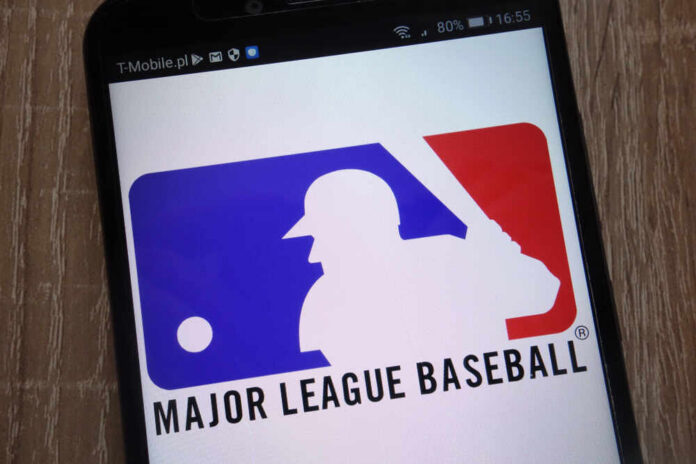
Missouri’s top law officer just warned Major League Baseball: punish players for their faith over Pride promotions, and the state will act.
Story Highlights
- Missouri Attorney General Catherine Hanaway demanded MLB avoid disciplining players who decline Pride items on religious grounds [3].
- Hanaway set a June 25, 2026 response deadline and threatened investigation if MLB does not comply [2][5].
- Senator Josh Hawley also pressed MLB over reported warnings tied to Bible verses on Pride-themed caps [18].
- MLB points to neutral uniform rules when confronting messages on equipment, complicating the dispute [12].
Missouri Attorney General’s Demand to MLB
Missouri Attorney General Catherine Hanaway said Missouri law bars discrimination based on religion and told Major League Baseball not to punish players who refuse Pride involvement due to sincerely held beliefs. She stated her office will act if the league does not comply. Her public message pressed a clear line: players should not face discipline for faith-driven choices. Hanaway’s warning put MLB on the clock and signaled possible legal action if players are coerced for declining Pride items [3].
The attorney general followed with a deadline. Reports say she gave MLB until June 25, 2026 to confirm it will not discipline players who refrain from Pride paraphernalia. Her office said it would open an investigation if the league fails to answer by the deadline. The move elevates the dispute beyond social media into potential enforcement. A formal inquiry could examine any policy that pressures players to adopt messaging they do not share on religious grounds [2][5].
Why Religious Accommodation Claims Matter Legally
Federal guidance explains that employers violate Title Seven of the Civil Rights Act when they coerce workers to abandon or alter religious practice to keep job benefits or avoid discipline. That rule has long applied in disputes over uniforms, symbols, and compelled speech. The key test asks whether a rule is truly neutral and needed for operations, or a pretext to pressure belief. Hanaway’s stance leans on that line: neutral rules are fine, but forced ideology is not [22].
Professional sports often sit at this fault line. Leagues control uniforms and on-field conduct to keep order. Players increasingly express faith in public ways. When those worlds clash, courts look for evenhanded enforcement. If a rule targets all messages and is applied the same way to everyone, it may stand. If it singles out religious expression or punishes refusals to promote a cause, it risks violating anti-discrimination protections and state law claims like those Hanaway raised [22].
MLB’s Uniform Rules And The Pride Controversy
Major League Baseball has long enforced uniform standards. Industry guides note bans on unauthorized writing or add-ons to gear, along with requirements that team uniforms match. These rules aim to protect safety, limit distractions, and keep a consistent look. MLB has cited such neutral standards when addressing words written on hats or equipment. That defense, if applied evenly, could weigh against claims of targeted religious punishment [12].
Missouri’s challenge arrives as pressure on MLB grows. Senator Josh Hawley asked Commissioner Robert Manfred to explain reported warnings issued after players referenced Bible verses on Pride-themed caps. Hawley framed the pattern as bias against Christians and demanded answers. His letter increases scrutiny on whether enforcement has been neutral or selective. If warnings or discipline fall harder on faith expression, MLB’s position will be weaker under both federal and Missouri scrutiny [18].
What To Watch Next For Players And Fans
MLB’s written reply to Missouri is the next key step. A clear pledge not to punish players who decline Pride gear on religious grounds could cool tensions. If the league insists on strict uniform rules, it must show even enforcement across all causes and messages. Missouri can open an investigation if answers fall short. Fans should expect more states and lawmakers to press the same questions as teams roll out cause-based promotions this season [2][5][22].
Why This Matters To Constitutional Conservatives
Faith is not a slogan; it is a core freedom. Many fans want politics out of sports, and they reject pressure that forces players to wear messages they do not believe. Neutral, consistent rules are acceptable. Compelled speech is not. Hanaway’s push defends space for conscience without attacking baseball. That approach fits limited government and individual liberty: let players play the game, keep promotions optional, and stop punishing people for living their faith [3][22].
Sources:
[2] Web – Attorney General Hanaway Files Suit Against MSHSAA for Race …
[3] Web – Missouri attorney general calls on MLB not to discipline players over …
[5] Web – Catherine Hanaway – Republican Attorneys General Association
[12] Web – A guide to rules changes in MLB (and sports) history
[18] Web – Senator Josh Hawley demands answers from MLB on ‘pattern of …
[22] Web – When Prejudice Is Low, Religion Makes the Difference