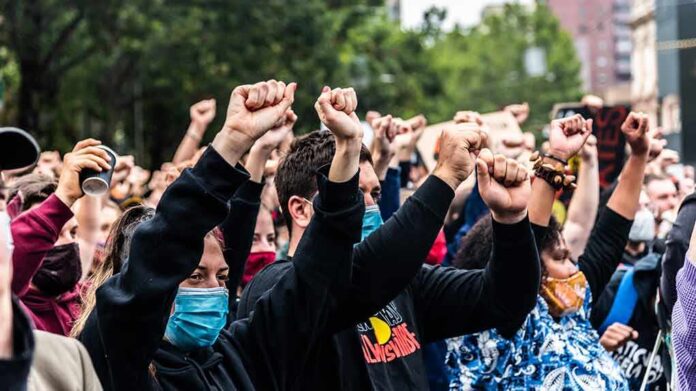
As schools reopened across France, students again filled the streets, saying broken buildings and thin staffing make learning unsafe and unfair.
Story Snapshot
- Students blocked schools and rallied nationwide over staff shortages and decaying facilities.
- Police clashed with protesters amid thousands of arrests and hundreds of injuries reported since late September.
- The government announced new teachers, smaller classes, and loans for renovations, but unrest continued.
- United Nations experts and rights groups warned about excessive force used on minors in the protests.
What Sparked The Renewed Street Protests
Student unions said Monday’s school reopening brought fresh blockades and marches over a “lack of teachers and staff, dilapidated schools, overcrowded schedules and classrooms”. Demonstrations began in September around Paris and spread nationwide as videos of crumbling buildings and packed classes drew support. Associated Press reporting described schools with failing infrastructure and thin staffing, especially in low-income areas, fueling a sense that the system is not meeting basic promises to students.
French officials faced a rolling wave of unrest tied to school conditions and costs. The Associated Press tallied large rallies, campus disruptions, and damage that forced temporary closures at some sites. As marches grew, the country’s education debate widened to touch inequality and access, with students arguing that place of birth still shapes school quality. That claim matched international data showing many principals reported that missing staff and weak facilities hinder instruction.
Government Concessions And The Policy Gap
The government moved to calm tensions with new measures. Education leaders pledged to cancel hundreds of planned job cuts and add 500 high school teaching posts, cap some classes at 28 students, offer billions of euros in loans for renovations, and rework the university admissions system. Officials also said unfilled teaching jobs had dropped by more than half over the past year, pointing to progress in hiring and placement across secondary schools.
Teachers’ groups and student leaders called the steps too small and too slow, keeping pressure on President Emmanuel Macron’s team. Reuters reported unions argued that class caps and loans would not quickly fix shortages or the worst buildings, where students study in crowded or temporary rooms. Protesters vowed more actions, saying timelines, staffing guarantees, and equitable upgrades remain unclear or uneven across regions, especially in poorer suburbs.
Police Response, Rights Concerns, And Public Trust
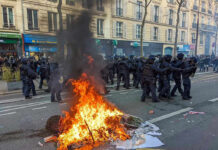
Police used tear gas and force to clear some blockades as weekend crowds surged. The New York Times counted hundreds of injuries among police, school workers, and students by early October, with arrests climbing as demonstrations spread. United Nations experts condemned what they called excessive force and mass detentions of mostly minors, urging a proportionate response consistent with a nation governed by the rule of law. Human Rights Watch also flagged heavy-handed policing of high school protests.
French government warns vs school blockades as protests resume
BRUSSELS – The French government urged students on Monday not to block schools as student and high school organizations resumed demonstrations after a two-week holiday break, despite concessions announced last week… pic.twitter.com/orieoPqWe4
— Philippine News Agency (@pnagovph) November 2, 2026
These clashes sharpened a familiar debate in France: how the state balances order with the right to protest. When students see shields and batons meet demands for safe classrooms, trust erodes further. For many Americans watching, the pattern is recognizable. People on the right and left both suspect that big systems protect themselves first. When officials respond faster to blockades than to broken boilers, citizens feel ignored—and that fuels more unrest, not less.
Why This Matters Beyond France
France actually spends a large share of national income on education, above many peers, yet many schools still report staff and building gaps that disrupt learning. That mix shows money alone does not fix complex systems. It also shows how uneven results hit working families hardest. Americans face similar frustrations with public services. When leaders promise reform but delays persist, people lose faith in institutions and start looking for change in the streets, not the ballot box.
What To Watch Next
Students signaled they will keep marching until they see visible change at their schools: staffed classrooms, safe buildings, and clear timelines. The government will try to show quick wins by placing new hires, launching repairs, and explaining admissions changes. The policing approach also bears close watch. If authorities reduce force and engage students directly, tensions could ease. If not, protests may grow as winter sets in, risking deeper damage to public trust and learning alike.
Sources:
youtube.com, apnews.com, nytimes.com, hrw.org, aljazeera.com