California’s governor warned federal judges that seizing ballots before certification could break state custody laws—even as federal prosecutors push to flag about 20,000 disputed registrations.
Story Snapshot
- Gov. Gavin Newsom told federal judges ballot seizures before certification could violate California law.
- A federal judge and the Ninth Circuit rejected the Justice Department’s bid to segregate disputed ballots.
- The Justice Department says more than 20,000 “likely” noncitizens were sent mail ballots and wants verification.
- California cites strict chain-of-custody rules; courts questioned the feasibility and timing of DOJ’s request.
What Newsom Told Judges And Why It Matters
Gov. Gavin Newsom sent a letter to California’s four federal district courts warning that any pre-certification seizure of ballots or election gear could violate state custody law. California Elections Code section 15551 states that election materials cannot leave the control of local officials before certain legal steps are complete, except in narrow cases set by statute. The Secretary of State’s regulations also require a documented chain of custody for ballots at every stage of the manual tally and storage process.
The governor’s office framed the letter as a precaution, not a response to a specific warrant. That choice lands amid a live federal dispute. The United States Department of Justice says federal investigators identified more than 20,000 people they consider “likely” noncitizens on California’s rolls and asked a court to prevent tabulation of those ballots until status checks are done. The department’s complaint did not show that all listed people voted unlawfully or returned a ballot.
What The Courts Have Already Said
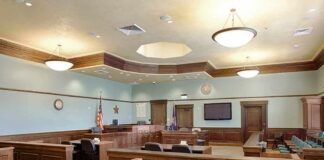
U.S. District Judge David Carter rejected the request to set aside ballots tied to the list. He wrote that the demand would run into core constitutional principles that leave elections to the states. A three-judge panel on the United States Court of Appeals for the Ninth Circuit then denied an emergency bid by the Justice Department. The majority said there was no workable way to pull out specific ballots without risking wider damage to the system.
The appellate panel also raised a red flag about timing. The judges said the government’s rush looked “at least partly” self-made, because it did not give the district court enough time to weigh the request fully. Those rulings did not end the case on the merits. They did signal that large, last-minute ballot segregation is both risky and hard to justify. That dovetails with California’s custody laws, which are designed to keep ballots secured and tracked.
The Federal Claim And Its Gaps
The Justice Department says it matched public voter data to find signals that noncitizens may have registered or voted, and it linked charges against 28 foreign nationals to the broader list. The department argues that counting ballots tied to unverified registrants could dilute citizens’ votes. But the public record shows the list labels people as “likely” noncitizens rather than confirmed cases, and some outside reviews report mismatches or U.S.-born individuals on the list. Courts often treat such large data matches with caution near counting deadlines.
Big-matching programs in elections often produce false positives because voter files lack a clear citizenship field. Researchers have warned that even low error rates can flag many names in a large state, which can sweep in eligible voters. That risk helps explain why judges pressed the government on feasibility and why California stresses supervision and custody over seizure. The path forward likely requires targeted checks that do not break chain-of-custody rules or disturb valid ballots.
What This Fight Reveals About Power And Process
This clash highlights a core American tension: federal prosecutors demand quick action in the name of integrity, while states guard custody rules to protect lawful votes. Many voters on the right worry about illegal voting. Many on the left fear heavy-handed moves that could block eligible voters. Both sides see a system that too often responds only when lawsuits land. Courts so far have told the Justice Department to slow down and avoid blunt tools that risk the count.
California Governor Gavin Newsom has warned of possible federal interference in election processes, raising concerns about potential ballot seizures under Donald Trump. The warning comes amid growing tensions over election integrity and voting rights ahead of US midterms.… pic.twitter.com/TeGw4A3Mrg
— NewsX World (@NewsX) November 1, 2026
Trust will rise only if both aims are met: find real violations and protect every lawful ballot. A practical fix exists. A court-approved, narrow protocol could allow supervised inspection or imaging of records, preserve state custody, and create a clean audit trail. That approach would test the 20,000-name claim without ripping ballots from secure hands. Until then, Newsom’s warning flags a real legal boundary, and the recent rulings show judges will enforce it when emergencies are poorly built.
Sources:
redstate.com, sos.ca.gov, nbcnews.com, cnn.com, democracydocket.com, politico.com, ktla.com