
As children clung to a narrow window ledge above a burning Tokyo school, parents everywhere saw the same nightmare — how close our systems come to failing the very kids they promise to protect.
Story Snapshot
- About 300 students and staff escaped or were rescued from a Tokyo elementary school fire, with 11 injured but no deaths reported.
- Children waited on a fourth-floor ledge as flames and smoke spread from a music room, forcing firefighters into high-risk rescues.[3]
- The incident shows both strong frontline response and serious unanswered questions about school safety planning and building risks.[2]
- Like many crises, officials are praising success while deeper details about timing, cause, and prevention remain out of public view.[1]
Fire, Ledged Children, And A Narrow Escape
Late Friday morning in Tokyo, smoke started pouring from the fourth-floor music room of Takinogawa Daisan Elementary School while class was in session.[2] About 300 students and staff were inside as the fire spread and thick black smoke filled the upper floors.[1] Some children, trapped near the music room, climbed onto a concrete window ledge to escape the smoke, waiting there as flames burned behind them and cameras rolled from the street below.[3] Parents watched online in real time, fearing they would see a tragedy.
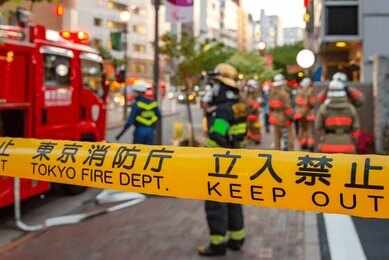
The Tokyo Fire Department sent dozens of fire engines and emergency vehicles, flooding the narrow city streets with sirens and hoses.[8] Firefighters used ladders to reach the ledge and pulled children and at least one teacher to safety, while others guided students and staff down stairwells and out to a nearby park.[1] Officials say everyone inside either evacuated or was rescued, and no one was left behind in the burning building.[2] That is the good news, and it is real.
What Went Right – And What We Still Do Not Know
Japanese news reports say firefighters rescued three pupils and one teacher who could not escape on their own, while 11 people were injured, mostly children.[3] Two pupils reportedly fell and broke bones while trying to evacuate from the music room, and others suffered from smoke inhalation before they reached safety.[3] All 11 were taken to the hospital and were reported conscious. Officials and major outlets quickly highlighted a simple story line: fast response, brave firefighters, and every child alive at the end.[2]
That story matters, but it is not the whole picture. Authorities say the fire began near or in the music room on the top floor and was put out after several hours, damaging about 200 square meters of the building.[1] The cause is still under investigation.[1] We do not yet know whether the school’s alarms worked exactly as designed, whether the building layout made escape harder, or how long children waited on that ledge before ladders reached them. Those details usually live in internal reports that the public never sees.
Frontline Heroes, Systems On Autopilot
Footage from the scene shows what we have come to expect during major emergencies: frontline workers doing all they can, while the larger system stays mostly in the shadows.[5] Tokyo firefighters train often and are known for advanced rescue methods and gear.[4] They did their job and saved lives. But like in the United States, the deeper questions are for managers and politicians, not the people on the hoses and ladders. Did leaders invest enough in prevention and drills before this fire ever started?
Children wait for rescue on classroom window ledge after fire breaks out at Tokyo primary school https://t.co/clxSxa3dff pic.twitter.com/LrvpUcDHOq
— Alma Angeles (@AlmaANET25) June 19, 2026
Japan’s fire safety culture is strong, and schools run drills from an early age.[20] Even so, children ended up stranded on a narrow ledge above a burning room, with some falling and breaking bones while trying to escape.[3] That picture looks uncomfortably familiar to Americans who watched school fires, train spills, and chemical leaks at home: public praise when everyone lives, and very little follow-through on fixing the weak spots that almost turned a close call into a disaster. People on both the left and right know that pattern well.
Why This Tokyo Fire Should Matter To Americans
Many Americans feel our own government only wakes up once the cameras arrive, then goes back to sleep when the news cycle moves on. This Tokyo school fire follows the same script: sharp images, a tidy headline about “all rescued,” and almost no public detail about response timing, building codes, or who will be held accountable if the investigation finds preventable failure.[10] That is how trust erodes, whether the system is in Washington, Tokyo, or any other capital.
Conservatives worry about bloated bureaucracies that spend big but still leave basic safety gaps. Liberals worry about underfunded schools and growing risk for children in crowded cities. Both sides can see the same thing here: families were one bad minute away from losing kids on that ledge. The outcome was a success, but only just. Unless leaders open the books on what happened, fix what went wrong, and prove it in public, people will add this fire to a long list of close calls that confirm a deeper fear — that the systems meant to protect ordinary citizens work hardest at protecting themselves.
Sources:
[1] YouTube – Children wait for rescue on window ledge as fire rages at Tokyo school
[2] Web – About 300 children and teachers rescued after fire breaks out at …
[3] Web – A fire at a primary school in Tokyo prompted the evacuation of …
[4] Web – Fire breaks out at Tokyo elementary school, injuring at least one
[5] Web – [PDF] Fire Service System of Japan
[10] YouTube – Rare Access: Inside Tokyo’s Non-Stop Fire & Rescue Operations
[20] Web – Forcible entry, Japanese style! Always interesting to see …