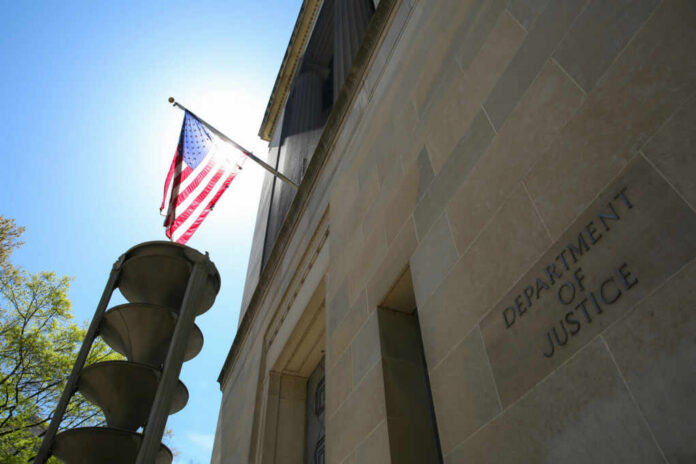
The Trump Justice Department’s push for “election integrity” is colliding head-on with a basic constitutional reality: states from both parties say Washington has no right to scoop up voters’ most sensitive personal data.
Story Snapshot
- DOJ is suing states for complete, unredacted voter registration lists that can include birthdates and partial Social Security and driver’s license numbers.
- As of Feb. 25–26, 2026, DOJ has sued 30 jurisdictions, adding five more states in a late-February escalation.
- Federal courts have dismissed multiple DOJ cases so far, and DOJ has appealed key losses in California, Oregon, and Michigan.
- Republican-led states such as Utah, Kentucky, and West Virginia are publicly pushing back, citing privacy laws and states’ rights.
What DOJ Is Demanding From the States
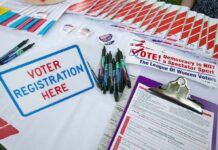
The Department of Justice has demanded full, unredacted statewide voter registration lists, saying it needs the data to evaluate whether states are properly maintaining voter rolls under federal election laws. The requests reach beyond typical public voter files into sensitive personal identifiers, including birthdates and, in some cases, partial Social Security numbers and driver’s license numbers. States say that kind of data collection raises obvious privacy and security risks for ordinary citizens.
DOJ’s legal strategy has leaned on a mix of federal authorities, including the National Voter Registration Act and Help America Vote Act, alongside a broad reading of Civil Rights Act provisions that the government argues allow access to certain election records. The key problem for DOJ is straightforward: the statutes require accurate voter rolls, but they do not clearly grant “near-automatic” federal access to the most sensitive data fields within state-maintained registration systems.
Courts Keep Slamming the Brakes on Broad Federal Access
Federal judges have already dismissed several of DOJ’s lawsuits, undercutting the idea that Washington can simply demand private voter information because it wants to “check compliance.” A California district court dismissed DOJ’s claims in mid-January 2026, and Oregon’s dismissal became final later that month. A Michigan court dismissed all claims in early February. DOJ has appealed dismissals in California, Oregon, and Michigan, keeping the fight alive.
Those early losses matter because they set the tone for the broader set of cases now pending nationwide. A Georgia case was dismissed on venue grounds in late January, prompting DOJ to refile in the proper federal district. Even where courts have not reached the merits, judges are signaling that DOJ must follow standard legal rules and cannot shortcut state privacy protections through procedural maneuvering or expansive interpretations of older federal statutes.
Bipartisan State Resistance Highlights Privacy and Federalism Concerns
The most telling political development is that resistance is not confined to blue states. As DOJ expanded the campaign in late February, it sued Utah, Oklahoma, Kentucky, West Virginia, and New Jersey, bringing the total to 30 jurisdictions. Utah officials stated that neither state nor federal law entitles DOJ to private voter information. Kentucky’s secretary of state said he would not “commit a data breach” absent a court order, framing the issue as basic stewardship of citizens’ data.
States that have declined to turn over the full unredacted lists have generally offered what they can provide legally, including versions of voter lists that are already public under state law. That split is important: it suggests the core conflict is not whether voter roll maintenance should be accurate, but whether the federal government can compel states to hand over personally identifiable information that state constitutions and statutes restrict. The pushback from Republican election officials weakens claims that this is merely partisan obstruction.
Why Conservatives Should Watch Both Election Integrity and Data Privacy
Election integrity and accurate voter rolls are legitimate concerns for many Americans, especially after years of distrust and political gamesmanship around election administration. At the same time, conservatives have long warned about centralized federal power and the risks of government data hoarding. When Washington demands sensitive identifiers in bulk, the stakes shift from “cleaning rolls” to building large databases that could be misused, leaked, or repurposed beyond the original justification.
The unresolved question is how appellate courts will balance federal oversight claims against state privacy protections and traditional state control over election administration. DOJ has signaled it will not back down, while multiple states insist they will not hand over sensitive voter information without clear legal authority. Until a definitive ruling emerges, the practical outcome is continued litigation, legal costs, and uncertainty over what data, if any, DOJ can force states to provide—and under what safeguards.
Sources:
Tracker: DOJ Lawsuits – States’ Voter Data
Trump DOJ expands voter roll crusade, sues five more states
Feds show new level of interest in voter list data
Justice Department’s security measures for collecting voter rolls are inadequate
DOJ sues 5 more states for access to voter rolls
Justice Department Sues Five Additional States for Failure to Produce Voter Rolls
Challenging Trump Administration’s Unlawful Voter Data Collection