When a rock concert ends with police warnings and a lifetime ban over one flag, it exposes how fragile free expression has become in a world run by nervous elites and rigid rules.
Story Snapshot
- Singapore banned two Massive Attack members from reentering the country after they held up a Palestinian flag and shouted “Free Palestine” during a July 29 concert.
- Police say the display may have broken laws that tightly control foreign flags and political messages at public events, and they issued “stern warnings” to the musicians.
- Massive Attack say they were “surprised and disappointed” after being detained, questioned, and having passports taken, calling the flag an impromptu show of solidarity with fans.
- The clash highlights a growing global fight over who controls political speech in public spaces — governments, corporations, or ordinary people.
What Singapore Did After The Concert
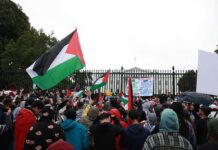
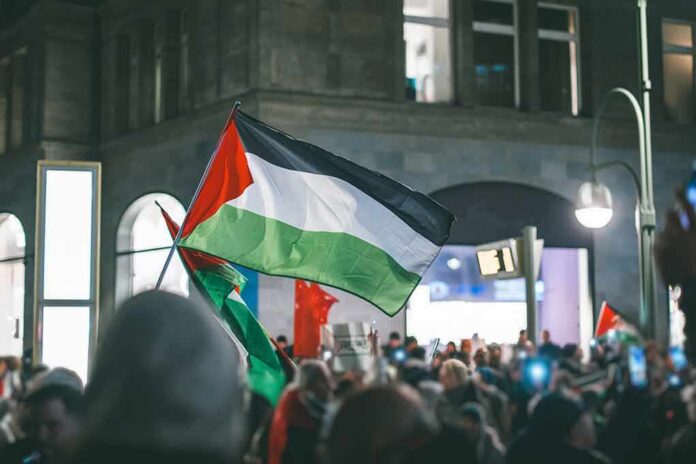
Singapore police and the media regulator reacted quickly after Massive Attack’s show at the Star Theatre on July 29. Officials say two core band members unfurled a Palestinian flag on stage and one shouted “Free Palestine,” as parts of the crowd joined in. After reviewing reports and video, police issued stern warnings to the pair and put them on a blacklist, banning them from reentering Singapore. The media regulator also said it will reject any future requests for the band to perform in the country.
Police describe the case as a possible breach of concert licence rules and national laws on public order and foreign symbols. A spokesperson told reporters the actions were being investigated under the Foreign National Emblems (Control of Display) Act and the Public Order Act, which together limit how foreign flags and political causes can be shown at public events. Authorities stressed they see such acts as a threat to racial and religious harmony, and warned both locals and foreigners not to “import foreign politics” into Singapore.
The Laws Behind The Ban
Sitting far from Washington or Brussels, Singapore is still part of the same global debate about who gets to speak and what symbols are allowed. The Foreign National Emblems (Control of Display) Act restricts public displays of foreign flags unless the person has a permit or special exemption. Reuters reports that the Palestinian flag is seen as “especially sensitive” there because of the war in Gaza and the country’s diverse, partly Muslim population. The Public Order Act adds more limits on political events and protests, including what can be shown or chanted at licensed gatherings.
Police say the concert licence itself included a clear rule: no flag displays in support of any causes. From their point of view, Massive Attack broke that condition when they raised the Palestinian flag and linked the show to a hot global conflict. Supporters of strict enforcement argue that Singapore’s tough rules are applied across many causes, and are meant to keep public spaces calm in a tense world. Critics see the same rules as a tool that lets authorities shut down speech whenever it makes powerful people uncomfortable, whether the message is about Gaza, labor rights, or something else.
How Massive Attack And Fans Responded
Massive Attack have long mixed music with political messages, from war and surveillance to climate and inequality. After the Singapore show, the band posted a statement saying they were “surprised and disappointed” to be detained, isolated, and questioned by police. They said officers searched some hotel rooms and temporarily took passports before letting members leave. The group insists they did not expect that simply holding a flag could break any law, but they also said they were proud of the impromptu expression of solidarity with fans in the auditorium.
Singapore bans Palestinian flag.
157 nations recognize it.
Where's the ban on Ukrainian flags?
400+ artists boycott Israel.
Massive Attack not alone.Justice now.#FreePalestine #NoMusicForGenocide
— Freesto 🐝 (@Yazan_Rouad) August 3, 2026
According to the band, large sections of the crowd chanted “Free Palestine” both before and after the performance, not just when the flag went up. That detail matters to many Americans who see themselves as squeezed between an unresponsive government and global crises they feel powerless to change. When a shared chant in a concert hall triggers lifetime bans and police probes, it reinforces the belief that the system protects order and image more than human lives or honest debate. For people frustrated with elites on both the left and right, Singapore’s actions look less like safety and more like control.
Why This Matters Beyond Singapore
This story speaks to a bigger shift that reaches well beyond one band and one city. Around the world, concerts and sports games have become stages for political statements, from kneeling athletes to flags and slogans about wars, borders, and justice. Governments and corporate promoters respond with rule books, licence terms, and “zero tolerance” policies. They say they are protecting safety and unity. Many ordinary people hear something else: a warning that public spaces are for consumption, not citizenship, and that only approved messages may be seen or heard.
Americans who already believe the federal government is failing them see these stories as part of the same pattern. Whether it is a foreign city-state banning a band, or domestic agencies tracking protests at home, the common thread is a ruling class that fears grassroots speech more than it fears chaos or war. Singapore’s crackdown on a flag display over Gaza will strike conservatives and liberals alike as familiar — rules written in the name of harmony, enforced in ways that sideline regular people and their conscience.
Sources:
youtube.com, variety.com, reuters.com, yahoo.com, instagram.com