

In one single week, a nationwide flight ground stop, a dead classified spy agency network, and outages at Apple, Microsoft, Chase, and United Airlines all hit America’s technology backbone at nearly the same time.
Quick Take
- A nationwide flight ground stop, a classified National Security Agency network crash, and outages at Apple, Microsoft, Chase, and United Airlines all hit within about a week.
- Federal officials, including the Director of National Intelligence, say none of the failures was a coordinated cyberattack.
- The Federal Aviation Administration blames a router problem during a copper-to-fiber upgrade; Apple and the National Security Agency point to internal updates and routine maintenance.
- Cybersecurity experts warn that aging, overloaded infrastructure — not hackers — is the real danger behind the pattern.
A Week Packed With System Failures
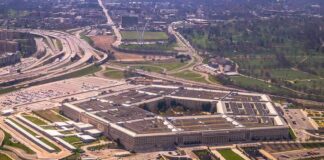
Starting in mid-November, trouble spread fast. The Federal Aviation Administration lost radar feeds and communication links at 17 of 22 Air Route Traffic Control Centers, grounding flights nationwide. Within days, Apple’s services went dark, Microsoft systems stumbled, Chase customers couldn’t access accounts, United Airlines flights were disrupted, and the National Security Agency’s internal classified network, known as NSANet, went offline for hours.
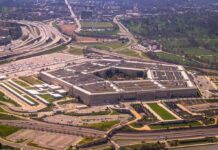
Six people familiar with the matter told the outlet Nextgov that the NSA outage slowed analysts’ daily work so much that some employees had to change how they got to the office that day. The timing of so many separate failures, hitting banking, air travel, government communications, and consumer tech almost back-to-back, left many Americans wondering if something bigger was going on.
No Evidence of a Coordinated Attack, Officials Say
Director of National Intelligence Jay Clayton stated plainly that the wave of failures was “not a cyberattack” and “not a coordinated effort by a nation state.” Transportation Secretary Sean Duffy said his team found no proof the FAA failure came from a cyberattack, pointing instead to more than 1,000 connection attempts every four to five seconds after a router problem during a planned copper-to-fiber transition.
Apple told reporters an “internal update caused some outages” and said the incident had nothing to do with hackers. The NSA gave a similar explanation, attributing its network disruption to “scheduled routine maintenance” while insisting that mission-critical capabilities kept running the whole time. Both explanations offer documented, non-malicious causes rather than signs of intrusion.
Aging Systems, Not Attackers, Draw the Blame
Cybersecurity experts largely agree the common thread is old, strained infrastructure rather than hidden attackers. Former senior Federal Bureau of Investigation cyber official Cynthia Kaiser said a single technical failure or software update can cascade across connected systems without any attack happening at all. The Council on Foreign Relations likewise concluded that “all the available public evidence suggests these events are unconnected, with different technical sources and causes.”
2 PM Top-of-the-Hour News
BREAKING THIS HOUR- LARGE BANKS ARE THE LATEST TO REPORT TECH TROUBLE.
CUSTOMERS WITH CHASE, BANK OF AMERICA WELLS FARGO AND OTHERS ARE REPORTING DIFFICULTIES ACCESSING ACCOUNTS ONLINE.
THIS FOLLOWS LAST WEEK'S MICROSOFT OUTAGES AND PROBLEMS WITH… pic.twitter.com/RbPhKtSYCc— Worldwide News Network (@WorldwideNNX) November 16, 2026
Still, the FAA and its contractor, L3Harris, were continuing to investigate the root cause of the ground stop, leaving the door open to new findings. No source reviewed in this report identified shared malware, hacking tools, or a common target linking the outages into one campaign, and officials across agencies and companies have consistently pointed to maintenance, software updates, and outdated equipment instead.
Why the Pattern Still Unsettles Americans
Even without proof of an attack, the outages expose a real weakness: critical systems that millions of Americans depend on every day can fail hard and fast, whether from a router glitch or a software patch. That fragility, not a hidden enemy, is the part both sides of the political aisle should find troubling. When flights stop, spy networks go dark, and banks freeze up in the same week, it raises fair questions about how much modernization the government and major companies have truly done.
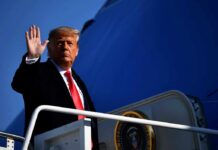
President Trump downplayed the string of failures, saying “things like that happen” at large organizations. Lawmakers, including Homeland Security Secretary Markwayne Mullin, have called the outages unrelated technical problems rather than an attack. Whether or not they are connected, the episode is a reminder that the systems running air travel, banking, and national security still rest on infrastructure that can buckle under pressure.
Sources:
apnews.com, nextgov.com, implicator.ai, ynetnews.com, inquirer.com, laist.com, abcnews.com, yahoo.com, edition.cnn.com