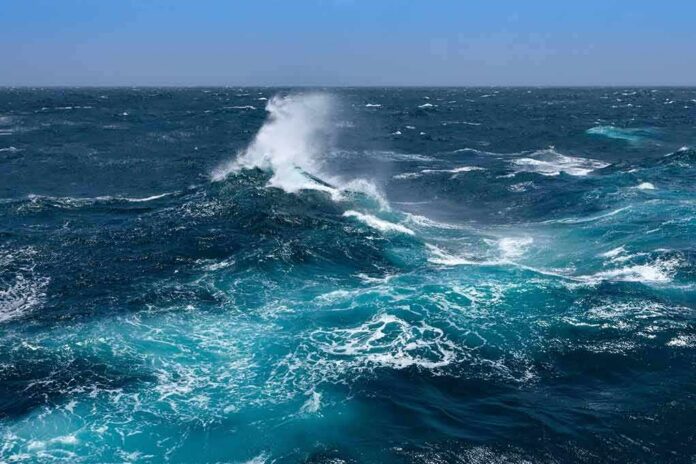
Ocean water pushed past a protective sand wall and into the streets of Seal Beach, California, after the National Weather Service warned that coastal flooding was already inundating homes and businesses along the Orange County shoreline.
Story Snapshot
- City officials in Seal Beach warned residents in November that king tides and winter storms could flood low-lying homes, erode beaches, and damage infrastructure.
- Video and local reporting showed surf overwhelming the city’s seasonal sand berm, a barrier meant to shield beachfront homes.
- The city’s own vulnerability study says the protective dike has been overtopped or flanked by big waves before, flooding land behind it.
- Exact dollar damage and the number of homes hit have not been documented in official records released so far.
Federal Warning Flags Flooding Along The Coast
The National Weather Service did not mince words. Its coastal hazard message said “significant coastal flooding” was happening and that “low lying property including homes, businesses, and some critical infrastructure will be inundated.” The agency also reported some shoreline erosion and tides running well above normal predictions. That warning covered Seal Beach directly, placing the city under a Coastal Flood Warning.
Local reporting backed up the federal warning with images from the ground. Sun Newspapers described king tides pushing water “across highways, into homes” in the area. Weeks later, Patch reported that powerful surf overwhelmed the sand berm under construction in Seal Beach, a sign the hazard had not passed.
City Leaders Had Already Sounded The Alarm
Seal Beach officials did not wait for disaster to warn residents. A city press release from November 10, updated November 14, said exceptionally high tides could raise “the risk of coastal flooding, beach erosion and impacts to low-lying areas,” especially when paired with big surf or storms. The city urged homeowners to protect their doorways and low spots with sandbags or temporary flood barriers ahead of the winter season.
Part of the city’s defense plan centers on a seasonal sand berm, built roughly 100 feet from homes along the boardwalk and standing 20 to 23 feet tall. The city rebuilds it every fall and tears it down each spring, timing driven by decades of storm experience. That the city keeps building this wall year after year shows officials already know the threat is real and recurring, not a one-time surprise.
A Documented History Of Water Breaking Through
Seal Beach’s own Sea Level Rise Vulnerability Assessment states plainly that the protective dike has been overtopped or flanked by large waves during high tides in the past, “resulting in flooding landward of the dike”. That means the city’s main defense has failed before under similar conditions, not just in theory but in its own planning documents.
Separate city hazard studies describe the same stretch of coastline as “currently exposed to coastal erosion, wave run-up and flooding during extreme events,” with inland low-lying areas named as the most at risk. Those planning papers treat the hazard as ongoing and expected to grow, not as an unusual or freak event tied to one storm.
California's biggest surf in years just breached a city's main defense.
– Forecasters called for 25–35 ft breaking surf, with occasional 40–60 ft sets, as the storm hit on Saturday, November 14
– Heavy surf and high tides breached the southerly portion of Seal Beach's protective… pic.twitter.com/Y6EB1I4AXw— TrustInsightReport (@trustinstrpt) November 16, 2026
What The Record Does Not Yet Show
Official warnings and city statements confirm the flooding risk and document erosion, berm failures, and water reaching homes and roads. What they do not yet include is a parcel-by-parcel damage count, repair cost estimates, or a list naming which specific multimillion-dollar homes were flooded. Those figures would need to come from building inspections, insurance claims, or disaster-assistance records not yet made public.
The bigger picture is one coastal towns up and down California face again and again: expensive homes built close to the water, temporary sand walls meant to hold back the ocean, and a warning system that flags the danger well before the worst tides arrive. Seal Beach’s own records admit the wall has broken through before. Whether this round left lasting damage to specific homes is the next question local officials and residents will have to answer.
Sources:
nypost.com, sealbeachca.gov, forecast.weather.gov, sunnews.org