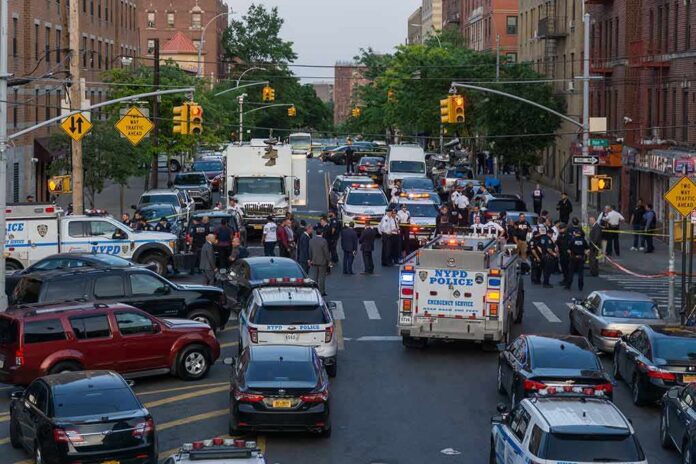
New York City disbanded a police unit that guarded high-risk targets and policed protests, and now hundreds of officers and their heavy-weapon duties are moving elsewhere inside the department.
Story Highlights
- The city dissolved the Strategic Response Group, which handled protests and counterterrorism.
- Officials said counterterrorism work will shift to the Intelligence and Counterterrorism Bureau.
- About 500–600 officers will be reassigned within the New York Police Department.
- City leaders said the move fulfills a campaign promise and separates protest response from terror threats.
What Changed And Why It Matters For Safety
Mayor Zohran Mamdani ended the New York Police Department’s Strategic Response Group in mid-November 2026. The unit was known for protest response and counterterrorism. City leaders said protesters should not face the same posture used for a terror threat. They said counterterrorism work, including heavy-weapon teams at key sites, will be housed in the Intelligence and Counterterrorism Bureau instead. That keeps capability inside the department, but changes command lines and day-to-day roles.
Critics warned the change could weaken readiness during the switch. Supporters argued it removes a “militarized” protest response while keeping terror defenses in place. The public should note two firm facts. First, the city is not firing officers. Second, officials claim heavy-weapon protection remains but under a different bureau. The open question is whether retraining, staffing gaps, or slower call-ups emerge while people, gear, and schedules move.
How Many Officers Move And Where They Go
Reports said roughly 500 to 600 officers will be reassigned. Police Commissioner Jessica Tisch said many will join the Counterterrorism Bureau, while others will shift to new or existing patrol and support roles. Headcount stays the same. That scale matters. Specialized teams take years to build. Moving hundreds at once can strain supervision, logistics, and training calendars. City Hall says the plan protects coverage of bridges, tunnels, transit hubs, and other critical sites.
The administration also announced a civilian-led Community Dialogue and De-escalation Division to engage crowds. A Patrol Support Division will keep officers on regular patrol most days and train them for crowd management when needed. A First Amendment Support Team aims to focus on protest rights. Supporters say this design lowers the chance of clashes at rallies. Skeptics worry that splitting missions across offices makes it harder to surge fast if a protest turns violent while a terror alert rises.
Why The Unit Faced Heat And The Tradeoff Leaders Chose
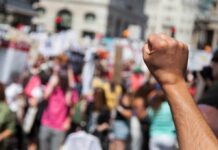
The Strategic Response Group drew lawsuits and harsh criticism after protests in recent years. Reports cited mass arrests, pepper spray, and armored police lines. Mamdani ran on changing that approach. He said the city would separate protest response from terrorism and deliver on that promise after the election. That framing answers civil liberties concerns. But it moves the debate to operations: will the new setup match the old unit’s speed and cohesion when seconds count?
Officials and residents who fear rising threats will watch early measures. Key tests include how fast heavy-weapon teams reach a site, how often patrol units train with counterterror leaders, and whether command posts share the same playbook. Independent audits that track mobilization times, staffing, and coverage could build trust across the aisle. New Yorkers want both things at once: firm protection against terror and calm, rights-respecting policing at protests.
What To Watch Next In The Transition
City Hall said the change preserves counterterrorism strength while fixing protest tactics. The next months will show if that claim holds up. Practical signs include updated rosters inside the Intelligence and Counterterrorism Bureau, scheduled joint drills, and clear alerts for patrol officers who backstop big events. If the city publishes exercise results and readiness reports, it could ease fears on safety and reassure protesters about de-escalation rules.
Sources:
redstate.com, nbcnews.com, cnn.com, reuters.com, abc7ny.com, edition.cnn.com