
Bedbugs forced Qantas to cancel a long-haul international flight, leaving passengers stranded in Rome and the airline apologizing for the mess.
Quick Take
- Qantas canceled its October 10 Rome-to-Perth flight, QF6, after passengers reported bedbug bites.
- The bites happened on the nearly 17-hour inbound flight, QF5, from Perth to Rome on October 9.
- The Boeing 787 Dreamliner was pulled from service for a deep clean of economy seats.
- Qantas says all affected passengers got hotel rooms and new flights within 48 hours.
- The airline has not confirmed the exact cause, and an investigation is still underway.
Bites Reported On Overnight Flight To Rome
Passengers flying Qantas flight QF5 from Perth to Rome on October 9 said they were bitten during the trip, which lasts nearly 17 hours. Some travelers reported waking up to screaming and seeing bugs near their seats. The flight landed in Rome as planned, but the aircraft, a Boeing 787 Dreamliner, would not fly again right away.
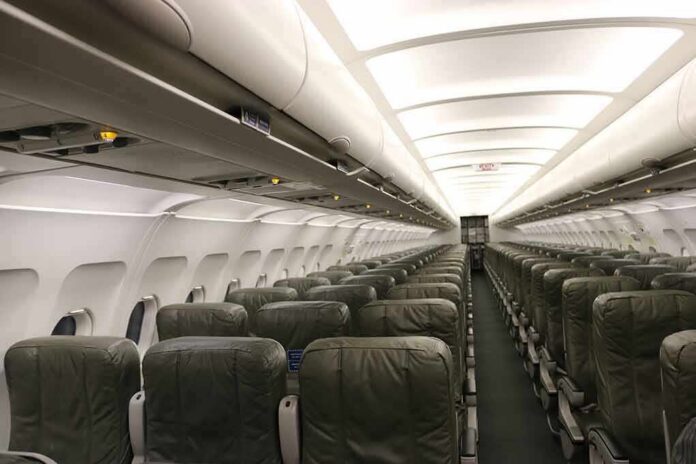
The next day, Qantas canceled the return flight, QF6, which was set to carry passengers from Rome back to Perth on October 10. The airline pulled the same Dreamliner out of service. Qantas said engineers and maintenance teams found “an issue identified on a small number of economy seats” and decided the plane needed a deep clean before flying again.
Qantas Apologizes And Explains Its Response
A Qantas spokesperson said, “We sincerely apologise to customers for the cancellation of Saturday’s Rome to Perth service.” The airline did not use the word “bedbugs” in its public statement, instead calling it an “issue” in economy seating. Passenger accounts and media reports, not the airline’s own wording, identified the pests as bedbugs.
Qantas said every passenger affected by the canceled return flight received hotel accommodation while they waited. The airline rebooked all of them onto alternative flights within 48 hours of their original departure time. The airline has not released passenger counts, medical reports, or compensation details tied to the incident.
Investigation Into Cause Continues
The Australian Broadcasting Corporation reported that Qantas is still investigating what caused the problem. The airline has not said whether the insects came from a passenger’s luggage, had been on the plane for a while, or arrived some other way. No pest-control report, specimen identification, or post-cleaning inspection has been made public so far.
Bedbug expert Stephen Doggett told Australian Broadcasting Corporation News Radio that bedbug incidents on flights are well documented, though uncommon given how many people fly every day. He pointed to a 2017 case when British Airways apologized to a family who said they were bitten on a flight from Vancouver to London. Travelers often pick up bedbugs in hotels, then carry them unknowingly onto planes.
Qantas flight bedbug infestation forces cancellation of Rome to Perth journeyhttps://t.co/Zv7Dfkt7c9
— Leila Rose (@itsleilarose) October 17, 2026
That pattern matters here because it shows aircraft are not the only, or even the most likely, source of an infestation. Bedbugs are known for hitching rides in luggage, clothing, and furniture. Their presence on one plane does not necessarily mean Qantas’s broader fleet has a pest problem, even though the airline grounded this particular Dreamliner as a precaution.
What The Episode Shows Travelers
This incident highlights a real tension in how travel problems get reported. Passenger accounts of bites and screaming are vivid and spread fast online, while airline statements tend to use careful, limited language like “issue” instead of directly naming the pest. That gap between emotional firsthand stories and cautious corporate wording can shape public perception before all the facts come out.
For now, the known facts are straightforward. Passengers reported bites on a long flight to Rome. Qantas pulled the plane, canceled the return leg, apologized, and rebooked travelers within two days. The precise cause and scope of the problem remain under review, and Qantas has not yet published findings beyond its initial statement.
Sources:
foxnews.com, nine.com.au, bbc.co.uk