Lake Tahoe leaders put up a $147,000 reward to catch whoever is poisoning community trees at a popular beach, turning local anger into cash for answers.
Story Snapshot
- Officials and residents offered $147,000 for tips that lead to arrest and prosecution.
- The fund includes $25,000 from the local district and $122,000 from a community group.
- Deputies say the case involves intentional tree poisoning at Burnt Cedar Beach.
- Tipsters are asked to cite Washoe County case number 26-4225 when calling.
Reward Announced for Burnt Cedar Beach Poisoning Case
Washoe County leaders in Incline Village announced a combined $147,000 reward for information that leads to an arrest and successful prosecution in an ongoing tree poisoning case at Burnt Cedar Beach. The Incline Village General Improvement District pledged $25,000, while the Friends of Burnt Cedar Beach added $122,000 to the fund. Deputies linked the offer to an active investigation. They asked anyone with information to come forward to help identify who targeted the beach’s trees and how.
Deputies described the damage as intentional. Investigators reported a strong chemical odor near tree bases and found signs of substance poured around roots or placed into drilled holes. The case has a formal reference number, 26-4225, which officials ask callers to use when providing tips. Reporters covering the case note that the alleged poison has not yet been named publicly. Authorities say testing is underway, and crews are working to save affected trees where possible.
Pattern of Incidents and Scope of Harm
Local reporting ties this case to a wider pattern over several years. Stories cite six poisoned trees in 2022, six in 2024, and at least 16 in the latest wave, for totals that some outlets round to “nearly 30”. One outlet reports 28 total trees affected on the beach. The count varies by source, which reflects reporting differences, but the through line is clear: more than a dozen mature trees have been harmed, and the trend has repeated over time.
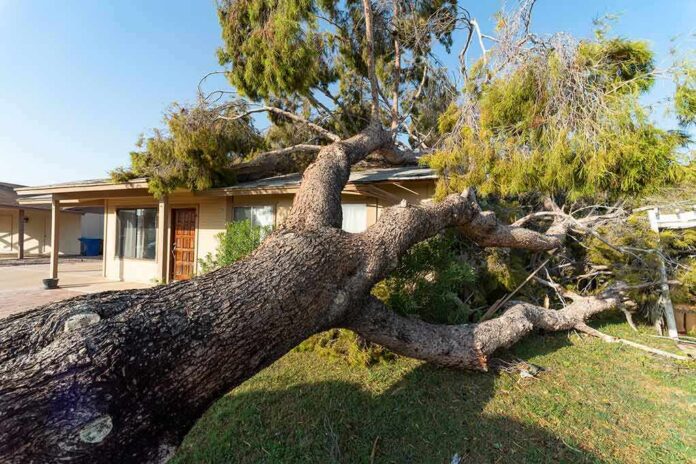
Officials stress that these trees are part of a shared public space that families and visitors rely on. Beach trees offer shade, stabilize soil, and protect views. When someone drills holes and pours chemicals, the damage is often hidden at first and hard to undo. Arborists say some trees can recover with fast care, but others die slowly from root and trunk injury. Replacement takes years, costs real money, and cannot fully restore a mature canopy’s benefits.
How to Share Tips and Why Rewards Are Used
Investigators asked residents and visitors to contact the Washoe County Sheriff’s Office and to reference case number 26-4225 when calling with leads. Reports also point to an anonymous tip line used in the region for crime information, which can help people share what they know without fear of backlash. Officials say the reward will go to information that leads to both an arrest and a successful prosecution, which sets a high bar and aims to draw useful, verifiable tips.
Communities often offer rewards in cases like this because the crime is quiet and hard to witness. Research on tip rewards shows that money can motivate people who might otherwise stay silent, especially when crimes lack clear video or easy forensics. In vandalism against public trees, cities and districts use rewards to signal urgency, to protect shared assets, and to nudge someone with key details to come forward. The result can turn a dead end into a workable lead.
What This Says About Public Stewardship
This case highlights a simple point that cuts across politics: when public property is harmed, ordinary people pay the price. Residents from different backgrounds share the same beach, the same shade, and the same bill for repairs. The large community-backed reward shows that locals do not want to wait on slow fixes. They want accountability and clear rules that protect common goods, not special favors for the few or shoulder shrugs after the fact.
Lake Tahoe officials offer $147,000 reward to catch a serial tree poisoner pic.twitter.com/a42MjXhOhl
— KUSI News (@KUSINews) September 21, 2026
Authorities have not named a suspect, identified a motive, or released the exact chemical used, and testing continues. That is typical early in environmental crime cases, where cause and method can take time to confirm. For now, the message is direct: if you saw drilling, chemical containers, late-night digging, or unusual activity around tree bases at Burnt Cedar Beach, call it in and cite case 26-4225. One solid tip could save what is left and help rebuild what was lost.
Sources:
sacbee.com, kioncentralcoast.com, fox40.com, rgj.com, hoodline.com, ground.news