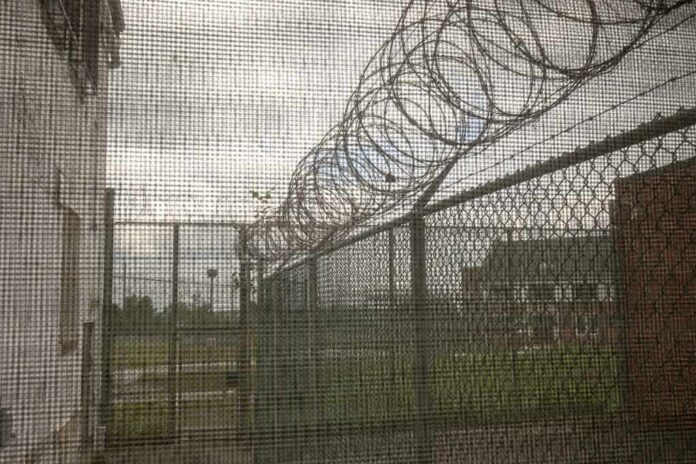
California won a court order halting a new federal immigration facility, sharpening a state-versus-Washington clash that could shape how far states can police federal agents.
Story Snapshot
- A federal judge granted a preliminary injunction stopping work on an Immigration and Customs Enforcement site near Gilroy.
- California says federal officials skipped required reviews and consultations; federal lawyers say it is only a short-term processing site.
- Recent court rulings have blocked California laws targeting how federal immigration agents operate, citing the Supremacy Clause.
- Both parties claim they are protecting public safety, but the fight reflects deeper worries about power, transparency, and trust.
What the Judge Did and Why It Matters
California Attorney General Rob Bonta and Santa Clara County won a preliminary injunction that blocks construction of an Immigration and Customs Enforcement site in unincorporated Santa Clara County near Gilroy. The state argues the federal government moved ahead without needed environmental review or proper consultation. The judge’s order is early relief in a larger case. It does not decide final legality but stops work while the claims are heard on the merits.
The lawsuit, filed in federal court, says the project violates federal environmental law and other statutes that guide cooperation between levels of government. State filings say the proposed site would affect local residents and land use, which requires process and review. The Attorney General’s office framed the case as enforcing rules that apply to all builders, even when the builder is the federal government acting through a lease and contractors.
How the Federal Government Responded
Federal lawyers countered that the Gilroy location is a holding and processing site, not a detention center. They said it would process up to ten people for no more than twelve hours, which reduces the burden on local jails and speeds transfers. They also noted added staffing needs, saying more space follows more officers. That view stresses logistics and officer safety over local zoning or longer reviews that could slow operations.
Immigration and Customs Enforcement earlier agreed to briefly pause construction as court schedules took shape. That pause aligned with discussions between the state and federal sides on next steps, but it did not settle the core dispute. The preliminary injunction now extends the halt under court order, raising the stakes for both sides as they prepare for a fuller hearing and possible appeals.
The Larger Legal Terrain: Supremacy and State Limits
This fight sits inside a larger legal pattern. Courts have often blocked California measures that directly control how federal immigration officers do their jobs. In April, a federal appeals court upheld an injunction against a state rule that required agents to show visible identification, saying it likely conflicted with the Constitution’s Supremacy Clause. That clause prevents states from regulating federal operations, even if the state says it seeks only transparency.
Earlier, the United States Department of Justice sued California when it passed laws that the government said restricted or burdened federal immigration enforcement. The department argued those laws were preempted by federal law and targeted the federal government itself. That legal position, built on intergovernmental immunity, continues to shape how courts weigh new state rules that touch federal agents or detention contracts.
What Both Sides Are Really Arguing About
California leaders say they are protecting communities through due process, environmental review, and worker and public safety rules. They see the Gilroy case as simple accountability: follow the same laws every other builder must follow. Community voices also argue they were left out of key decisions, which feeds distrust of distant agencies making local choices that affect families and farms.
Federal officials say California is trying to choke federal capacity by using state laws as a lever. They argue these moves endanger officers, delay operations, and conflict with national policy set by elected leaders in Washington. Recent rulings suggest courts will not allow states to micromanage federal officers. But the injunction shows states can still slow projects by pressing procedural claims that do not squarely regulate how agents act on the street.
Why This Resonates Beyond Immigration
People on the right and left worry that the system serves insiders first. This clash taps that fear. Locals want a say in federal projects that touch their towns. Taxpayers want laws applied fairly, with clear lines of authority. The court’s early order tests whether process can check power without paralyzing it. The outcome will signal how far a state may go to demand transparency from federal agents without crossing into control.
Sources:
townhall.com, oag.ca.gov, pbs.org, politico.com, washingtonexaminer.com, abcnews.com, hotair.com