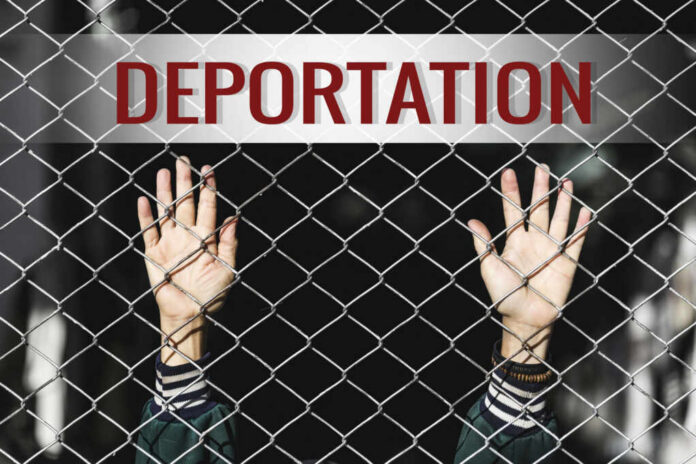
Federal agents deported a man Minnesota pardoned for child sex abuse, exposing a clash between state mercy and federal power that neither side fully explains.
Story Snapshot
- Minnesota’s pardon board granted Tou Lue Vang a unanimous pardon on June 10, 2026.
- The victim, now an adult, supported the pardon in a letter, according to news reports.
- Federal officials said a state pardon does not erase a conviction for immigration purposes.
- Immigration authorities deported Vang about a month after the pardon, despite the state action.
What Minnesota Did And Why It Matters
The Minnesota Board of Pardons voted unanimously on June 10 to pardon Tou Lue Vang after what officials called an exhaustive process. Reports say the victim, who is the sister of Vang’s wife, sent a letter backing the pardon. State officials argued the pardon removed the convictions that made him deportable under state clemency law. The vote included Governor Tim Walz as a board member and followed Minnesota’s standard clemency steps.
Federal immigration law sets its own rules. Immigration and Customs Enforcement stated that only courts can remove a conviction for immigration purposes. The agency said a pardon can restore rights but does not erase the conviction that triggers deportation. The United States Code lists limited cases where a “full and unconditional” pardon can block removal, but those exceptions do not cover many serious offenses involving children. That tension set up a direct conflict.
Why The Deportation Went Forward
The Department of Homeland Security said Vang lost his legal status when he was convicted and faced a final deportation order. Federal authorities then carried out the order about a month after the state pardon. Immigration and Customs Enforcement restated the policy line that a state pardon does not undo a conviction for federal immigration enforcement. No court order has been cited that vacated the conviction, which would be needed to change the federal outcome.
News outlets reported that senior federal officials condemned the pardon and framed the deportation as necessary for public safety. Coverage noted sharp criticism of Governor Walz from national Republican figures, making the case a flash point in the larger fight over immigration and crime. The quick removal after the pardon signaled how fast the federal system can act once a final order is in place.
The Law’s Gray Areas And What Comes Next
Title 8 of the United States Code says certain pardons can block removal, but the scope is narrow and technical. Legal scholars have shown that since the 1990s, Congress reduced the effect of state pardons on deportation, especially for serious crimes involving minors. Immigration and Customs Enforcement’s stance matches that history, stressing that administrative clemency is not the same as a judicial vacatur. That leaves families and communities confused when state mercy meets federal muscle.
Tim Walz voted to pardon a convicted child rapist one week before his scheduled deportation.
Acting DHS Assistant Secretary Lauren Bis said, “Tim Walz pardoned this sex criminal in an attempt to allow him to remain in our country.
The attacks started when the child was only 10… pic.twitter.com/J2SOxpUTMd
— Josh Guillory (@JoshGuilloryUSA) July 12, 2026
Two missing pieces limit public trust. First, Minnesota’s board has not released detailed legal analysis showing how its pardon would affect federal removal. Second, no court ruling has addressed whether this specific pardon met any federal exception. Without those records, many see a system where power, not clarity, wins. People on the left and right share the worry: leaders talk about justice, but agencies and politics still call the shots.
Sources:
zerohedge.com, fox9.com, facebook.com, x.com, instagram.com, startribune.com, northernnewsnow.com, nyulawreview.org