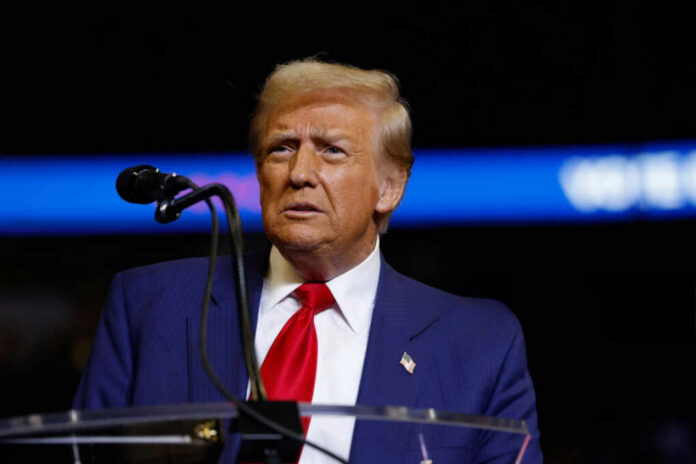
Democrat Senator Tim Kaine’s push for a Senate vote on war powers threatens to handcuff President Trump’s decisive action against Iran’s nuclear terror threat, risking American lives and security.
Story Snapshot
- Sen. Tim Kaine (D-VA) forces Senate vote this week to restrict Trump’s military operations in Iran under Operation Epic Fury.
- Trump warns operations against Iran’s nuclear sites could last weeks to neutralize existential threats.
- U.S.-Israeli strikes over weekend resulted in first American casualties, heightening urgency.
- Bipartisan House effort by Reps. Ro Khanna (D) and Thomas Massie (R) mirrors Senate push.
- GOP-led Congress likely blocks resolution, upholding presidential authority against terrorism.
Operation Epic Fury Targets Iran’s Nuclear Ambitions
U.S. and Israeli forces launched strikes on Iran’s nuclear facilities and leadership over the weekend prior to March 3, 2026, initiating Operation Epic Fury. President Trump described the region as engulfed in war and warned the operation could extend up to four weeks. The attacks responded to Iran’s missiles and drones shielding nuclear ambitions, labeled an existential threat by the administration. Defense Secretary Pete Hegseth confirmed strikes eliminated key Iran leadership. This preemptive action prioritizes American security over bureaucratic delays.
Kaine’s Resolution Invokes 1973 War Powers Act
Sen. Tim Kaine introduced a resolution enforcing the 1973 War Powers Resolution, requiring congressional approval for sustained hostilities beyond 60 days. The measure demands Trump notify Congress within 48 hours and limit forces without authorization. Kaine cited Trump’s prior uses of force without approval in Iran, Venezuela, and elsewhere. Parallel House resolution by Reps. Ro Khanna and Thomas Massie seeks similar restrictions. Democrats like Chuck Schumer and Hakeem Jeffries urge votes to reassert Congress’s war declaration role, amid reported U.S. casualties.
Bipartisan Divide Highlights Constitutional Tensions
Supporters of the strikes, including Sens. Ted Cruz, Josh Hawley, and Democrat John Fetterman, oppose the resolution as an empty gesture undermining necessary action against the world’s leading state sponsor of terrorism. Fetterman called strikes precise and successful. Resolution backers like Sens. Mark Kelly, Rand Paul, and Mark Warner warn of escalation risks and lack of congressional input. GOP control of Congress positions the vote for likely failure, preserving executive flexibility in crises. Admin briefings by CIA Director John Ratcliffe, Hegseth, and Secretary of State Marco Rubio aim to inform lawmakers Tuesday.
Precedents show presidents across parties, from Reagan to Biden, bypassed Congress for limited strikes. A prior June 2026 Senate vote after Iran nuclear strikes failed, similar to a Venezuela resolution that pressured hearings despite defeat. These efforts test War Powers enforcement amid real casualties, unlike hypothetical past cases. Trump’s team frames operations as essential until objectives met, with nothing off limits against Iran’s threats.
Implications for U.S. Security and Politics
Short-term, failed votes may prompt admin briefings but won’t halt operations, echoing Venezuela outcomes. Long-term, unchecked resolutions risk wider war if they constrain responses to terrorism. U.S. troops face immediate risks, with casualties already reported. Political divides sharpen, with GOP rallying behind Trump and Democrats criticizing as war of choice. Economic pressures from prolonged conflict loom via oil markets and spending. Bipartisan critics emphasize constitutional limits, but supporters prioritize defeating Iran’s nuclear shield.
Sources:
Kaine to force Senate vote on Iran war, which Trump warns could last ‘weeks’
Congress gears up for vote on Trump’s war powers in Iran
Congress war powers votes Iran strikes
House Senate set to vote on war powers resolutions halting military action in Iran