Republicans finally have the Senate to secure elections—yet internal hesitation on a talking filibuster could hand Democrats an easy procedural escape hatch.
Quick Take
- Sen. Mike Lee is urging Republicans to force a traditional “talking filibuster” showdown over the SAVE Act, putting Democrats on the record.
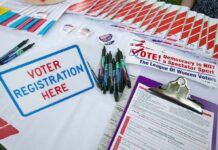
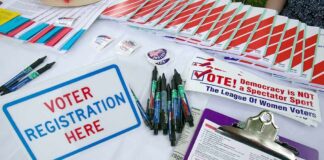
- The SAVE Act would require documentary proof of U.S. citizenship for federal voter registration and pushes nationwide voter ID standards.
- Senate Majority Leader John Thune has acknowledged Republicans are not unified on changing filibuster tactics, exposing a GOP divide.
- Democrats, led by Sen. Chuck Schumer, have vowed to block the bill and argue it would restrict access for some voters.
Lee’s Challenge: If You’re Going to Block It, Do It in Public
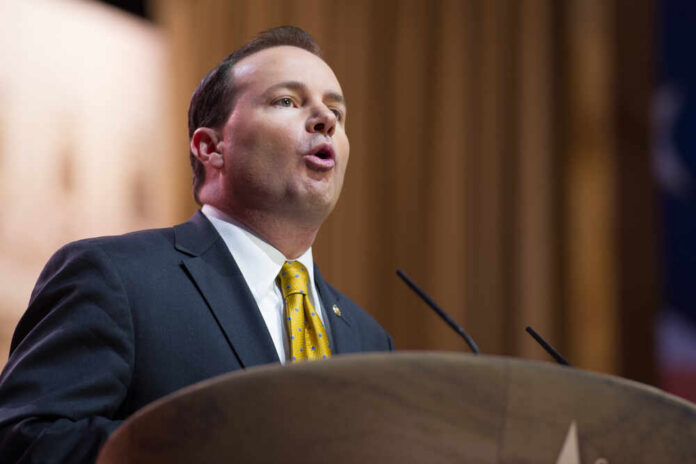
Sen. Mike Lee has moved the SAVE Act fight from policy into process by daring Democrats to use a real talking filibuster instead of the modern, low-effort version that can stall bills without hours of public debate. Lee’s argument is simple: if Democrats believe blocking proof-of-citizenship rules is worth it, they should physically hold the floor and explain it to the country—line by line, hour by hour.
Lee’s comments followed his public push for a floor confrontation where senators “show up” and “speak” if they intend to obstruct. That framing is designed to make the filibuster less of a paperwork trick and more of a high-visibility accountability test. The underlying political bet is that election integrity polls well, while procedural obstruction often looks like Washington insider games—especially to voters who want a clean, enforceable citizenship standard for federal registration.
What the SAVE Act Does—and Why the Fight Is So Intense
The Safeguarding American Voter Eligibility (SAVE) Act is built around one central requirement: documentary proof of U.S. citizenship for federal voter registration, with advocates commonly citing documents such as passports or birth certificates. Supporters also connect the bill to broader voter ID expectations, arguing the system should make lawful voting straightforward while preventing illegal registration. Critics, including Senate Democrats, label it voter suppression and argue it would hit vulnerable populations hardest.
The bill’s momentum has been fueled by prominent conservative backing, including President Donald Trump, and by outside advocacy that has kept the issue in the public eye. House Republicans have prepared to move the legislation and send it to the Senate, setting up a predictable collision with the chamber’s 60-vote cloture hurdle. The central question is no longer just “Will Democrats oppose it?” but “How far will Republicans go to force a vote?”
Thune’s Unity Problem: A Senate Majority Isn’t Automatic Leverage
Senate Majority Leader John Thune’s challenge is that the GOP may control the chamber but still lacks automatic agreement on tactics. Reporting indicates Thune has acknowledged Republicans are “not unified” on the talking-filibuster approach, and that matters because procedural moves can reshape Senate norms long after one bill is gone. Some Republicans support the bill but fear that weakening filibuster barriers today could empower Democrats to do the same later for priorities conservatives oppose.
That disagreement is where Lee’s frustration with “RINOs” comes in: hard-liners want a confrontation that forces either passage or a very public Democratic blockade. Moderates, by contrast, may prefer to keep the filibuster’s protective structure intact even when it is inconvenient. The research also notes Sen. Susan Collins supports voter ID but opposes scrapping the filibuster, underscoring that support for election security does not automatically translate into support for procedural escalation.
Democrats’ Strategy: Call It Suppression, Then Use the Filibuster
Senate Minority Leader Chuck Schumer has signaled Democrats will fight the SAVE Act “tooth and nail,” describing it as outrageous and framing it as a suppression effort. That messaging pairs with a familiar Senate playbook: if you cannot beat a bill on the merits in a floor vote, deny it the 60 votes needed to advance. The talking-filibuster dare aims to disrupt that playbook by making obstruction time-consuming and publicly visible.
At the same time, the available reporting does not quantify claims about the scale of noncitizen voting, which means the public debate often becomes less about hard numbers and more about standards and enforcement. Conservatives generally view citizenship verification as a basic safeguard; Democrats frame it as a barrier. Without widely cited data in the provided sources, the immediate, verifiable fact is procedural: Democrats intend to block, and Republicans are debating whether to force an old-school filibuster spectacle.
Why This Process Fight Could Reshape Future Legislation
The short-term outcome could be politically clarifying: a talking filibuster would put faces and voices to obstruction and could help Republicans argue they are fighting for secure elections in a transparent way. The long-term stakes are bigger. The research highlights that changing filibuster practices can accelerate a broader erosion of the 60-vote rule, turning the Senate closer to simple majority lawmaking—a shift that can swing sharply when party control changes.
Politico’s reporting frames this as a potential turning point, with both parties having contributed over decades to weakening the filibuster’s original character. For constitutional-minded conservatives, the tension is real: election integrity is foundational, but so is limiting Washington’s ability to ram through sweeping federal mandates. The SAVE Act showdown is therefore becoming a test not only of voter eligibility standards, but of whether Republicans can stay unified while wielding Senate power responsibly.
Sources:
Senate filibuster GOP SAVE Act
Sen. Lee dares Democrats revive