A new policy threatens Second Amendment rights, sparking outrage among patriots.
Story Highlights
- Iran faces escalating domestic unrest with 16 reported deaths.
- President Trump threatens military action if protesters are harmed.
- Ayatollah Khamenei suppresses protests, labeling demonstrators as “rioters”.
- U.S. military credibility shifts post-2025 actions, affecting Iranian perceptions.
Escalating Tensions in Iran
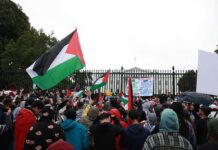
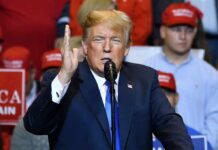
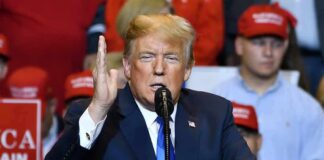
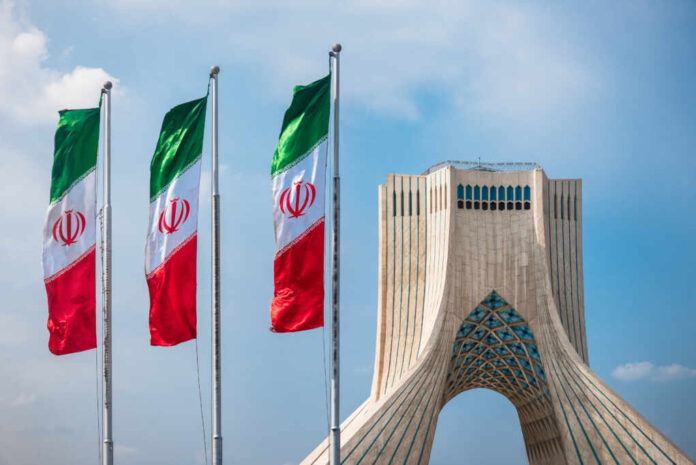
Nationwide protests have erupted in Iran, with at least 16 fatalities reported as violence continues. The unrest poses a significant challenge to the Iranian regime, as Supreme Leader Ayatollah Ali Khamenei orders a crackdown on what he calls “rioters”. This domestic turmoil coincides with external threats from U.S. President Donald Trump, who has warned that Iran will be “hit very hard” if more protesters are harmed.
Trump’s threats come after his administration’s recent military actions, including strikes on Iranian nuclear facilities in 2025 and the capture of Venezuelan President Nicolás Maduro in early 2026. These actions have recalibrated how the Iranian leadership perceives U.S. threats, marking a departure from the “TACO” narrative that dismissed Trump’s rhetoric as mere bluster.
The Iranian Leadership’s Strategic Dilemma
Khamenei faces a precarious situation. The Supreme Leader must balance maintaining regime stability with avoiding provocation of U.S. military intervention. His response to the protests reflects a calculated approach to suppress dissent while considering the potential consequences of escalating tensions with the U.S. Meanwhile, the Iranian government has announced a temporary financial relief plan, offering $7 monthly allowances to citizens in an attempt to quell economic grievances fueling the protests.
The Iranian protesters, demanding accountability and change, have organized nationwide strikes, urging citizens to “shut the country down”. This internal pressure adds another layer of complexity to Khamenei’s strategy as he navigates both domestic unrest and international threats.
International Reactions and Implications
International actors, including the European Union, have called for restraint and dialogue, urging the Iranian government to avoid further violence. However, the combination of U.S. military threats and international diplomatic pressure places Tehran in a position of increasing isolation.
🇮🇷 Iran: Day 6 of nationwide anti-regime protests. Sparked by economic collapse, rial at record lows (1.4M to USD), 40%+ inflation, unrest has spread from Tehran bazaars to provinces like Lorestan & Hamadan. At least 6-7 killed in clashes as protesters chant "Death to dictator". pic.twitter.com/293SsjVw5V
— Indo Affairs (@indoaffair) January 2, 2026
President Trump has reiterated his stance, emphasizing that the U.S. is closely monitoring the situation in Iran. His administration’s recent actions have established a pattern that suggests a willingness to follow through on military threats, fundamentally altering the credibility calculus for Iranian leadership.
Sources:
Times of Israel
Jerusalem Post
Iran International