Saudi Arabia’s sharp condemnation of Iranian missile strikes on its soil signals a pivotal shift in Middle East alliances as President Trump and Israel execute their most devastating blow yet against the radical Iranian regime.
Story Snapshot
- Saudi Arabia publicly condemned Iranian missile attacks on Riyadh and the Eastern Province as “blatant and cowardly” aggression following coordinated U.S.-Israeli strikes on Iran
- President Trump launched Operation Epic Fury alongside Israel’s Operation Roaring Lion on February 28, 2026, targeting Iranian nuclear sites, missile facilities, and regime leadership in a sustained campaign for regime change
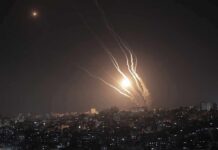
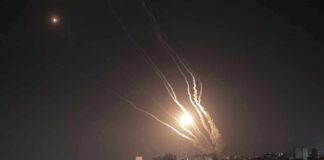
- Iran retaliated by firing ballistic missiles at Israel, U.S. military bases, and Gulf nations including Saudi Arabia, violating Arab sovereignty and exposing the theocracy’s regional menace
- The strikes represent a turning point in the 47-year conflict with Iran, with experts noting the operation’s open-ended timeline signals America’s renewed commitment to Middle East security under Trump’s leadership
Trump and Netanyahu Launch Historic Anti-Iran Campaign
President Trump authorized Operation Epic Fury on February 28, 2026, deploying the USS Abraham Lincoln and USS Gerald R. Ford carrier groups to unleash coordinated strikes with Israel against Iranian regime targets. The campaign targeted Tehran, Isfahan, Qom, Karaj, and Kermanshah, focusing on nuclear facilities, missile infrastructure, radar installations, and regime leadership compounds. Trump declared the objective clear: destroy Iran’s capabilities, topple the murderous ayatollah regime, and offer Iranian Revolutionary Guard Corps members immunity if they surrender, signaling this administration’s rejection of the weak appeasement policies that empowered Tehran for decades.
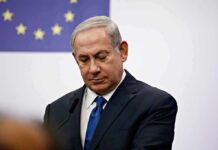
Israeli Prime Minister Benjamin Netanyahu coordinated the strikes during his Washington visit with Trump around February 14, 2026, planning what defense officials described as tactical surprise operations. Israel’s Operation Roaring Lion struck simultaneously, with Defense Minister Israel Katz calling the preemptive action necessary to eliminate the existential threat Iran poses to the Jewish state. The assault heavily damaged Supreme Leader Ali Khamenei’s compound, reportedly cutting him off from command, and killed Ali Shamkhani, a senior regime figure. Netanyahu framed the campaign as ending 47 years of Iranian terror, a stark contrast to the previous administration’s feckless nuclear deal negotiations.
Iranian Retaliation Exposes Regime’s Regional Aggression
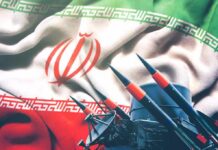
Iran responded to the strikes by launching ballistic missiles at Israel, U.S. military installations across Jordan, Syria, Kuwait, Bahrain, and Qatar, and critically, at Gulf Arab states including Saudi Arabia’s Riyadh and Eastern Province. This reckless escalation violated the sovereignty of nations that had closed their airspace to avoid involvement, exposing Iran’s true character as a destabilizing force targeting innocent Arab populations. The regime’s Iranian-backed Houthi proxies resumed attacks on Red Sea shipping lanes, threatening global oil routes and demonstrating the interconnected web of terror Tehran finances with billions freed up by Obama-Biden era sanctions relief.
Saudi Arabia’s Foreign Ministry issued a forceful statement condemning these Iranian strikes as “brutal aggression” against Arab nations, marking a significant rhetorical alignment with U.S. and Israeli interests. While the Kingdom stopped short of formal military participation in the strikes, this public rebuke represents a diplomatic earthquake in the region. Gulf states intercepted many incoming Iranian missiles, but the attacks strained defensive systems and exposed the vulnerability of energy infrastructure. The Iranian regime’s willingness to target civilian centers in Riyadh underscores why Trump’s maximum pressure approach represents the only viable path to regional stability and protecting American energy security interests.
Regional Realignment Against Iranian Threat Accelerates
The coordinated U.S.-Israeli campaign builds on the Abraham Accords framework Trump established during his first term, which aligned UAE, Bahrain, and other Gulf nations with Israel against shared Iranian threats. Saudi Arabia previously resisted full normalization with Israel, drawing criticism from Trump administration officials who recognized the Kingdom’s hedging undermined regional security architecture. Iran’s direct attacks on Saudi soil may force Riyadh’s hand, as the regime’s aggression makes clear that neutrality offers no protection from Tehran’s expansionist ambitions and support for terrorist proxies like Hamas, Hezbollah, and the Houthis.
Trump began escalating pressure on Iran immediately upon returning to office in January 2026, deploying naval armadas and publicly supporting Iranian protesters seeking to overthrow the theocratic dictatorship. By February 13, Trump explicitly advocated regime change, preparing sustained military operations beyond limited punitive strikes that characterized previous administrations’ half-measures. The February 28 strikes represent the culmination of months of strategic planning, with no announced end date, signaling America’s commitment to dismantling Iran’s nuclear program and missile capabilities that threaten not just Israel but European allies and ultimately American homeland security. Experts at the Council on Foreign Relations noted this redefines the 47-year conflict, while analysts at Chatham House warned Iran’s weakened state increases regional war risks as the regime lashes out desperately.
Sources:
When U.S. Allies Turn on Each Other, America Must Act – Foundation for Defense of Democracies
Gauging the Impact of Massive U.S.-Israeli Strikes on Iran – Council on Foreign Relations
US and Israel Attack Iran: Early Analysis from Chatham House Experts – Chatham House