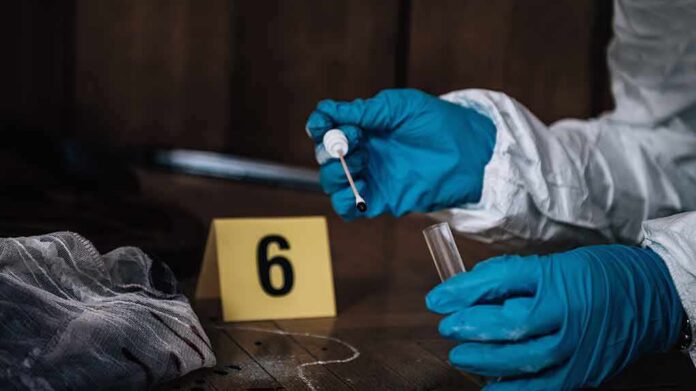
A 27-year-old woman was found beaten to death on a Brooklyn kitchen floor while a young child was nearby, police sources said.
Story Snapshot
- Police found a 27-year-old woman dead with body trauma inside a Kensington home.
- Medics pronounced her dead at the scene; a young child was reportedly nearby.
- Detectives are investigating; the Medical Examiner will confirm cause and manner of death.
- City data show many domestic homicides occur around children, heightening concern.
What Police Say Happened Inside the Brooklyn Home
New York City police officers responded around 5 a.m. to a home on Minna Street near Martense Lane in Kensington. Officers found a 27-year-old woman lying face up on the kitchen floor. Police sources said she was “unconscious and unresponsive” with trauma to her body. Emergency medical workers pronounced her dead at the scene. A young child was present or nearby, according to the same account. Detectives opened a homicide investigation and began interviewing witnesses and neighbors.
The Office of Chief Medical Examiner will determine the official cause and manner of death. That ruling often follows after a full exam and lab work. Police typically hold scene details early, while medical findings arrive later. That is common in New York City homicide cases. The early report here centers on visible injuries and the location of the victim inside the home. Investigators did not announce arrests or name a suspect at the time of the initial report.
Why the Child Detail Raises Red Flags for the City
City fatality review reports show that domestic violence homicides often unfold near children. The New York City Domestic Violence Fatality Review Committee has reported that about one-fifth of domestic violence homicides involve a child age ten or younger. That share shows how often kids are pulled into deadly events at home. These cases strain families, schools, and victim services across the city, even when a child is not physically hurt.
The committee’s latest materials say the New York City Police Department supplies location and relationship data early in a case. Those facts help agencies move resources to survivors and children fast. But the exact medical findings come later and can change legal charges or public labels. That process reduces errors while the city tracks trends across neighborhoods and years. It also shows why early reports can be brief and focused on confirmed scene facts.
Safety, Trust, and a System People Feel Is Not Working
Neighbors hear sirens, see tape, and ask a simple question: who protects the child now? People on the right and left share that fear. Many think the system talks a lot but acts too slow. They see repeat calls to the same addresses and still, tragedy follows. They blame a government that feels distant and tangled in rules. This case taps that same worry: a home should be safe, yet a young life was caught near a killing.
City data offer a sober path forward. Faster linkups between police, child services, and shelters can help at-risk families. Clear follow-up after first calls can stop violence before it turns deadly. When the Medical Examiner finishes the report and detectives share more, the facts will guide charges and services. For now, the focus is on the victim, the child, and a city duty that should cross all politics: keep people safe in their own homes.
Sources:
nypost.com, abc7ny.com, nydailynews.com, gothamist.com