President Trump’s U.S. Navy blockade of the Strait of Hormuz strikes at Iran’s economic lifeline, risking skyrocketing gas prices for American families amid a fragile ceasefire.
Story Highlights
- Trump orders naval blockade starting April 13, 2026, targeting ships to Iranian ports after failed ceasefire talks in Pakistan.
- Iran closed the strait—20% of global oil flow—triggering U.S. response to restore access and cripple Tehran’s revenue.
- VP JD Vance and Jared Kushner led 21-hour marathon talks that collapsed over nukes, proxies like Hezbollah, and strait tolls.
- U.S. warships cleared mines in first post-war strait transit; CENTCOM enforces impartially against all nations’ vessels.
- Ceasefire shaky until April 22; polls show 64% of Americans disapprove of Trump’s war handling, fueling bipartisan frustration with endless conflicts.
Blockade Announcement Follows Talks Collapse
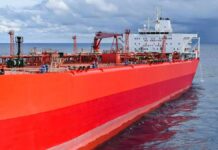
President Donald Trump announced on April 12, 2026, that the U.S. Navy will enforce a blockade on ships entering or leaving Iranian ports via the Strait of Hormuz, effective April 13 at 10 a.m. EDT. The move counters Iran’s wartime closure of the 21-mile-wide chokepoint, which carried 20% of global oil before February 28 strikes by U.S. and Israel ignited the seventh-week war. U.S. Central Command oversees impartial enforcement, allowing non-Iranian port transits. Trump cited Iran’s control as its “key leverage,” prioritizing pressure over short-term energy costs.
Failed Negotiations in Islamabad
Vice President JD Vance and Special Envoy Jared Kushner joined high-level talks in Islamabad on April 11-12, marking the most direct U.S.-Iran contact since 1979. After 21 hours, discussions collapsed over Iran’s refusal to dismantle uranium enrichment, halt proxy funding for groups like Hezbollah, or reopen the strait without tolls. Pakistan’s Foreign Minister Abbasari hosted the marathon session following their brokered two-week ceasefire around March 29. Vance called the talks “substantive” but declared the outcome “bad news for Iran much more.”
U.S. Naval Action and Ceasefire Status
On April 12, U.S. warships transited the strait for the first time since the war began, clearing Iranian mines to prepare enforcement. CENTCOM confirmed the blockade targets only Iranian port traffic from all nations, echoing 1980s Tanker War precedents but leveraging U.S. naval superiority against Iran’s asymmetric tactics. The fragile ceasefire holds until its April 22 deadline, with no new talks scheduled. Trump acknowledged potential U.S. gas price spikes yet framed the action as essential to neutralize Iran’s oil revenue and regional influence.
Public sentiment reflects deep frustration. A CBS poll shows 64% of Americans disapprove of Trump’s war handling, with 66% viewing U.S. goals as unclear. This bipartisan discontent underscores shared concerns across left and right: federal overreach in endless foreign entanglements drains resources from domestic priorities like border security and energy independence. Conservatives see Iran’s nuclear ambitions and proxies as direct threats to America First principles, while liberals decry the economic fallout hitting working families.
Economic Pressures and Broader Implications
The blockade halts Iranian oil exports, poised to spike global energy prices and reroute shipping. Short-term, oil-dependent nations face disruptions; long-term, it could force Tehran concessions or prolong conflict, reshaping Middle East dynamics. U.S. lawmakers debate supplemental funding atop the $1.5 trillion defense budget, amid Republican emphasis on nuclear threats over price hikes. For Americans weary of elite-driven wars, this escalation highlights government failure to prioritize the heartland over globalist adventures, eroding faith in leaders who favor power plays over prosperity.